Best 50 Interesting Facts About Maine: The Pine Tree State
Facts About Maine
Firstly, Maine, affectionately known as the Pine Tree State and the 23rd state of the United States, is a treasure trove of history, natural beauty, and fascinating trivia. Of course, nestled in the northeastern corner of the U.S., it boasts a unique blend of scenic landscapes and cultural richness. This article delves into interesting facts about Maine, offering a glimpse into what makes this state so special. From the rugged coast of Maine to the serene beauty of Acadia National Park, prepare to be enthralled by the many wonders of this New England gem.
Facts About Maine
The Geographic Majesty of Maine
A Coast Like No Other: The Atlantic Edge
- Miles of Coastline: Maine’s coastline stretches over an impressive length. Making it a haven for maritime activities and a key player in the Atlantic Ocean’s ecosystem.
- Acadia National Park: As one of the most visited national parks in the United States, Acadia is a testament to Maine’s natural splendor. It’s not just a park; it’s an emblem of the state’s commitment to preserving its natural beauty.
Mountains and Forests: The Backbone of Maine
- Mount Katahdin and Baxter State Park: Standing as the highest point in Maine, Mount Katahdin is not only a hiker’s paradise but also a symbol of Maine’s rugged and untamed wilderness.
- The Green Expanse: With vast tracts of forest land, Maine is home to the largest population of moose in the U.S. A fact that underlines its commitment to wildlife conservation.
The Cultural Fabric of Maine

Maine’s Culinary Pride: Lobsters and Blueberries
- Maine Lobsters: Known worldwide, Maine lobsters are a culinary delight and an economic cornerstone. Contributing significantly to the country’s lobster supply.
- Wild Blueberries: As the single largest producer of blueberries in the United States, Maine’s contribution to the country’s fruit supply is both essential and impressive.
Rich Historical Tapestry
- First European Settlements and Native American Heritage: Maine’s history is deeply intertwined with the stories of English colonists and Native American tribes. Offering a rich tapestry of cultural heritage.
The Economic Pillars of Maine
Industry and Innovation: From Timber to Technology
- Pine Trees and More: The timber industry, symbolized by the Eastern White Pine. Has played a crucial role in Maine’s economy for centuries.
- Innovation Hub: From the birthplace of poet Henry Wadsworth Longfellow to the home of author Stephen King. Maine has been a cradle of creativity and innovation.
Facts About Maine: Frequently Asked Questions
What makes Acadia National Park a must-visit destination in Maine?
Acadia National Park is a crown jewel of Maine for several compelling reasons:
- Diverse Natural Beauty: Acadia offers a stunning array of landscapes. From rocky coastlines and dense woodlands to mountain peaks and serene lakes. This diversity provides a unique outdoor experience unlike any other in the region.
- Recreational Opportunities: The park caters to a wide range of activities, including hiking, biking, bird watching, and kayaking. Cadillac Mountain, the highest point on the U.S. East Coast, offers breathtaking views, especially at sunrise.
- Rich Biodiversity: Acadia is home to a variety of flora and fauna, some of which are unique to the region. This biodiversity makes it a haven for nature enthusiasts and researchers.
- Cultural and Historical Significance: The park encapsulates the history of conservation in Maine. And reflects the early 20th-century vision of a harmonious relationship between land and people.
In essence, Acadia National Park is a microcosm of Maine’s natural beauty. And a testament to the state’s commitment to preserving its stunning landscapes.
How does Maine’s lobster industry impact the state’s economy and the country’s lobster supply?
Maine’s lobster industry is a vital component of both the state’s economy and the country’s seafood supply:
- Economic Impact: The lobster industry is one of the largest contributors to Maine’s economy. Supporting thousands of jobs, from fishing and boatbuilding to processing and tourism. The industry also stimulates related sectors such as hospitality and retail.
- Supply Contribution: Maine is the largest lobster-producing state in the United States, accounting for a significant portion of the country’s lobster supply. This dominance ensures that Maine lobsters are not only a local delicacy but also a significant part of the American seafood market.
- Cultural Significance: Beyond economics, the lobster industry is deeply embedded in Maine’s cultural identity. It represents a way of life for many coastal communities, preserving traditions and skills passed down through generations.
The lobster industry, therefore, is not just an economic pillar but also a cultural emblem. Integral to Maine’s identity and its contribution to the national seafood landscape.
What is the significance of Mount Katahdin in Maine’s geography and culture?
Mount Katahdin holds a special place in Maine’s geography and culture for several reasons:
- Geographical Landmark: As the highest mountain in Maine, Mount Katahdin is a prominent geographic feature. Visible from great distances and dominating the landscape of Northern Maine.
- Cultural Symbol: The mountain is revered in local cultures and lore. For the Penobscot Nation, it holds spiritual significance, symbolizing the profound relationship between the people and the land.
- Recreational Attraction: Katahdin is a magnet for outdoor enthusiasts, offering challenging hikes and unparalleled natural beauty. It marks the northern terminus of the Appalachian Trail, making it a significant landmark for hikers and adventurers from around the world.
- Conservation Icon: The mountain and the surrounding Baxter State Park are central to Maine’s conservation efforts. Embodying the state’s dedication to preserving its natural heritage.
Mount Katahdin is more than just a mountain; it’s a symbol of Maine’s rugged beauty, cultural richness, and commitment to environmental stewardship.
What role has Maine played in the history of New England and the United States?
Maine has played a significant and multifaceted role in the history of both New England and the United States:
- Early Settlement and Colonial History: As one of the earliest areas of European settlement in North America, Maine’s history is deeply intertwined with the colonial era. It was initially part of the Massachusetts Bay Colony and played a significant role in early American history.
- Maritime Tradition and Trade: Maine’s extensive coastline and maritime resources made it a hub for shipping and trade in New England. Contributing to the economic development of the region.
- Role in Statehood and the Missouri Compromise: Maine’s admission to the Union as the 23rd state in 1820, as part of the Missouri Compromise, was a pivotal moment in American history. It balanced the number of free and slave states, reflecting the growing tensions that eventually led to the Civil War.
- Contributions to American Culture and Society: Maine has been home to notable figures in American history. And has contributed significantly to the country’s cultural and artistic heritage.
Overall, Maine’s role in New England and the United States encompasses historical, economic, and cultural dimensions. Reflecting its importance in the broader American narrative.
How do Maine’s natural wonders, like Acadia National Park and Northern Maine, contribute to its appeal?
Maine’s natural wonders significantly enhance its appeal, attracting visitors and nature enthusiasts from around the world:
- Diverse Landscapes: The variety of landscapes, from the rocky shores of Acadia National Park to the rugged wilderness of Northern Maine, offers visitors a chance to experience nature in many forms—beaches, forests, mountains, and lakes.
- Outdoor Recreation: These natural settings provide ample opportunities for outdoor activities. Like hiking, boating, fishing, camping, and wildlife watching, appealing to a wide range of interests and skill levels.
- Conservation and Education: These areas are not only visually stunning but also serve as important sites for conservation efforts and environmental education. Showcasing Maine’s commitment to preserving natural beauty and biodiversity.
- Cultural and Artistic Inspiration: The scenic beauty of these places has inspired artists, writers, and musicians. Contributing to Maine’s rich artistic and cultural landscape.
Maine’s natural wonders are integral to its identity. Offering a combination of recreational, educational, and aesthetic value that is both unique and compelling.
What is the significance of Maine’s cultural and artistic contributions to the United States?
Maine’s cultural and artistic contributions have significantly enriched the cultural fabric of the United States:
- Literary Contributions: Maine has been the backdrop and inspiration for numerous literary works. Authors like Stephen King have set many of their stories in Maine. Capturing its unique essence and bringing its culture to a wider audience.
- Artistic Influence: Maine’s picturesque landscapes have inspired generations of artists, from painters to photographers, contributing to the American artistic tradition.
- Cultural Diversity: The state’s history, from its indigenous cultures to its maritime heritage, has fostered a diverse cultural environment. That is reflected in its arts, festivals, and traditions.
- Innovations in Music and Theater: Maine has a vibrant music and theater scene. With numerous venues, festivals, and community events that contribute to the country’s performing arts scene.
Maine’s cultural and artistic contributions are a testament to its rich heritage and creative spirit. Playing a vital role in the mosaic of American culture and arts.
What are some of Maine’s most famous culinary offerings besides lobsters?
Maine’s culinary landscape extends far beyond its famous lobsters, offering a variety of delectable treats:
- Wild Blueberries: Maine is the largest producer of wild blueberries in the United States, which are a staple in local cuisine and used in everything from pies and jams to sauces and beverages.
- Maple Syrup: The state is also known for its high-quality maple syrup, a natural sweetener that’s a key ingredient in many local dishes and desserts.
- Seafood Varieties: Beyond lobsters, Maine’s waters yield a bounty of other seafood, including clams, oysters, and mussels, which are featured prominently in local dishes.
- Whoopie Pies: This sweet treat, consisting of two cake-like cookies with a creamy filling, is a beloved Maine dessert.
- Potatoes: Maine’s Aroostook County is known for its potato farming, and the state produces a significant portion of the nation’s potatoes, featured in various local dishes.
These culinary offerings reflect Maine’s rich agricultural and maritime heritage, providing a taste of the state’s diverse and bountiful landscape.
How does Maine’s commitment to environmental conservation impact its natural beauty and wildlife?
Maine’s strong commitment to environmental conservation has profound impacts on its natural beauty and wildlife:
- Preservation of Natural Landscapes: Extensive conservation efforts have ensured the protection of Maine’s diverse ecosystems, from coastal areas and wetlands to forests and mountains, maintaining their natural beauty.
- Wildlife Protection: Conservation initiatives have helped protect a wide range of wildlife species, including those that are endangered or native to the region. This has allowed for the thriving of species like the moose, Maine Coon cat, and various bird species.
- Sustainable Practices: Emphasizing sustainable practices in industries like forestry and fishing has balanced economic needs with ecological concerns, ensuring the health of Maine’s natural resources.
- Education and Awareness: Conservation efforts also focus on educating the public and fostering a deeper appreciation for the environment, which is crucial for long-term preservation.
Maine’s commitment to environmental conservation is integral to preserving its unique natural heritage, ensuring that its stunning landscapes and rich biodiversity endure for future generations.
What historical events have shaped Maine’s identity from colonial times to the present day?
Several key historical events have played a significant role in shaping Maine’s identity:
- Colonial Settlements: Early English and French settlements in Maine during the colonial period set the stage for its cultural and historical development.
- Role in the American Revolution: Maine’s participation in the American Revolution, particularly the Penobscot Expedition, was a crucial part of its early history.
- Maine’s Statehood: The state’s separation from Massachusetts and subsequent admission to the Union in 1820 as part of the Missouri Compromise was a pivotal moment in its history.
- Maritime History: Maine’s long-standing maritime tradition, including shipbuilding and fishing, has greatly influenced its economic and cultural development.
- Industrialization and the Lumber Industry: The growth of the lumber industry and industrialization in the 19th and early 20th centuries significantly impacted Maine’s economy and society.
- Tourism and Conservation Movement: The rise of tourism and the conservation movement, particularly in the 20th century, helped preserve Maine’s natural landscapes and promote its natural beauty to a wider audience.
These events reflect the complex tapestry of Maine’s history, illustrating how it has evolved from a colonial outpost to a state known for its unique blend of natural beauty, cultural richness, and historical significance.
What are some of Maine’s most significant artistic and cultural contributions?
Maine’s artistic and cultural contributions are both rich and diverse, significantly enriching the broader American cultural landscape:
- Literature: Maine has been the inspiration for many celebrated authors, including Stephen King, known for his horror and supernatural fiction, much of which is set in Maine. Additionally, the state is the birthplace of the famous poet Henry Wadsworth Longfellow.
- Visual Arts: The stunning natural beauty of Maine has attracted and inspired numerous artists, particularly landscape painters. The state’s unique light and scenery have been captured in countless artworks, contributing to American art’s development.
- Music and Performing Arts: Maine has a vibrant music and performing arts scene, with numerous festivals, theaters, and performance venues that showcase everything from traditional folk music to contemporary performances.
- Cultural Festivals: Maine hosts a variety of cultural festivals that celebrate its heritage, including those focused on its maritime history, indigenous cultures, and culinary specialties.
These contributions reflect Maine’s strong sense of identity and its ongoing influence in shaping American arts and culture.
How do Maine’s historical sites and architectural marvels reflect its rich heritage?
Maine’s historical sites and architectural marvels are tangible reflections of its rich heritage:
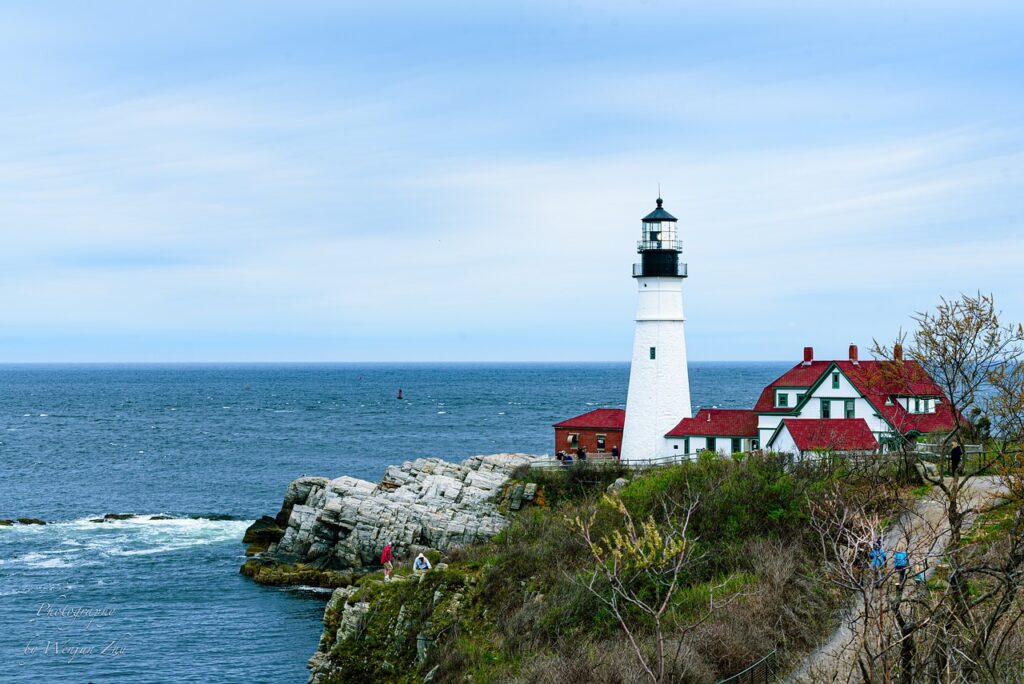
- Lighthouses: Iconic lighthouses like Portland Head Light are symbols of Maine’s maritime past and are among the state’s most recognizable architectural features.
- Colonial and Federal Architecture: Historic buildings from the colonial and federal periods, found throughout Maine, reflect its early history as part of the New England colony.
- Industrial Heritage Sites: Structures related to Maine’s shipbuilding and lumber industries provide insights into its industrial past and economic development.
- Native American Heritage Sites: Locations significant to the state’s indigenous peoples help preserve and tell the story of Maine’s earliest inhabitants and their enduring legacy.
These sites and structures offer a window into Maine’s past, showcasing the state’s evolution from a colonial territory to a modern state with a unique identity.
In what ways does Maine impact the national and global economy through its industries and trade?
Maine’s impact on both the national and global economy is significant, particularly through its key industries and trade:
- Seafood Industry: Maine is a major contributor to the U.S. seafood industry, particularly through its lobster fishing. Maine lobsters are not only a national delicacy but also a significant export, influencing global seafood markets.
- Timber and Paper Products: The state’s extensive forests have made it a major player in the timber and paper industries, contributing to both national and international markets.
- Agriculture: Beyond seafood and timber, Maine’s agricultural products, like potatoes and blueberries, are significant contributors to the national food supply.
- Tourism: Maine’s natural beauty and cultural heritage attract visitors from around the world, making tourism a significant economic driver and a contributor to the global travel industry.
- Innovation and Technology: Maine is also home to innovative companies and research institutions, contributing to fields like marine science, environmental technology, and renewable energy on a global scale.
Through these industries and its commitment to innovation, Maine plays a vital role in the economic fabric of the United States and has a growing influence on the global stage.
How does Maine’s commitment to environmental conservation shape its prospects?
Maine’s strong commitment to environmental conservation has far-reaching implications for its future prospects:
- Sustainable Development: This commitment ensures that development in Maine is sustainable, balancing economic growth with environmental preservation. It helps maintain the state’s natural resources for future generations, crucial for industries like tourism and fishing.
- Attracting Eco-Conscious Tourism: Maine’s preserved natural landscapes and commitment to conservation attract eco-conscious tourists. Boosting the economy while promoting environmental awareness.
- Innovation in Renewable Energy: Investment in renewable energy sources like wind and solar power positions Maine as a leader in sustainable energy. Potentially driving economic growth and innovation.
- Enhanced Quality of Life: The emphasis on conservation contributes to a high quality of life for residents. Offering clean air, lush landscapes, and a healthy environment.
Maine’s dedication to the environment shapes a future that is not only economically viable but also
What role do education and research play in Maine’s development and global contributions?
Education and research are pivotal in Maine’s development and its contributions on a global scale:
- Innovation and Economic Growth: Higher education institutions and research organizations in Maine are centers of innovation. Contributing to economic growth in sectors like marine biology, environmental science, and technology.
- Workforce Development: These institutions prepare a skilled workforce, essential for the state’s industries and economic diversification. They also attract talent from outside the state, bringing new ideas and expertise.
- Environmental Research: Research in areas like climate change, marine ecosystems, and sustainable forestry positions Maine as a leader in environmental studies. Contributing valuable knowledge and solutions to global challenges.
- Cultural and Educational Exchange: Maine’s educational institutions also promote cultural exchange. Enhancing its global presence and fostering international collaboration in research and education.
The role of education and research in Maine underscores its commitment to innovation. Economic development, and global engagement, shaping a forward-looking state that contributes meaningfully to global progress.
What makes the lifestyle and community spirit in Maine unique and appealing?
The lifestyle and community spirit in Maine is characterized by several unique and appealing aspects:
- Connection with Nature: Maine’s residents often have a deep appreciation and connection with their natural surroundings. Leading to a lifestyle that values outdoor activities and environmental stewardship.
- Small-town charm: Many communities in Maine retain a small-town feel, fostering close-knit relationships. A sense of belonging, and mutual support among residents.
- Cultural Richness: Despite its small size, Maine boasts a rich cultural scene with festivals, arts, and culinary traditions. These reflect a diverse and vibrant community spirit.
- Work-Life Balance: The Maine lifestyle is often associated with a good work-life balance, offering a slower pace of life compared to larger cities. Which is attractive to those seeking a more relaxed and meaningful life experience.
- Community Involvement and Volunteerism: There’s a strong sense of community involvement in Maine. With high levels of volunteerism and civic engagement, reflecting the residents’ commitment to their neighbors and local environment.
These qualities make Maine’s lifestyle not just unique but deeply enriching. Offering a sense of community, a connection to nature, and a quality of life that is both rare and desirable.
Facts About Maine Conclusion
Maine, the only state bordering exactly one other (New Hampshire), is more than just a state; it’s a mosaic of natural beauty, rich history, and cultural diversity. Its miles of coastline, national parks, and unique cuisine are just the tip of the iceberg when it comes to interesting facts about Maine. So stay tuned as we continue to explore the great state of Maine. Indeed, revealing more about its captivating charm and enduring legacy.
Facts About Maine
The Heart of New England: Maine’s Unique Position
Maine’s New England Charm
- The New England States: As part of the New England region, Maine shares a cultural and historical bond with its neighbors. Yet stands out with its unique character. The blend of maritime tradition, colonial history, and natural beauty makes Maine quintessentially New England yet distinctly its own.
- Maine’s Role in History: Known as part of the Missouri Compromise, Maine’s journey to statehood as a free state played a pivotal role in American history. Balancing the number of free and slave states and shaping the nation’s path.
Maine’s Maritime Legacy
- Portland Head Light and Miles of Coastline: The iconic Portland Head Light, a symbol of Maine’s maritime heritage, overlooks a coastline that is both a driver of the local economy and a testament to Maine’s relationship with the sea.
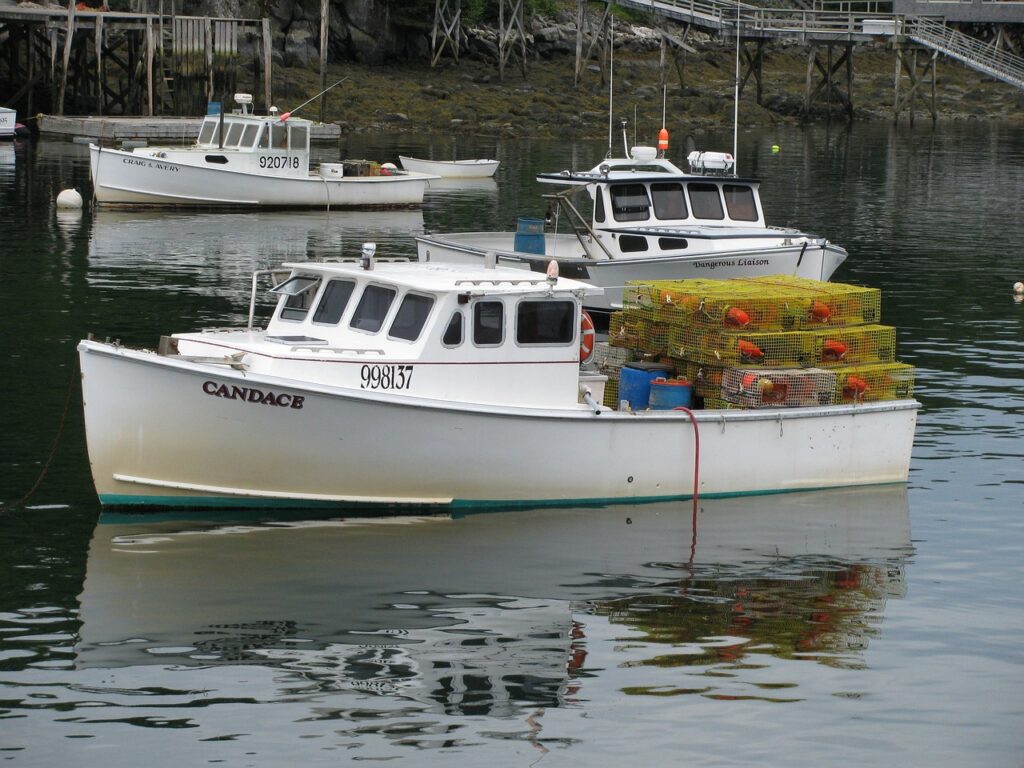
- Fishing and Boating Culture: With a history deeply rooted in fishing and boasting some of the best boat builders, Maine’s culture is inextricably linked to the ocean.
Maine’s Natural Wonders
Acadia National Park: A Jewel of the Atlantic
- Cadillac Mountain: As the highest point along the North Atlantic seaboard, Cadillac Mountain in Acadia offers breathtaking views, especially at sunrise.
- Diversity of Flora and Fauna: The park’s diverse ecosystems are home to an array of wildlife. Making it a haven for nature lovers and environmental enthusiasts.
The Majesty of Northern Maine
- Mount Katahdin and Baxter State Park: This area represents the rugged, untamed spirit of Maine. Attracting adventurers and nature enthusiasts alike.
- The Wild North: Northern Maine’s expansive wilderness, including the largest area of undeveloped land east of the Mississippi, is a testament to Maine’s commitment to preserving its natural beauty.
Facts About Maine
The Cultural Tapestry of Maine
Maine’s Artistic and Literary Heritage
- Author Stephen King and Poet Henry Wadsworth Longfellow: Maine has been the muse for many artists and writers. Including the renowned author Stephen King and the celebrated poet Henry Wadsworth Longfellow, showcasing the state’s influence on American literature.
- The Portland Museum of Art and Cultural Festivals: The state’s rich artistic heritage is also evident in its vibrant cultural scene. With institutions like the Portland Museum of Art and numerous festivals celebrating Maine’s history and arts.
The Legacy of Native American Tribes
- Tribal History and Influence: The history and culture of Native American tribes in Maine, such as the Penobscot and Passamaquoddy, are integral to understanding the state’s rich heritage and diverse cultural landscape.
Maine’s Economic Landscape
From Timber to Technology
- The Timber Industry and Eastern White Pine: The timber industry, symbolized by the Eastern White Pine, has been a cornerstone of Maine’s economy. Shaping both its history and current economic landscape.
- Innovation and Modern Economy: Beyond its traditional industries, Maine is also a hub for innovation and technology. Reflecting a dynamic and evolving economic landscape.
Facts About Maine: Frequently Asked Questions
Facts About Maine Conclusion
As we continue to uncover interesting facts about Maine, it’s clear that this state offers a unique blend of history, natural beauty, and cultural richness. From its role in American history as part of the Missouri Compromise to its status as the easternmost point in the United States. Maine’s story is as diverse as its landscape. Stay tuned for more insights into the great state of Maine. Where every corner holds a story waiting to be told.
Facts About Maine
Maine’s Distinctive Features and Contributions
Maine’s Culinary Delights: Beyond Lobsters
- Maine Lobsters and Seafood Cuisine: Renowned for its Maine lobsters, the state’s culinary scene is a paradise for seafood lovers. The annual yield of Maine lobster is a testament to its significance, both culturally and economically.
- Maple Syrup and Wild Blueberries: Maine is also celebrated for its wild blueberries and maple syrup. Staples that add a sweet touch to its culinary identity.
Unique Attractions and Landmarks
- Portland Head Light and Cape Elizabeth: These landmarks are not just tourist attractions. But symbols of Maine’s maritime heritage and its scenic beauty along the rocky coast.
- The Umbrella Cover Museum and International Cryptozoology Museum: Maine is home to some of the most unique museums. Showcasing its quirky and creative side.
Pages: 1 2