72 Amazing Facts About Barn Owls & Their Unique Silent Hunt
Facts About Barn Owls
Although many birds of prey inspire curiosity, the facts about barn owls often create a deeper sense of wonder because these medium-sized owls seem almost otherworldly. As one of the most widespread owl species on the planet, Tyto alba has been surrounded by myths, admiration, and sometimes fear.
Additionally, the ghost-like appearance, the heart-shaped face, and the ability to hunt in total darkness leave many people wanting to know more about what makes the wild barn owl so unique. Consequently, an emotional connection is often formed with these remarkable animals due to their quiet beauty and mysterious nocturnal habits.
Furthermore, conservation concerns have increased public interest in learning facts about barn owls to better understand how habitat loss, less food availability, and urban areas affect barn owl populations.
Although these owls are commonly seen in open habitats, old buildings, abandoned buildings, church steeples, tree cavities, and man-made structures, their numbers still fluctuate as landscapes change.
Moreover, the species has been studied extensively across North America, South America, and Southeast Asia. With researchers uncovering incredible insights into their excellent hearing, depth perception, and silent flight.
Interestingly, one well-documented fact supported by the International Union for Conservation of Nature shows that Tyto alba is listed as a species of “Least Concern,” meaning that global numbers remain steady despite regional declines (Source: IUCN Red List).
Because of this, understanding these birds helps people support wise conservation efforts, manage nesting sites, and appreciate their irreplaceable role in controlling small mammals and small birds.
Understanding the Most Important Facts About Barn Owls
Because the facts about barn owls reveal surprising adaptations, learning about their physical traits, behaviors, and habitats allows readers to appreciate just how advanced these birds truly are.
Additionally, many people are unaware that barn owl pairs often rely on tree hollows, nest boxes, and barn lofts to raise their young birds. Consequently, the species’ survival depends heavily on available nesting sites and open areas rich in prey like wood mice and meadow voles.
Appearance and Unique Physical Traits
Furthermore, several facts about barn owls relate to their distinctive physical features. Which set them apart from tawny owls, short-eared owls, screech owl species, and even the great horned owl.
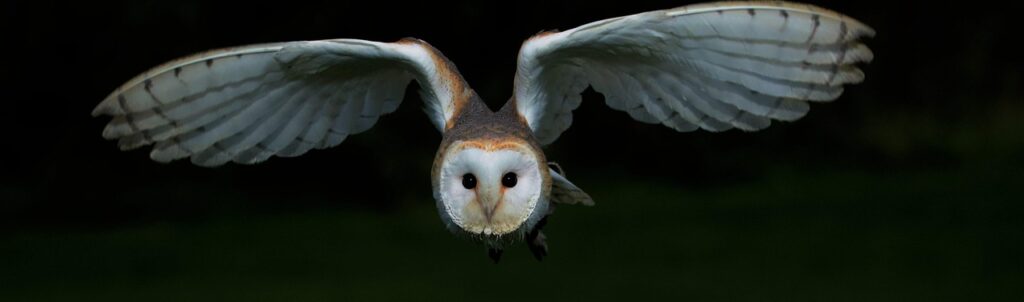
- Their heart-shaped face creates an efficient facial disk that funnels tiny sounds directly toward their dark eyes and ears.
- Long legs are adapted for striking small prey in long grass and open fields.
- Wing feathers enable silent flight, allowing them to approach prey whole and unseen.
- Their body length is often compared to the size of a small cat.
Additionally, brown feathers, darker bars, dark spots, and black eyes help some individuals blend into open lowlands and open habitats, while white owl varieties—sometimes called ghost owl, sweetheart owls, or monkey-faced owl—appear brilliantly pale in moonlight.
Behavior and Hunting Skills
Consequently, many extraordinary facts about barn owls revolve around how effectively they hunt. Although these owls can see in complete darkness or total darkness, their excellent vision works alongside excellent hearing, giving them unmatched precision.
Moreover, night owl behaviors like display flights and different calls—including the well-known barn owls screech—help them navigate and communicate during the breeding season.
Feeding Habits and Diet
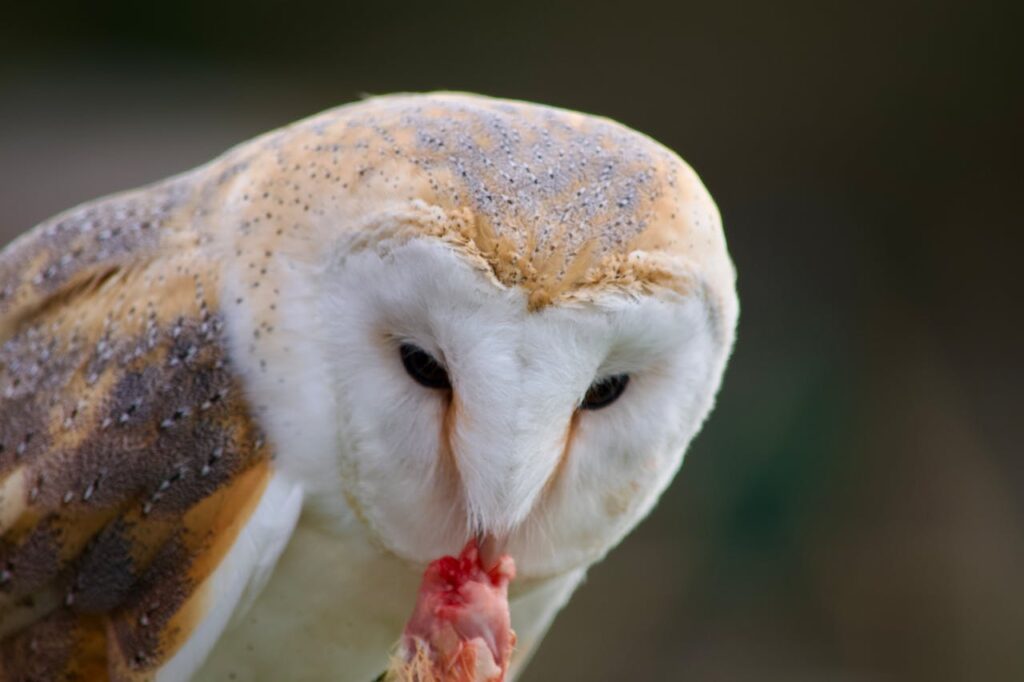
Additionally, several important facts about barn owls focus on how their feeding habits support entire ecosystems. Although these birds are known for preferring small mammals such as meadow voles and wood mice, they occasionally consume small birds when small prey becomes scarce.
Moreover, their ability to swallow prey whole makes digestion efficient and leaves behind the well-known owl pellet, which researchers use to study diet trends and local prey populations.
Consequently, a single breeding pair may consume hundreds of rodents within a single season, making them vital allies for natural pest control across open areas.
Furthermore, american barn owls living in North America often adapt their diets depending on regional availability. Because barn owls often hunt over open fields, open lowlands, and long grass, they rely on habitats rich in small prey to support both adult birds and young barn owls.
Additionally, western barn owl and eastern barn owl populations adjust to seasonal shifts in food supply, though habitat loss sometimes reduces their hunting grounds. Therefore, the presence of suitable open habitats becomes the foundation for stable barn owl populations.
Nesting Behavior and Family Life
Because many people are curious about how barn owls raise their young birds, exploring facts about barn owls related to nesting behavior provides valuable insight. Moreover, barn owls are cavity nesters, meaning they seldom build traditional nests.
Instead, they use tree hollows, hollow trees, nest boxes, abandoned buildings, and church steeples. Additionally, a nesting site must be protected, dark, and quiet, giving eggs and chicks a safe place to develop.
Breeding Season and Reproduction
Furthermore, the breeding season varies by region, yet several important patterns remain consistent across most widespread owl species. Because female barn owls are usually responsible for warming the eggs, their darker bars and brown feathers offer additional camouflage. Meanwhile, the male often brings food to the nest site, ensuring that young barn owls grow quickly during the early weeks.
- Clutch size often ranges from four to seven eggs.
- Young birds fledge around the time they take their first flight.
- The pair forms a strong seasonal bond, ensuring adequate care for chicks.
Additionally, in years when there is less food available, clutch size may decrease significantly. Consequently, conservationists recommend nest boxes in suitable open habitats to enhance survival rates.
Development of Young Barn Owls
Moreover, fascinating facts about barn owls show that young barn owls undergo dramatic growth changes within a short period. Although hatchlings are small, blind, and dependent, they quickly gain strength due to protein-rich diets. Additionally, as they mature, they begin practicing display flights and learning to identify tiny sounds from prey hidden in long grass or open fields.
Consequently, first flight marks a major milestone, offering the young bird independence as it begins life outside the nesting site. Furthermore, juvenile barn owls often remain near their parents for a brief period before dispersing into new open areas and searching for suitable nesting sites of their own.
Adaptations That Make Barn Owls Exceptional Hunters
Because many readers admire barn owls for their unmatched hunting abilities, exploring adaptations adds depth to the facts about barn owls presented here. Additionally, many adaptations appear subtle yet play a vital role in the owl’s survival.
Hearing and Vision
Although barn owls can see in complete darkness, their excellent hearing stands out as their greatest advantage. Moreover, asymmetrical ears allow them to pinpoint tiny sounds with remarkable accuracy, even when prey is hidden. Consequently, their depth perception remains superior to that of many other birds of prey, especially in challenging environments.
Furthermore, excellent vision enhances their ability to detect movement across open habitats, enabling them to adjust wing feathers for silent flight and precise strikes. Therefore, these combined traits make barn owls some of the most skilled night hunters on Earth.
Silent Flight and Stealth
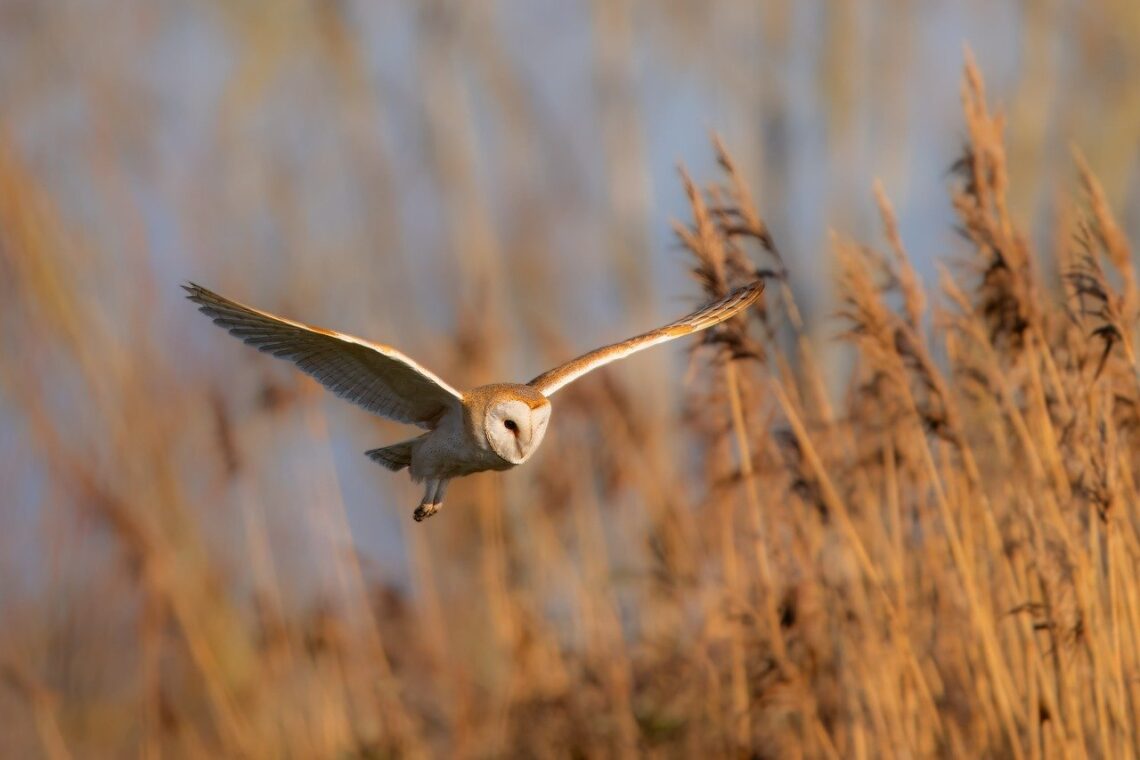
Additionally, one of the most captivating facts about barn owls involves their silent flight. Although many birds of prey rely on speed or strength, barn owls depend heavily on stealth. Moreover, their wing feathers possess soft, serrated edges that break up air turbulence, allowing them to glide silently across open areas.
Consequently, prey rarely detects their approach, even in total darkness. Because this evolutionary advantage enhances hunting success, barn owls have become iconic symbols of quiet precision in the natural world.
Furthermore, their smooth “moth flight,” a fluttering motion similar to that of a large moth, makes them even more difficult for prey to track. Additionally, this flight pattern reduces noise while improving maneuverability. Therefore, barn owls thrive in open fields, open lowlands, and grass-covered landscapes where silent movement proves essential.
Barn Owls and Their Global Distribution
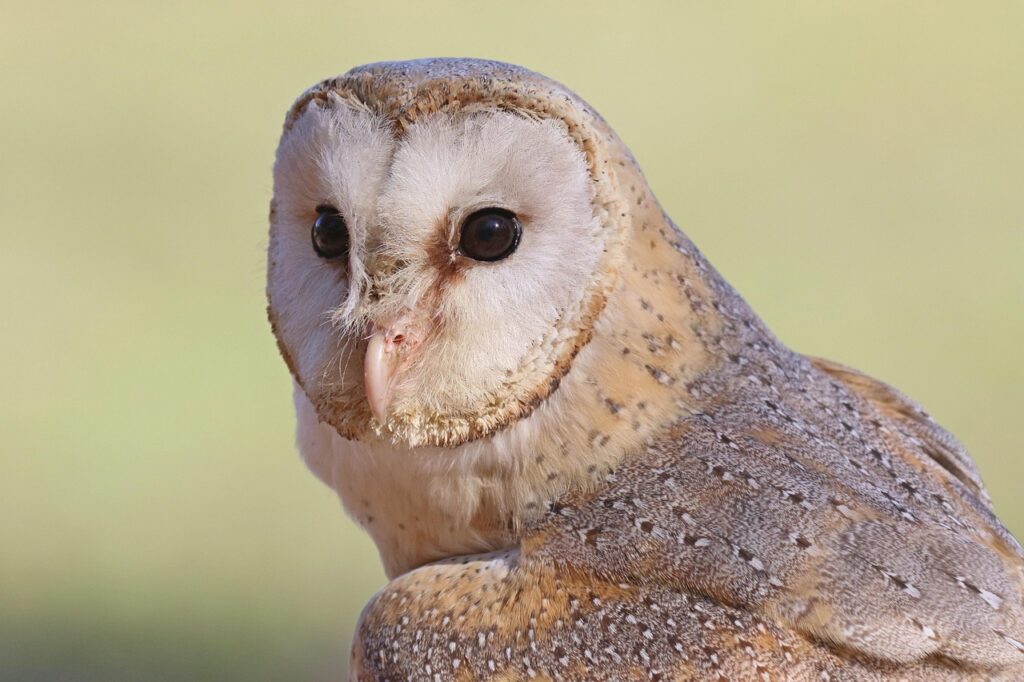
Because the facts about barn owls reveal their expansive range, it becomes clear why they are referred to as the most widespread owl species. Additionally, the species Tyto alba inhabits nearly every continent except Antarctica. Moreover, american barn owls thrive across North America, while distinct variations occur in South America, Europe, Africa, and Asia.
If it’s not too much trouble, I’d recommend reading this article. Best Secrets About Snowy Owls: The Arctic’s Elite Predator. It could add some valuable context to our discussion.
Variations Across Regions
Furthermore, western barn owl and eastern barn owl populations display slight differences in color, vocalizations, and size. Although all belong to the same broader family, these regional adaptations help them blend into local landscapes.
- North America, barn owls often appear pale, earning them nicknames such as white owl or ghost owl.
- In Southeast Asia, individuals display darker bars and rich brown feathers.
- In South America, populations may occupy both forest edges and open habitats depending on food supply.
Additionally, these regional differences reflect centuries of adaptation to climate, prey availability, and nesting sites.
Habitat and Environmental Needs
Because understanding habitat preferences enhances conservation awareness, several facts about barn owls explore where these birds thrive.
Moreover, barn owls favor open habitats where long grass, open areas, and open lowlands provide ample hunting opportunities. Additionally, they seek out man-made structures and old buildings when natural cavity sites become limited.
Nest Site Preferences
Consequently, barn owls gravitate toward nesting sites that offer darkness, safety, and height. Although tree hollows and hollow trees remain their natural choice, many now rely on nest boxes placed by conservation organizations or landowners. Furthermore, barn lofts, church steeples, abandoned buildings, and tree cavities provide sheltered spaces ideal for raising a breeding pair’s young birds.
Additionally, many conservation programs across New York, Europe, and other regions encourage nest box installations to combat habitat loss. Therefore, improved access to nesting sites can greatly increase barn owl populations, especially in agricultural landscapes where rodents are plentiful.
Impact of Habitat Loss
Although barn owls adapt well to many environments, habitat loss remains one of the leading threats. Moreover, urban areas, expanding infrastructure, and reduced prey availability can limit their ability to survive. Additionally, power lines and roads pose additional danger, especially for young barn owls learning to hunt.
Consequently, efforts by the International Union for Conservation of Nature and local wildlife groups focus on restoring open fields, maintaining old buildings, and protecting open habitats crucial for hunting. Furthermore, environmental education birds are often used to teach communities about the importance of supporting wild barn owl conservation.
Vocalizations and Communication
Because many people are surprised to learn how barn owls sound, exploring vocal behaviors provides some of the most memorable facts about barn owls. Moreover, unlike the hoots associated with many owls, barn owls screech.
Different Calls and Meanings
Additionally, barn owls produce a variety of sounds depending on age, behavior, and season.
- Adults emit a long, harsh screech during display flights or territorial disputes.
- Young barn owls beg for food using rapid, raspy calls.
- Breeding pairs may communicate with soft chirps to maintain contact.
Furthermore, these different calls help them navigate in complete darkness, maintain their pair bond, and coordinate during the breeding season. Because vocalizations play such a vital role, they are considered an essential part of barn owl behavior.
Mythology, Symbolism, and Cultural Perceptions
Additionally, many compelling facts about barn owls emerge from global folklore. Although some cultures admire these birds for their ghostly elegance, others associate them with mystery or bad omens.
Moreover, nicknames such as death owl, white owl, ghost owl, and monkey-faced owl reveal just how powerful their presence can be at night. Consequently, these cultural perceptions have influenced how people treat barn owls throughout history.
Furthermore, in some regions, barn owls were believed to warn of approaching danger, while in others, they symbolized wisdom or protection.
Although these beliefs vary across continents, the barn owl’s silent flight, dark eyes, and nocturnal habits consistently inspire strong emotional reactions. Therefore, modern conservation educators emphasize accurate information to replace fear with understanding.
Human Interactions and Conservation Efforts
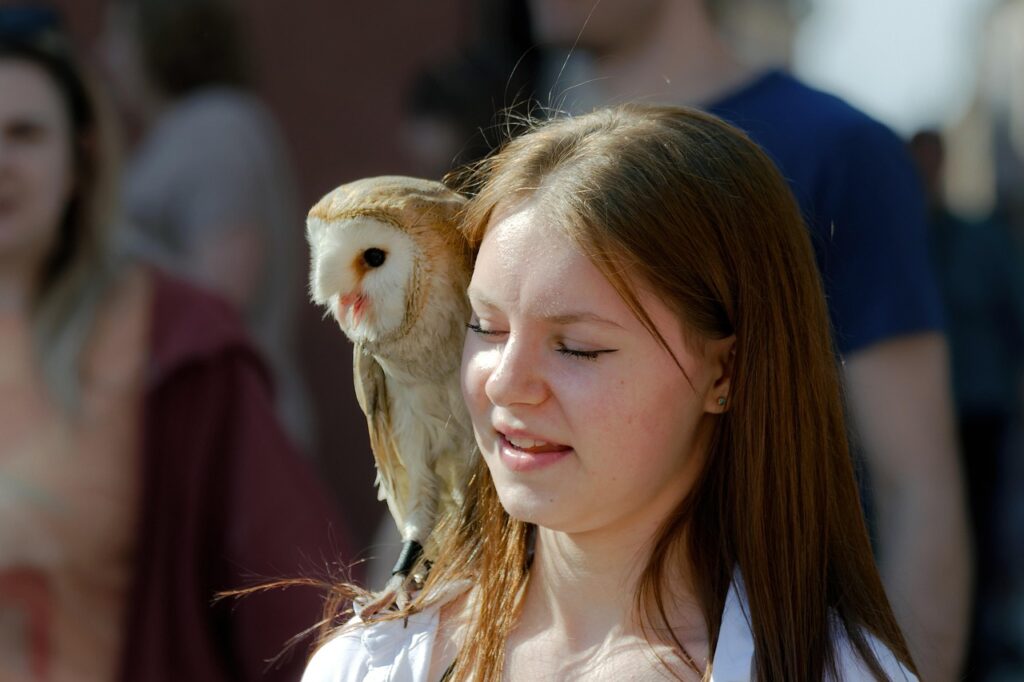
Because barn owls often coexist with people, exploring how humans influence their survival adds meaningful depth to the facts about barn owls presented here. Additionally, their ability to thrive near farms, barns, and rural settlements makes them essential partners in natural rodent control.
Coexistence in Agricultural Settings
Moreover, many farmers appreciate barn owls for reducing populations of meadow voles and other small mammals. Although pesticides once threatened wild barn owl health, modern conservation encourages natural pest management through nest box programs. Consequently, barn owls have become valuable allies in sustainable farming.
Additionally:
- Barn owls help control rodents without chemicals.
- Barn lofts and man-made structures offer convenient nesting sites.
- Nest boxes improve breeding success during years of less food.
Furthermore, educational outreach programs teach communities how to create safe nesting sites and minimize unnecessary risks from power lines or urban developments.
Urban and Suburban Encounters
Although barn owls prefer open fields and rural landscapes, they occasionally adapt to urban areas. Moreover, old buildings, abandoned buildings, and church steeples provide appealing roosts in cities where natural cavities are scarce.
Consequently, sightings in metropolitan regions such as New York surprise residents who may not expect to see these medium-sized owls so close to human activity.
Additionally, urban challenges include traffic hazards, reduced prey, and increased noise. Therefore, thoughtful city planning that preserves open areas and reduces unnecessary lighting can help barn owls navigate human-dominated spaces more safely.
Common Names, Misidentifications, and Related Species
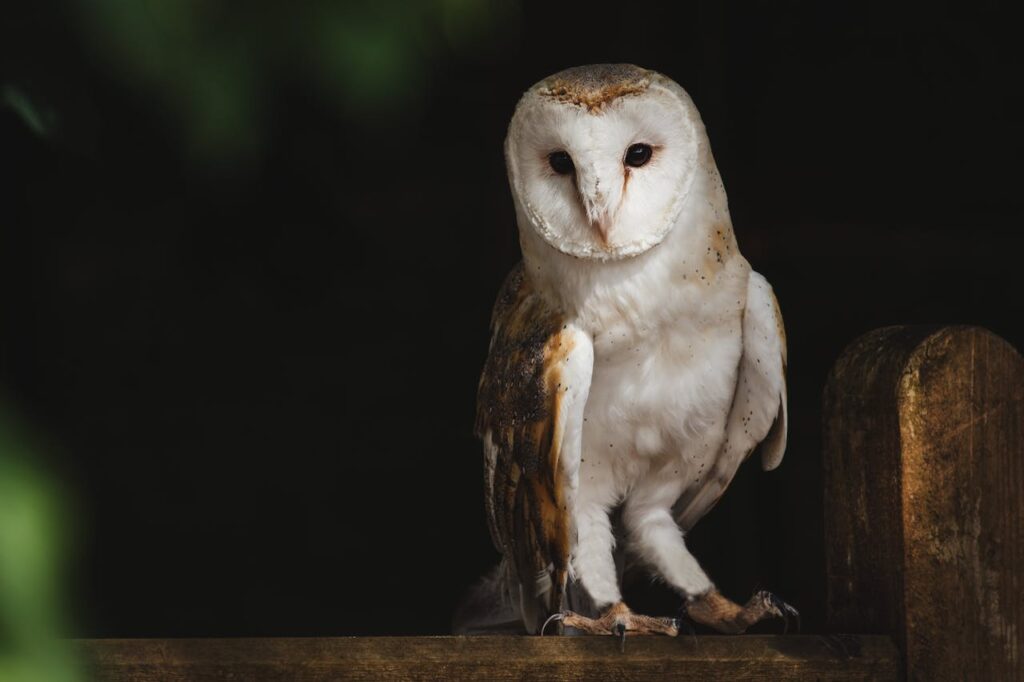
Because many people confuse barn owls with other birds of prey, several facts about barn owls highlight how they differ from tawny owls, short-eared owls, screech owl species, and great horned owls. Additionally, their heart-shaped face makes them instantly recognizable, unlike the round facial disks of most other owls.
How Barn Owls Differ From Other Owl Species
Furthermore, barn owls display unique anatomical and behavioral traits:
- They lack the traditional hoot—barn owls screech instead.
- Their facial disk is more elongated.
- Small prey on the ground are captured by their specialized long legs.
- Brown feathers and darker bars help with camouflage in open habitats.
Moreover, great horned owls sometimes prey on barn owls, creating natural competition that influences local barn owl populations. Because of this, barn owls often avoid dense forests where great horned owls dominate.
Snippet-Friendly Summary — Quick Facts Section
The following list provides a brief summary of essential facts about barn owls.
Key Facts About Barn Owls (Quick Overview)
- Barn owls (Tyto alba) can hunt in complete darkness using excellent hearing.
- Their heart-shaped face helps funnel sound directly to each ear.
- They swallow prey whole and later regurgitate an owl pellet.
- They thrive in open habitats such as fields, lowlands, and long grass.
- A breeding pair may raise several young barn owls each season.
- They use tree hollows, nest boxes, and abandoned buildings as nesting sites.
Lifespan, Mortality, and Environmental Challenges
Because longevity affects population stability, several facts about barn owls relate to lifespan and survival. Although the average lifespan in the wild ranges from two to four years, captive individuals often live much longer due to reliable food and fewer threats. Moreover, young birds experience high mortality rates during their first year, often due to starvation, collisions with vehicles, or severe weather.
Factors Affecting Lifespan
Additionally, numerous influences determine how long a barn owl survives:
- Weather patterns affecting prey availability
- Habitat loss from development or agriculture
- Power lines and roadways
- Predation from great horned owls
Furthermore, because many of these threats are human-related, conservation efforts remain essential for supporting global barn owl populations.
Facts About Barn Owls: Frequently Asked Questions
Why do barn owls screech instead of hoot?
Although many owls hoot, barn owls screech because their vocal anatomy is designed for sharp communication calls rather than deep resonant sounds. Additionally, screeching helps them express territory, distress, or contact during the breeding season. Consequently, their voice often surprises those expecting a traditional owl hoot.
Where do barn owls prefer to build their nests?
Because they are cavity nesters, barn owls choose tree hollows and hollow trees. Also abandoned buildings, church steeples, nest boxes, and barn lofts. Moreover, they rarely build nests out of sticks or leaves, preferring existing enclosed spaces for protection. Therefore, providing nest boxes can significantly support local barn owl populations.
What do barn owls mainly eat?
Although barn owls consume a variety of small prey, their diet mainly includes meadow voles, wood mice, and other small mammals. Additionally, they hunt small birds when necessary. Consequently, they help control rodent populations naturally.
How well can barn owls see in complete darkness?
Although excellent vision is a major advantage, barn owls rely even more on excellent hearing. Additionally, their asymmetrical ears allow them to detect tiny sounds in total darkness. Therefore, they can hunt successfully even when there is little or no light.
Are barn owls dangerous to people or pets?
Although they are birds of prey, barn owls generally avoid humans. Moreover, they prefer open habitats far from busy areas. Consequently, they are not dangerous to people or pets unless cornered or threatened, which is rare.
Why are barn owls considered symbols of mystery or bad omens?
Because barn owls appear pale, silent, and active at night, many cultures formed superstitions about them. Although these associations often stem from fear of the unknown, modern understanding shows barn owls are harmless and ecologically beneficial. Therefore, education helps replace myth with appreciation.
Facts About Barn Owls Conclusion
Although many wildlife species capture public attention, the facts about barn owls reveal a bird unlike any other. Additionally, their silent flight, heart-shaped face, excellent hearing, and mastery of hunting in complete darkness make them some of the most efficient predators in nature.
Moreover, their global presence—from North America to South America and Southeast Asia—illustrates their resilience and adaptability. Consequently, understanding these birds fosters a deeper appreciation for their ecological value and the conservation efforts required to protect them.
Furthermore, barn owls play an essential role in controlling small mammals, supporting sustainable agriculture, and maintaining natural balance across open habitats. Because they rely on safe nesting sites, open fields, and stable prey populations, human stewardship remains crucial.
Additionally, knowing how they differ from tawny owls, screech owl species, short-eared owls, and great horned owls helps people identify and protect them more effectively.
Ultimately, by learning these detailed facts about barn owls, readers can support conservation, share accurate information, and experience a greater emotional connection to one of the world’s most widespread owl species. Therefore, whether discovered in abandoned buildings, soaring quietly across long grass, or nesting peacefully in man-made structures, barn owls continue to inspire awe, curiosity, and respect.
Would you mind reading this article 35 Fascinating Facts About Mockingbirds Leaving You in Awe when you have a moment.