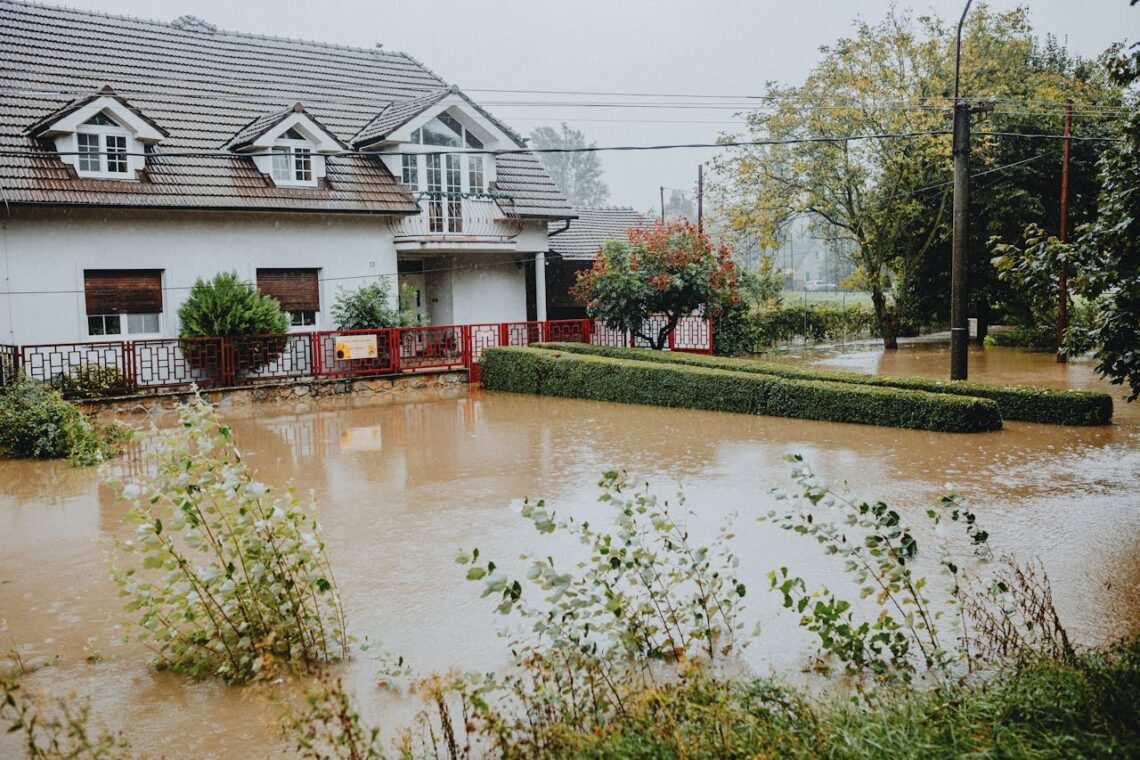
Important Facts About Floods in the Modern World
Why Understanding Facts About Floods Matters More Than Ever
However, important facts about floods are often overlooked. Until communities are suddenly affected by rising water levels and unexpected flood events.
Across the world, floods are recognized as the most common natural disaster. Also, significant damage is frequently caused in both urban areas and rural river basins each year.
Moreover, the risk of floods has been increased by climate change. Sea-level rise, and heavier precipitation patterns that are being recorded more frequently.
Additionally, many people underestimate how even a small amount of water can create serious water damage inside homes. Disrupt electrical systems, and lead to costly flood insurance claims.
Therefore, awareness of reliable facts about floods can help families prepare earlier and respond more safely during severe weather events.
Similarly, guidance from the national weather service and alerts delivered through noaa weather radio are often relied upon to reduce loss of life during flash flooding emergencies.
Meanwhile, ancient communities such as the ancient egyptians were already adapting to river flooding along the Nile River thousands of years ago. Consequently, flood control strategies have continued evolving, especially in flood-prone areas across the united states. Where coastal areas, low-lying areas, and river basins remain vulnerable today.
Furthermore, information provided by the federal emergency management agency and resources available on a gov website have been designed to support safer evacuation planning and property protection.
Importantly, these facts about floods are not only scientific observations. But also practical lessons that can protect homes, families, and livelihoods during major floods.
As a result, understanding the power of water and the behaviour of flood waters is considered one of the most important things anyone living near water bodies should do.
Essential Facts About Floods and How They Affect Communities
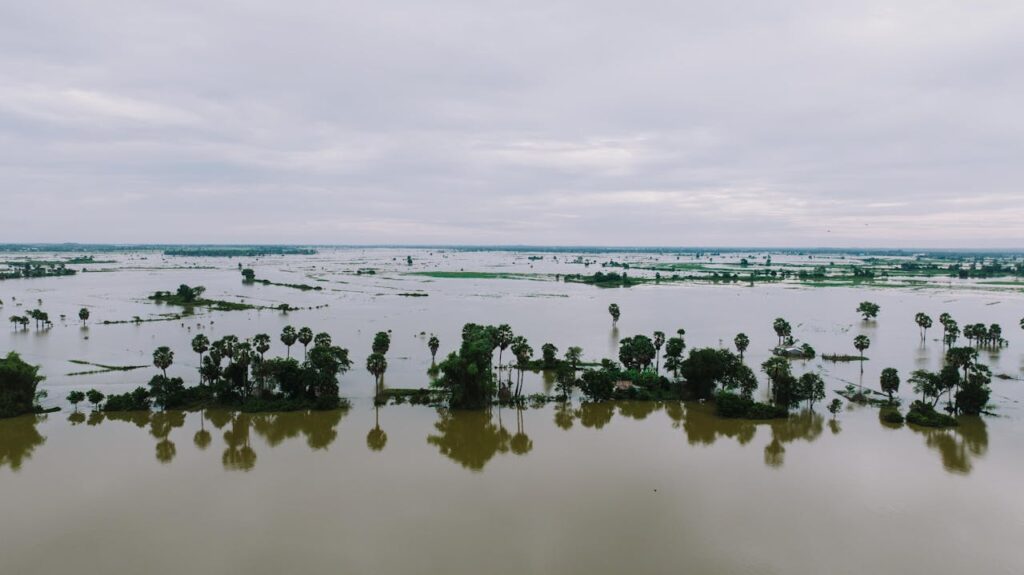
What Defines Flood Events and Why They Occur
However, flood events are generally described as situations in which water overflows beyond the normal boundaries of a body of water. Then spreads across land that is usually dry.
Moreover, these events may develop after heavy rainfall, torrential rains, tropical cyclones, winter storms, or even dam failures. Also, dam breaks that release a sudden release of water downstream.
Additionally, flash floods are widely considered the most dangerous kind of flood. Because fast-moving water can sweep vehicles away within a single time frame of only minutes.
Therefore, people living in flood-prone areas are often encouraged to move toward higher ground immediately when flash flooding warnings are issued.
Similarly, river flooding is frequently observed when river basins receive a massive amount of runoff after heavy spring rains or massive snowfalls.
Meanwhile, urban flooding is commonly triggered when drainage systems in parking lots and built-up environments are overwhelmed by inches of water during severe thunderstorms.
Consequently, storm surges created by hurricane katrina and other severe storms have demonstrated how coastal areas can experience extensive damage within hours. Furthermore, estuary flooding and simple tidal floods are becoming more frequent as high sea levels continue rising globally.
Importantly, according to the federal emergency management agency, just one inch of flood water can cause thousands of dollars in property damage inside a home (Source: https://www.fema.gov). As a result, these verified facts about floods highlight how even shallow flood waters should never be underestimate.
Common Causes Behind Flood Events Around the World
Heavy Rainfall and Weather Systems That Trigger Flooding
However, one of the most widely reported facts about floods is that heavy rainfall remains the single biggest contributor to severe flooding across continents.
When heavy precipitation continues over a long period of time, water bodies such as rivers and lakes are gradually forced beyond their limits. Consequently, water overflows into nearby flood-prone areas and low-lying areas where communities are often located.
Moreover, severe thunderstorms and tropical cyclones frequently produce torrential rains that overwhelm drainage systems in urban areas. Therefore, urban flooding has increasingly become one of the most common natural hazards affecting modern cities.
Similarly, parking lots, paved roads, and dense infrastructure prevent clean water from being absorbed naturally into the soil. Which increases the risk of floods during intense weather events.
Additionally, river flooding is commonly observed when river basins collect runoff from multiple upstream locations after heavy spring rains or massive snowfalls. As a result, water levels rise rapidly and create dangerous conditions downstream.
Meanwhile, flash floods are triggered when a massive amount of rainfall falls within a short period of time. Often during summer months or sudden severe storms.
Importantly, these facts about floods demonstrate that even regions far from coastal areas can experience serious flood damage due to inland weather reports warning of heavy precipitation events.
Storm Surges, Sea-Level Rise, and Coastal Flooding
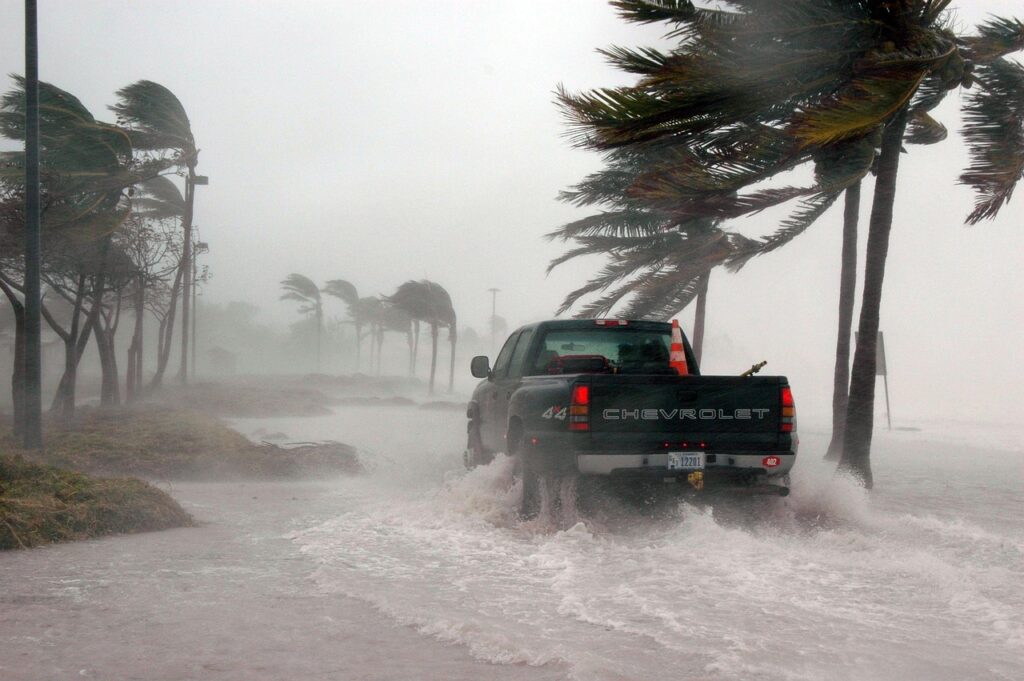
Furthermore, storm surges generated by ocean waves during tropical cyclones represent another huge cause of flooding in coastal areas.
When high sea levels combine with powerful winds, flood waters are pushed inland and coastal defences can be overwhelmed quickly. Consequently, estuary flooding and simple tidal floods are becoming more common as climate change contributes to rising ocean levels worldwide.
Similarly, coastal areas located within a flood zone are increasingly exposed to seasonal flooding during certain times of the year when tides reach their highest point. Therefore, these facts about floods are especially important for families living near the high sea or shoreline environments.
Meanwhile, higher water levels caused by sea-level rise are expected to increase the frequency of severe flooding events over the coming decades. As a result, coastal communities are being encouraged to invest in stronger flood control infrastructure and flexible evacuation plans.
Ice Jam Flooding and Dam Failures
However, another lesser-known category within facts about floods involves the impact of ice jam formation during winter storms.
When frozen river surfaces break apart and accumulate downstream, natural blockages are created that prevent water from flowing normally. Consequently, river flooding can occur suddenly as pressure builds behind these ice barriers.
Additionally, dam failures and dam breaks are recognized as rare but extremely dangerous weather events that release a sudden release of water into downstream communities. Therefore, these incidents are often associated with extensive damage and increased loss of life if warnings are delayed.
Similarly, extreme versions of a river overflowing after dam failures can produce fast-moving water capable of sweeping away infrastructure within minutes. As a result, emergency alerts issued through noaa weather radio and updates from the national weather service remain essential tools for protecting residents.
Importantly, understanding these facts about floods allows communities to identify early warning signs and reduce long-term flood risk before catastrophic outcomes occur.
Different Types of Flooding Everyone Should Recognize Early
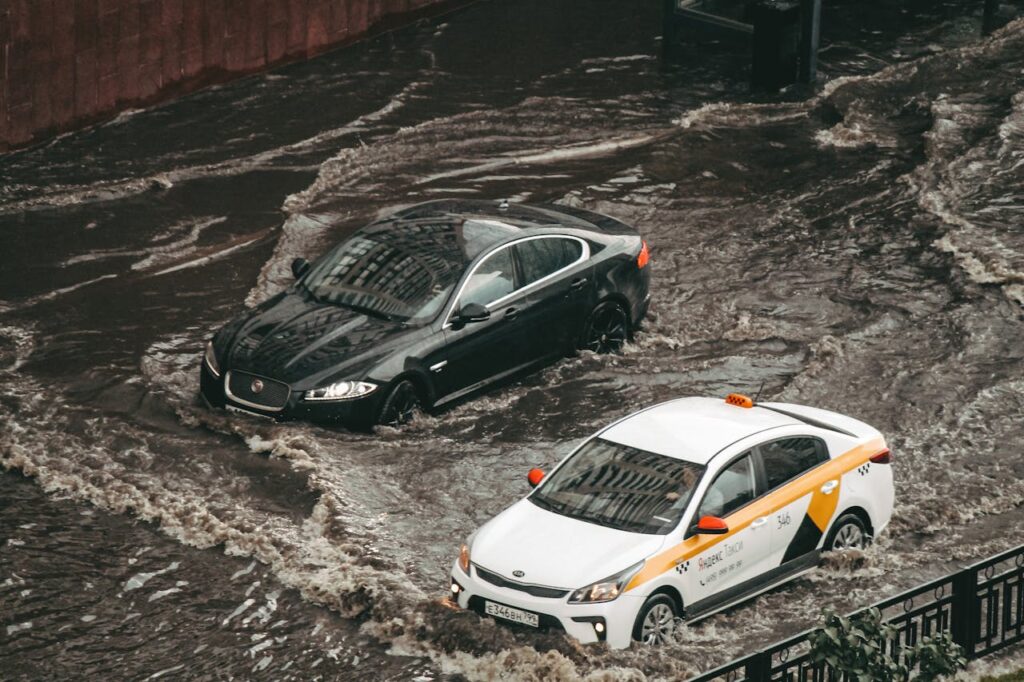
Flash Floods: The Most Dangerous Kind of Flood
However, one of the most alarming facts about floods is that flash floods are widely recognized as the most dangerous kind of flood. Due to their speed and unpredictability. These events are typically triggered by heavy rainfall, severe thunderstorms, or sudden releases of water from dam failures and dam breaks.
Consequently, fast-moving water can develop within minutes and sweep through communities before evacuation becomes possible.
Moreover, flash flooding is especially dangerous in urban areas where drainage systems are quickly overwhelmed by inches of water falling within a short time. Therefore, vehicles parked in parking lots and streets are frequently carried away by strong currents.
Similarly, people attempting to walk through even shallow flood waters are often exposed to hidden hazards beneath the surface.
Additionally, the national weather service regularly warns that only a few feet of water can float most vehicles. As a result, residents are encouraged to move immediately toward higher ground.
When warnings are issued through noaa weather radio or local weather reports. Importantly, these facts about floods demonstrate why emergency preparedness must always include evacuation planning.
Meanwhile, meteorologist dr. Reed Timmer has frequently emphasized during severe storms that flash flooding can develop faster than expected during intense weather events. Consequently, public awareness campaigns continue encouraging individuals to monitor alerts closely during summer months and severe thunderstorm activity.
River Flooding and Overflow From Major Water Bodies
Furthermore, river flooding represents another major category within facts about floods and is commonly observed across large river basins worldwide.
When water levels increase steadily due to heavy precipitation, heavy spring rains, or massive snowfalls, rivers eventually exceed their banks and spill into surrounding land. Therefore, communities located near a body of water are often exposed to repeated flood events over time.
Similarly, extreme versions of a river overflowing can affect entire regions and disrupt transportation networks for extended periods. As a result, major floods in the united states have historically caused significant damage to agricultural land, homes, and infrastructure.
Additionally, ancient communities such as the ancient egyptians depended on predictable river flooding patterns to support farming activities along fertile riverbanks. Consequently, these early societies developed flood control strategies that are still studied today in modern engineering systems.
Importantly, these facts about floods highlight how river flooding can be both beneficial for agriculture. And harmful when uncontrolled water overflows threaten populated areas.
Coastal Flooding and Storm Surge Impacts
Meanwhile, coastal flooding occurs when ocean waves and storm surges push large volumes of water inland during tropical cyclones and severe storms. As a result, coastal areas often experience extensive damage to homes, roads, and coastal defences.
Moreover, hurricane katrina remains one of the most widely studied examples of severe flooding in the united states. Where catastrophic flood damage caused widespread property damage and power outages. Therefore, this event continues to be referenced as one of the deadliest flood disasters in modern American history.
Additionally, sea-level rise linked to climate change has increased the likelihood that simple tidal floods will occur more frequently in coastal communities. Consequently, long-term flood risk planning has become a priority for governments working to protect vulnerable shoreline populations.
Importantly, these facts about floods emphasize how the power of water combined with rising ocean levels creates serious threats for people living near water bodies.
The Real Impact of Flood Damage on Homes, Infrastructure, and Lives
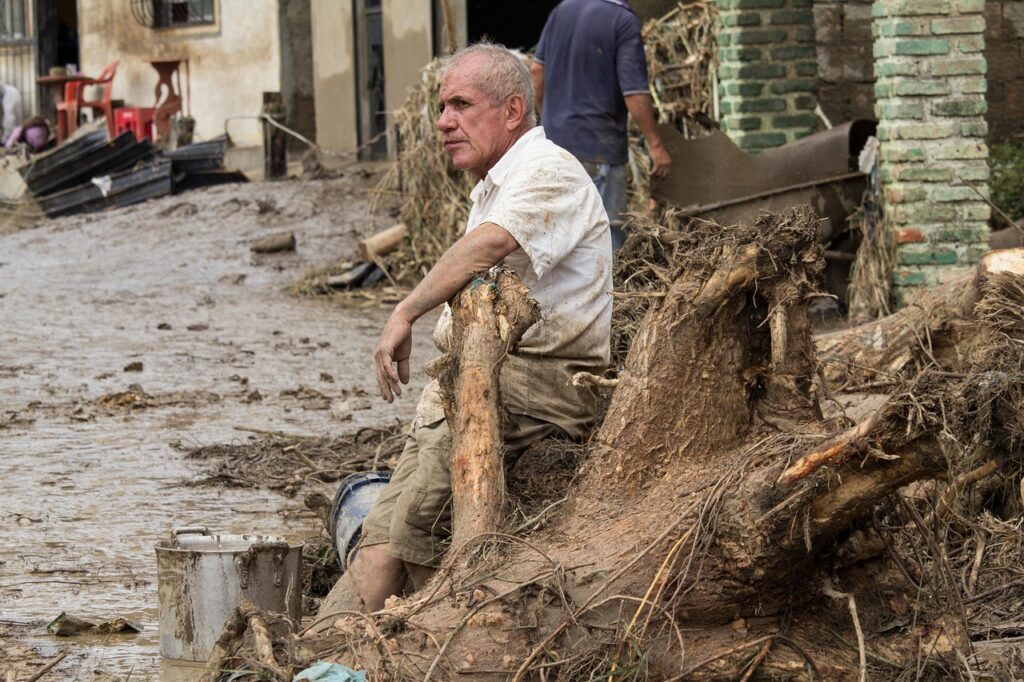
How Flood Waters Affect Property and Electrical Systems
However, one of the most practical facts about floods is that even a small amount of water entering a home can cause serious water damage within minutes.
When flood waters move through residential buildings, flooring materials, insulation layers, and electrical systems are quickly affected. Consequently, repair costs often become higher than expected after a single flood event.
Moreover, just one inch of flood water is capable of damaging carpets, furniture, wiring, and appliances.
Therefore, homeowners living in a flood zone are strongly encouraged to review protection strategies. Before the time of the year when severe storms are most common. Similarly, insurance agent consultations are frequently recommended to help property owners understand coverage options before disaster strikes.
Additionally, flood insurance claims submitted through the national flood insurance program often increase significantly after major floods across the united states. As a result, homeowners without separate flood insurance policies may face unexpected financial burdens following severe flooding incidents.
Meanwhile, the flex seal family of products and similar waterproofing tools are often considered by residents seeking temporary home protection solutions. Consequently, flex seal flood protection has become part of emergency preparation discussions in some flood-prone areas.
Importantly, these facts about floods demonstrate how preparation before flood events can reduce long-term property damage and improve recovery outcomes.
Infrastructure Damage and Community Disruption
Furthermore, public infrastructure is frequently affected during severe flooding across urban areas and rural environments alike.
Roads, bridges, drainage systems, and coastal defences are often exposed to the power of water during extended periods of heavy precipitation. As a result, transportation routes may remain closed for days or weeks after major floods occur.
Similarly, power outages are commonly reported when flood waters reach underground wiring networks and electrical systems serving entire neighbourhoods. Therefore, emergency services are often required to assist residents who become isolated due to blocked roads and flooded streets.
Additionally, flood damage to water bodies used for drinking supplies may lead to contamination concerns. This requires extensive treatment before clean water becomes safe again. Consequently, public health risks increase when sanitation infrastructure is affected by prolonged severe flooding.
Meanwhile, large-scale flood events across river basins can also disrupt agriculture and food supply chains. As a result, communities located near flood-prone areas may experience economic setbacks. These can continue long after water levels return to normal.
Importantly, these facts about floods reveal how widespread disruption can occur even when flood waters remain present for only a short period of time.
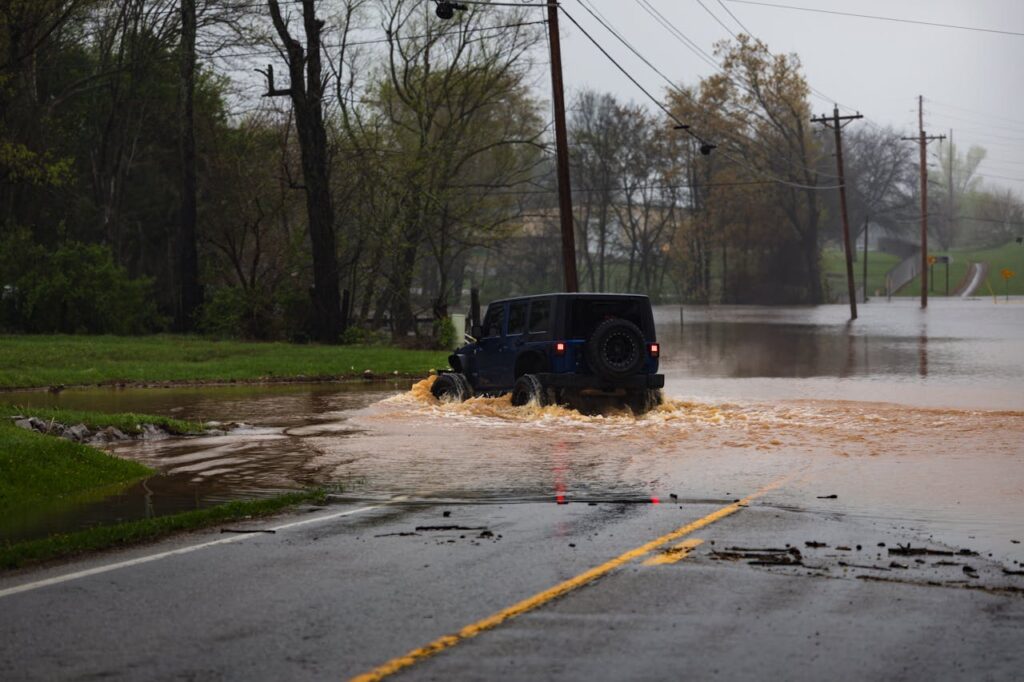
Loss of Life and the Human Cost of Severe Flooding
However, another difficult reality within facts about floods is the emotional and social impact created by loss of life during sudden disasters. Fast-moving water during flash floods often leaves little time for evacuation, especially when warnings are not received quickly enough.
Moreover, the deadliest flood disasters in recorded history have affected millions of people living near river basins and coastal areas vulnerable to extreme weather events.
Therefore, safety education campaigns continue emphasizing evacuation planning and early warning awareness as essential protective measures.
Additionally, national geographic has documented several major floods that reshaped entire landscapes and displaced ancient communities across continents. Consequently, historical evidence continues demonstrating that flood events have influenced human settlement patterns for thousands of years.
Similarly, modern emergency planning strategies supported by the federal emergency management agency are designed to reduce future loss of life during severe flooding incidents.
As a result, improved communication systems and weather reports now play a critical role in protecting communities from unexpected flood risks.
Importantly, these facts about floods remind readers that preparation is not only about protecting buildings but also about protecting families and neighbours during dangerous weather events.
Quick Facts About Floods
However, many readers search for clear and direct facts about floods that can be understood quickly. During emergencies or planning situations. Therefore, the following verified flood facts are presented in a concise format. Suitable for rapid reference and safety awareness.
Key facts about floods include:
- Flooding is the most common natural disaster worldwide.
- Just one inch of flood water can cause costly property damage inside homes.
- Flash floods are widely considered the most dangerous kind of flood.
- Coastal areas are increasingly affected by sea-level rise and storm surges.
- Urban flooding often develops when drainage systems are overwhelmed by heavy rainfall.
- River flooding frequently occurs after heavy spring rains or massive snowfalls.
- Dam failures can release a sudden release of water with little warning.
- A single acre of wetland can store over one million gallons of water during storms. (Source: United States Environmental Protection Agency via gov website).
Importantly, these facts about floods demonstrate why early awareness and preparation can significantly reduce the risk of floods in vulnerable regions.
Important Flood Facts Everyone Should Remember Before Severe Weather Events
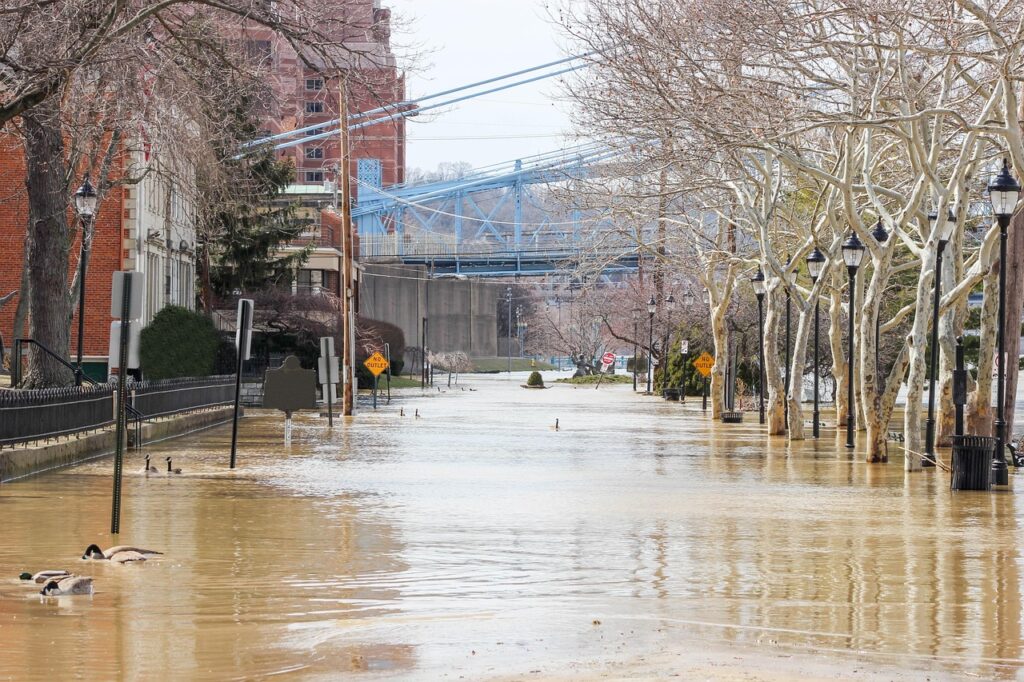
Why Flood Awareness Saves Lives
However, many people underestimate the importance of monitoring weather reports before severe storms develop. When warnings are received early through the national weather service. Plus noaa weather radio, evacuation decisions can be made more safely and efficiently. Consequently, families living in flood-prone areas are strongly encouraged to review evacuation routes regularly.
Moreover, the federal emergency management agency advises residents to understand whether their homes are located inside a designated flood zone. Before the start of each rainy season. Therefore, early preparation is considered one of the most important things that can reduce flood risk during major floods.
Additionally, separate flood insurance coverage is often recommended because standard policies may not include protection against flood damage. As a result, many homeowners consult an insurance agent to evaluate their eligibility for the national flood insurance program.
Similarly, awareness of common causes such as heavy precipitation, severe storms, and tropical cyclones helps residents recognize early warning signs of potential flooding. Consequently, communities that remain informed are better prepared to respond effectively during flood events.
Importantly, these facts about floods highlight how informed planning can reduce both property damage and emotional stress during emergencies.
I’d really appreciate it if you could read this article The Best 50 Facts About Hurricanes: Nature’s Powerful Storms when you have a moment. It’s related to what we’ve been discussing.
Frequently Asked Questions About Facts About Floods
What are the most common causes of floods?
However, the most common causes of floods include heavy rainfall, torrential rains, severe thunderstorms, tropical cyclones, dam breaks, ice jam formation, and storm surges along coastal areas. These weather events often increase water levels rapidly and lead to widespread flooding.
Why are flash floods considered the most dangerous kind of flood?
Moreover, flash floods are considered the most dangerous kind of flood. Because fast-moving water can develop within minutes and sweep away vehicles, structures, and people before evacuation becomes possible.
How much damage can an inch of flood water cause?
Additionally, even one inch of flood water can cause extensive damage to flooring, furniture, insulation, and electrical systems inside homes and businesses.
Which areas face the highest risk of floods?
Similarly, low-lying areas, coastal areas, river basins, and urban areas with limited drainage infrastructure are considered locations with the highest flood risk worldwide.
How does climate change increase the risk of floods?
Furthermore, climate change contributes to sea-level rise, heavier precipitation patterns, and more frequent severe storms. All of which increase the likelihood of severe flooding events.
What steps can homeowners take to reduce flood damage risk?
Consequently, homeowners are encouraged to purchase separate flood insurance, install flood control barriers, monitor weather reports. And also to move valuables to higher ground when warnings are issued.
Conclusion: Why Learning Facts About Floods Protects Lives and Property
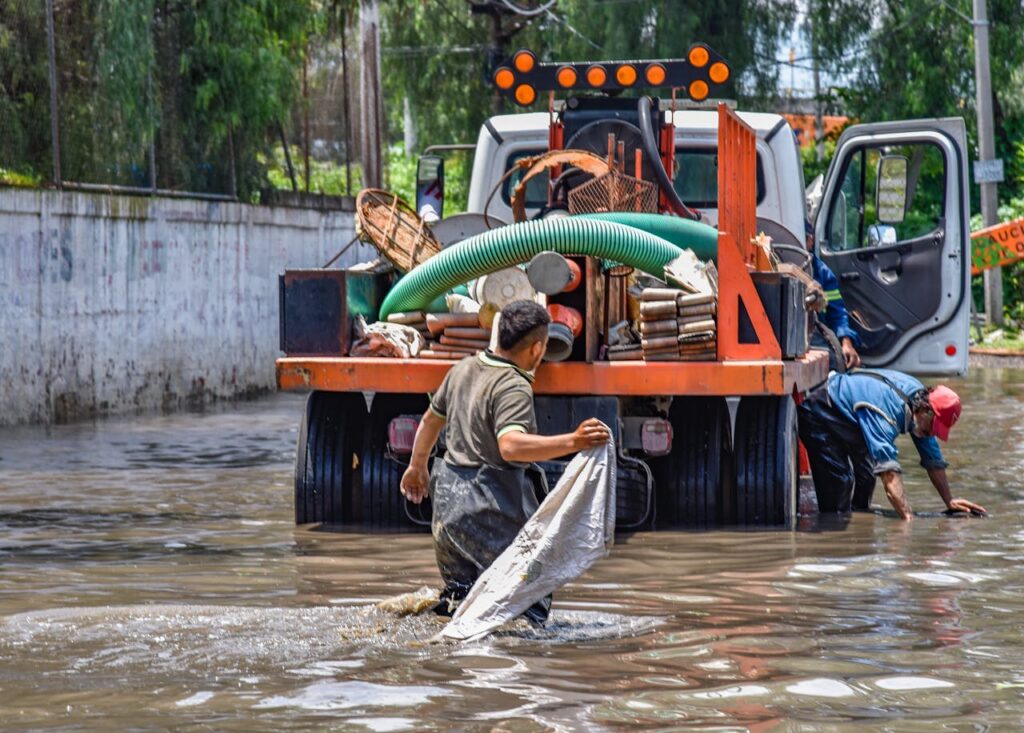
However, understanding reliable facts about floods has become increasingly important. As severe flooding continues affecting communities across the united states and around the world. When residents recognize the power of water and the speed at which flood waters can spread, safer decisions are more likely to be made during emergencies.
Moreover, awareness of flood facts allows individuals to prepare homes, protect electrical systems, and reduce the risk of floods through early planning. And improved communication with emergency services.
Therefore, proactive preparation supported by organizations such as the federal emergency management agency plays a critical role in minimizing significant damage during extreme weather events.
Additionally, lessons learned from historical disasters such as hurricane katrina continue guiding improvements in coastal defences and evacuation planning strategies. As a result, communities are becoming more resilient against severe flooding and related natural disasters.
Similarly, ongoing research from organizations like national geographic and monitoring from the national weather service continue expanding our understanding of flood risk patterns and prevention strategies. Consequently, individuals who remain informed are better equipped to protect families, homes, and neighbourhoods from future flood events.
Importantly, these facts about floods demonstrate that awareness, preparation, and community cooperation remain the strongest tools available for reducing loss of life and property damage during major floods.
If it’s not too much trouble, I’d recommend reading this article Facts About Blizzards. You’ll love it.