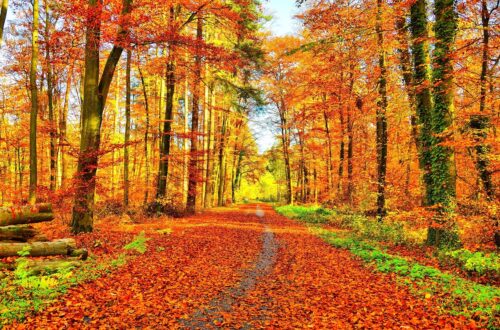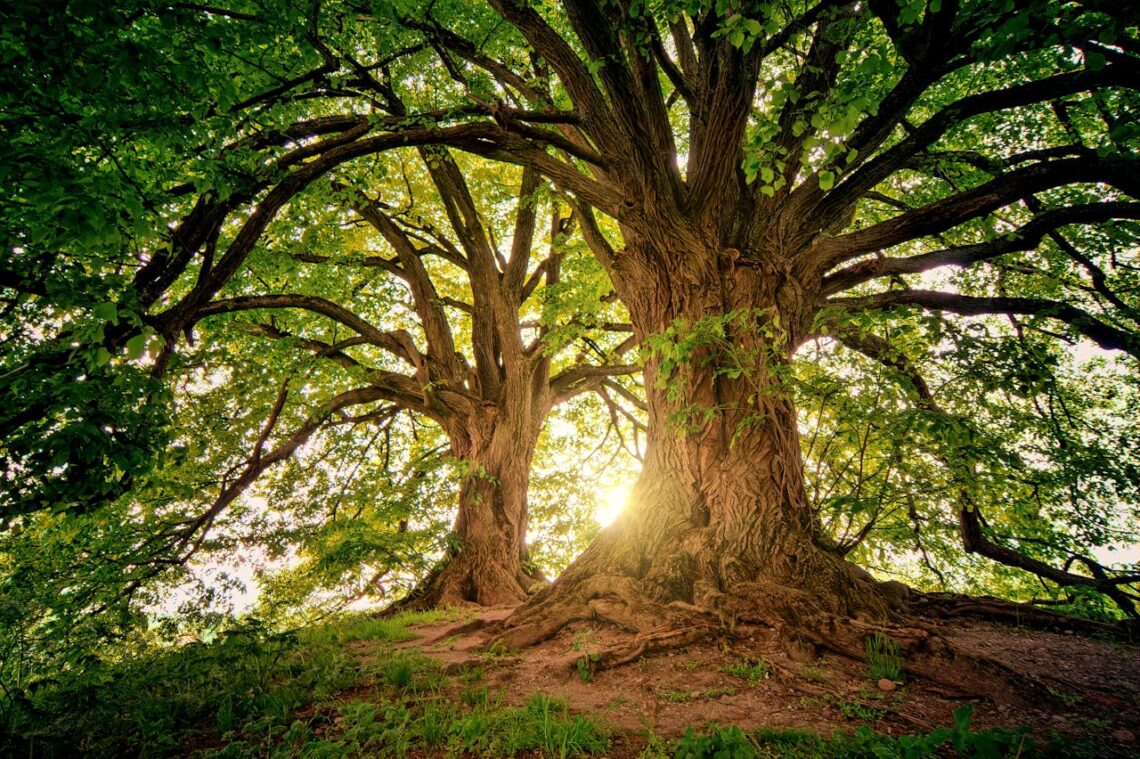
Facts About Tree: Know Nature’s Most Powerful Living Giants
Facts About Tree Introduction
Across the natural world, countless facts about tree continue to inspire scientists, conservationists, and everyday nature lovers alike. Trees are not simply background features of landscapes; instead, they are recognized as vital life-support systems that influence climate change, biodiversity, and human wellbeing. Through centuries of observation, remarkable discoveries have been documented about their structure, longevity, and ecological importance.
Moreover, the importance of trees has increasingly been emphasized in recent years as environmental challenges have intensified worldwide.
Forest ecosystems have been shown to regulate the water cycle, store much carbon in their tissues, and support thousands of animal species that depend on them for survival. Consequently, understanding facts about tree allows a deeper appreciation of how forests sustain life across continents.
Additionally, mature trees have been identified as critical contributors to reducing carbon dioxide levels in the atmosphere. A single tree can absorb surprising amounts of pollution while also releasing oxygen that supports human health. Therefore, their preservation has become closely connected with global efforts to address climate change.
Furthermore, fascinating discoveries about tree rings have revealed hidden stories about drought, heavy rain, volcanic eruptions, and shifting temperatures over thousands of years. These natural archives are studied carefully by scientists seeking to reconstruct environmental history.
Facts About Tree
Importantly, emotional benefits are also associated with trees. Exposure to green environments has been linked to improved mental health. Reducing blood pressure and enhanced mental wellbeing in urban areas. As a result, shade trees and native tree species are increasingly planted in cities to improve quality of life.
Meanwhile, a growing field of research shows that forests communicate through airborne chemical signals. And underground root system connections supported by soil fungi and mycorrhizal fungi. These discoveries have reshaped how relationships among trees are understood.
Ultimately, many facts about tree demonstrate that they are among the longest living organisms on Earth. Some ancient trees have survived since the Jurassic period, making them silent witnesses to planetary transformation across millions of years.
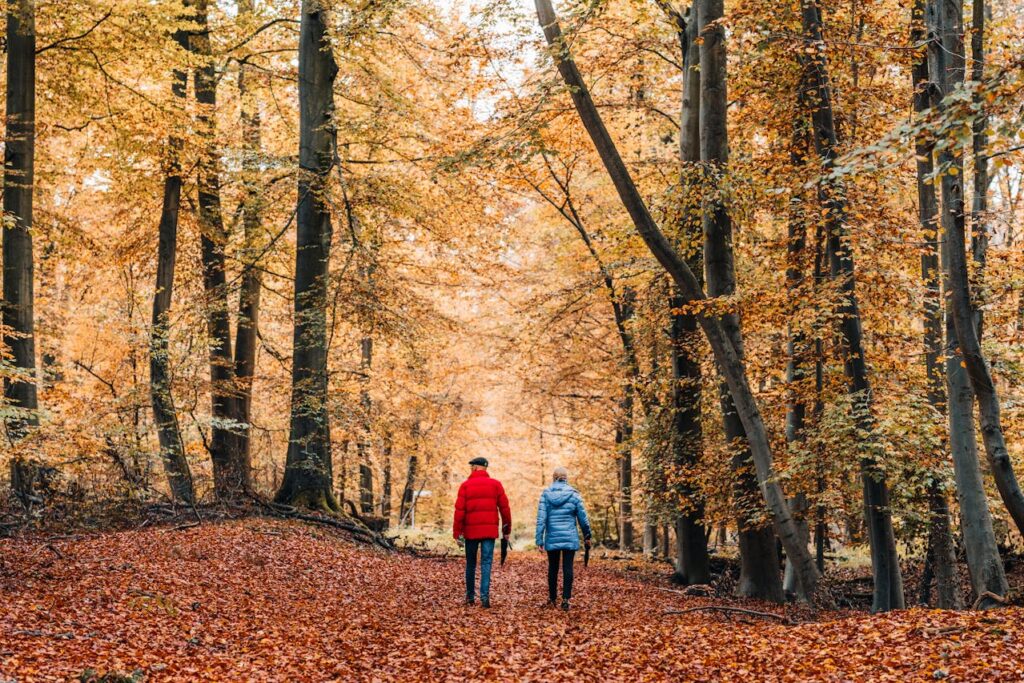
Snippet Section: Key Facts About Tree
The following facts about tree summarize essential scientific insights supported by global research:
- Trees absorb carbon dioxide and store much carbon in their tree trunk, branches, and tree roots.
- A single tree can release enough oxygen annually to support multiple people.
- Tree rings, including a light ring and dark ring, record environmental conditions year by year.
- The bristlecone pine is considered one of the world’s oldest trees and a candidate for the most ancient living tree.
- According to the u.s. forest service, one acre of trees can intercept thousands of gallons of water during heavy rain.
Fact and Source:
One acre of trees can intercept up to 15,000 gallons of water annually. Helping regulate the water cycle (Source: us forest service).
Therefore, these verified facts about tree highlight their essential ecosystem service across the planet.
The Importance of Trees in the Natural World
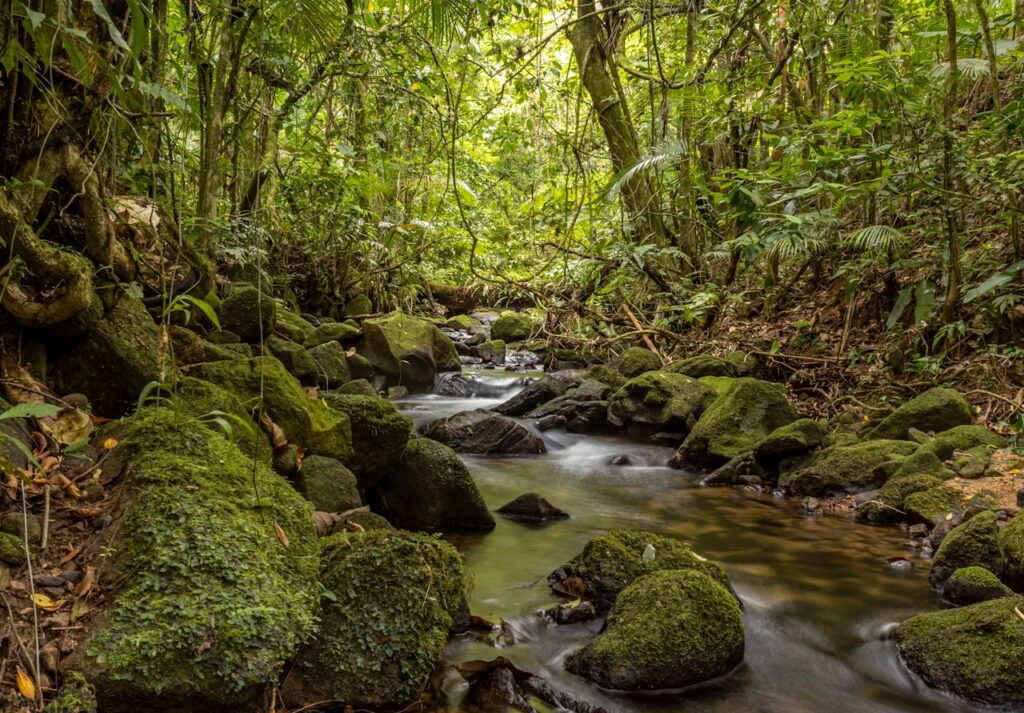
Across ecosystems worldwide, facts about tree consistently demonstrate their important role in sustaining environmental balance. Forest landscapes are shaped by both ancient trees and younger trees that contribute differently to ecological stability.
Additionally, trees are known to regulate fresh water availability by stabilizing inches of soil and preventing erosion during storms. Their deep roots allow underground reservoirs to be replenished naturally.
Furthermore, old-growth forests are recognized as biodiversity hotspots where half of all tree species support interconnected plant and animal communities. These habitats are especially important in regions such as the amazon rainforest and temperate rainforest zones of the northern hemisphere.
Consequently, the importance of trees extends beyond environmental stability to include protection for endangered animal species and preservation of broader plant diversity trends.
Moreover, airborne chemical signals released by leaf-eating insects have been shown to trigger defensive responses in nearby trees. As a result, caterpillar-eating birds are often attracted to affected areas, demonstrating complex ecological cooperation within forest systems.
Similarly, mother trees have been identified as central communication hubs that transfer nutrients through soil fungi networks to younger trees growing nearby.
Therefore, facts about tree reveal that forests function not as isolated individuals but as cooperative living communities supporting life across the natural world.
Tree Rings Reveal Earth’s Environmental History
Remarkably, facts about tree rings have been used by scientists to reconstruct thousands of years of environmental change across continents. Each year of growth is preserved within visible growth rings that appear inside the tree trunk, allowing climate patterns to be studied with remarkable precision.
Additionally, a light ring is formed during seasons when most sunlight and abundant fresh water are available for rapid growth. In contrast, a dark ring develops during slower growth periods influenced by colder temperatures or limited moisture availability. Consequently, these natural records provide valuable insight into heavy rain cycles, drought periods, and even volcanic eruptions that affected ancient landscapes.
Furthermore, tree rings from ancient trees have revealed evidence of climate change patterns that occurred long before modern measurement tools existed. These records are considered essential for understanding long-term environmental shifts within the natural world.
Similarly, some of the world’s oldest trees have preserved thousands of years of environmental information within their trunks. The bristlecone pine, widely studied in the northern hemisphere, has been identified as one of the longest living organisms on Earth and a candidate for the most ancient living tree.
Moreover, the most ancient living tree specimens have survived extreme environmental changes across millennia, offering unique perspectives on broader plant diversity trends. Therefore, facts about tree rings continue to support scientific understanding of global ecological history.
Importantly, these discoveries have strengthened awareness of how forests respond to climate change over time, allowing researchers to predict how younger trees may adapt in the future.
The World’s Oldest Trees and Longest Living Organisms
Across continents, facts about tree longevity have revealed astonishing survival stories among the longest living organisms ever recorded. Certain species of tree have lived for thousands of years while continuing to support surrounding ecosystems.
Notably, the bristlecone pine has been recognized as one of the world’s oldest trees and an example of the most ancient living tree still standing today. These ancient trees are often found growing in harsh mountainous environments where competition from other plants is limited.
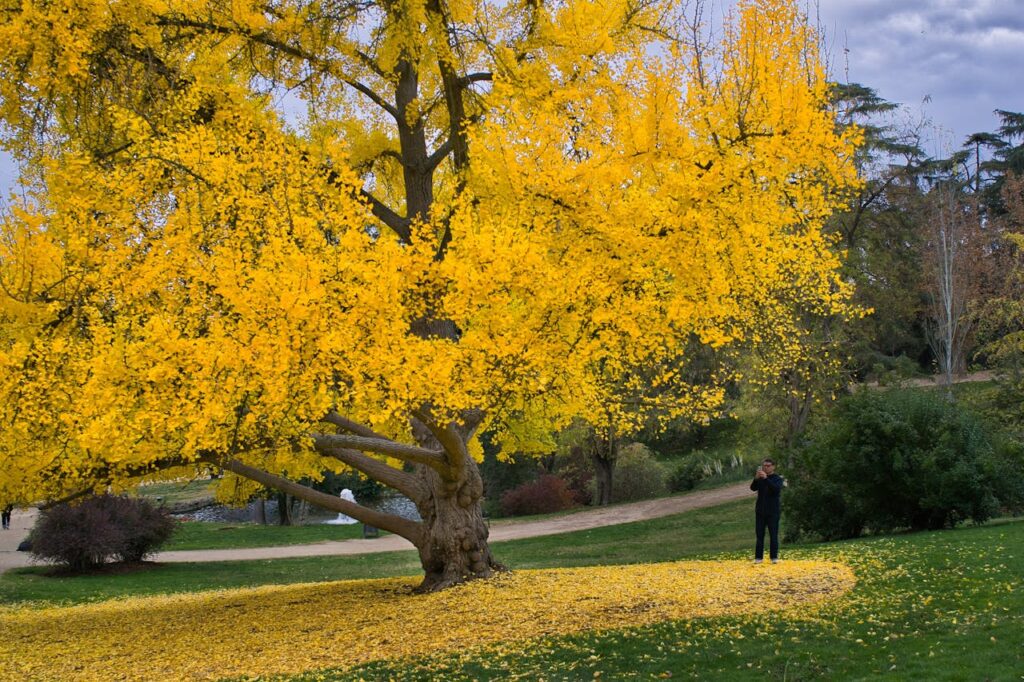
Additionally, the ginkgo tree has survived since the Jurassic period and is considered a living fossil among middle mesozoic trees. Because of its resilience, the ginkgo tree continues to be planted widely in urban areas where pollution resistance is required.
Similarly, the giant sequoia tree, including the famous General Sherman specimen, represents one of the largest living organisms ever measured by volume. The giant sequoia tree is also closely related to the tallest soft wood trees known today.
Furthermore, the world’s tallest tree species, including certain pine trees and other evergreen trees, have been documented reaching extraordinary heights in protected forest regions. These towering individuals demonstrate how a large tree can dominate its surrounding ecosystem through access to most sunlight resources.
Meanwhile, the strangler fig has been observed growing around host plants before eventually replacing them, illustrating complex survival strategies among tropical species.
Consequently, facts about tree longevity demonstrate that forests contain living organisms that have endured environmental changes across thousands of years.
Tree Roots and Underground Forest Communication Networks
Beneath the forest floor, fascinating facts about tree roots have transformed scientific understanding of how forests function as cooperative systems rather than isolated individuals.
Importantly, tree roots extend deep roots into the soil where nutrients and fresh water are absorbed and redistributed throughout the plant. In addition, root tips interact with soil fungi and mycorrhizal fungi that help transport minerals between trees growing nearby.
Furthermore, mother trees have been identified as central organizers within underground communication systems that support younger trees during early development stages. Nutrients are transferred through shared fungal networks, ensuring survival during periods of environmental stress.
Additionally, airborne chemical signals released by damaged leaves have been shown to alert neighboring trees about threats caused by leaf-eating insects. As a result, defensive responses are activated across entire forest communities.
Similarly, caterpillar-eating birds are often attracted to areas where trees release warning signals, creating a natural partnership that protects native tree species from widespread damage.
Therefore, facts about tree root system interactions reveal a deep-rooted reliance between trees, soil fungi, and animal species that contributes to forest stability.
Moreover, these discoveries highlight the important role played by underground biological networks in maintaining healthy ecosystems across the natural world.
If you have some free time, it might be helpful to check out this article 35+ Amazing Facts About Deciduous Forests You Need to Know. It covers some relevant points.
Trees and Climate Change: Natural Defenders of the Planet
Across the natural world, facts about tree ecosystems have been closely linked with efforts to reduce climate change impacts. Forest environments are recognized as powerful carbon storage systems that remove carbon dioxide from the atmosphere and stabilize global temperatures.
Additionally, mature trees have been identified as especially valuable in storing much carbon because their large tree trunk structures accumulate biomass over decades or even centuries. Consequently, preserving old-growth forests has been considered essential for maintaining environmental balance.
Furthermore, a single tree can absorb significant quantities of carbon dioxide throughout its lifetime while also producing oxygen that supports surrounding animal species and human populations. Therefore, planting new trees has become an important strategy in global climate restoration programs.
Similarly, the amazon rainforest has been described as one of the most important carbon storage regions on Earth. Large areas within this ecosystem continue to regulate rainfall patterns across continents while protecting broader plant diversity trends.
Meanwhile, evergreen trees and deciduous trees both contribute differently to the water cycle by regulating evaporation and precipitation through their leaves. These processes ensure that fresh water availability is maintained across ecosystems influenced by seasonal change.
Moreover, shade trees planted in urban areas have been shown to reduce temperatures during heatwaves and decrease energy consumption in nearby buildings. As a result, climate adaptation strategies increasingly include expanding native trees within cities.
Importantly, one acre of trees has been observed intercepting thousands of gallons of water during heavy rain events, reducing flooding risks and improving soil stability. Consequently, the ecosystem service provided by forests continues to be recognized as essential for protecting communities worldwide.
Therefore, facts about tree ecosystems clearly demonstrate that forests remain among the most effective natural solutions for climate change mitigation.
Trees Improve Mental Health, Property Value, and Urban Living Conditions
Within urban areas, facts about tree benefits have been increasingly supported by scientific research linking green spaces with improved mental health outcomes. Exposure to natural environments has been associated with reduced stress levels and enhanced mental wellbeing among residents.
Additionally, measurable reductions in blood pressure have been recorded in individuals who spend time near large tree canopies or walk through forested parks. Consequently, planting native tree species in cities has been encouraged as a public health strategy.
Furthermore, shade trees have been shown to reduce noise pollution levels by absorbing sound waves generated by traffic and industrial activity. As a result, residential neighborhoods with established tree cover often provide calmer living environments.
Similarly, research has demonstrated that the presence of a single tree planted near a home can increase property value by improving landscape attractiveness and environmental comfort.
Meanwhile, maple trees, oak trees, apple trees, and palm trees are frequently selected as decorative and functional additions to community spaces because they provide seasonal beauty and environmental protection.
Moreover, the sugar maple has been valued not only for its ecological contribution but also for its economic importance through syrup production. Therefore, facts about tree species reveal both cultural and environmental significance.
Importantly, growing field of research shows that access to green spaces contributes positively to emotional stability and long-term mental health outcomes.
Consequently, the importance of trees within urban planning continues to expand as cities recognize the benefits of sustainable landscape design.
If it’s not too much trouble, I’d recommend reading this article 54 Great Facts About Plantae: Change the Way You See Plants. It could add some valuable context to our discussion.
Rare and Unique Tree Species Around the World
Across continents, fascinating facts about tree diversity highlight extraordinary adaptations that allow species of tree to survive in challenging environments.
Notably, papua new guinea has been identified as the single country with the highest totals of native tree species relative to its size. These forests support remarkable biodiversity and represent critical conservation priorities.
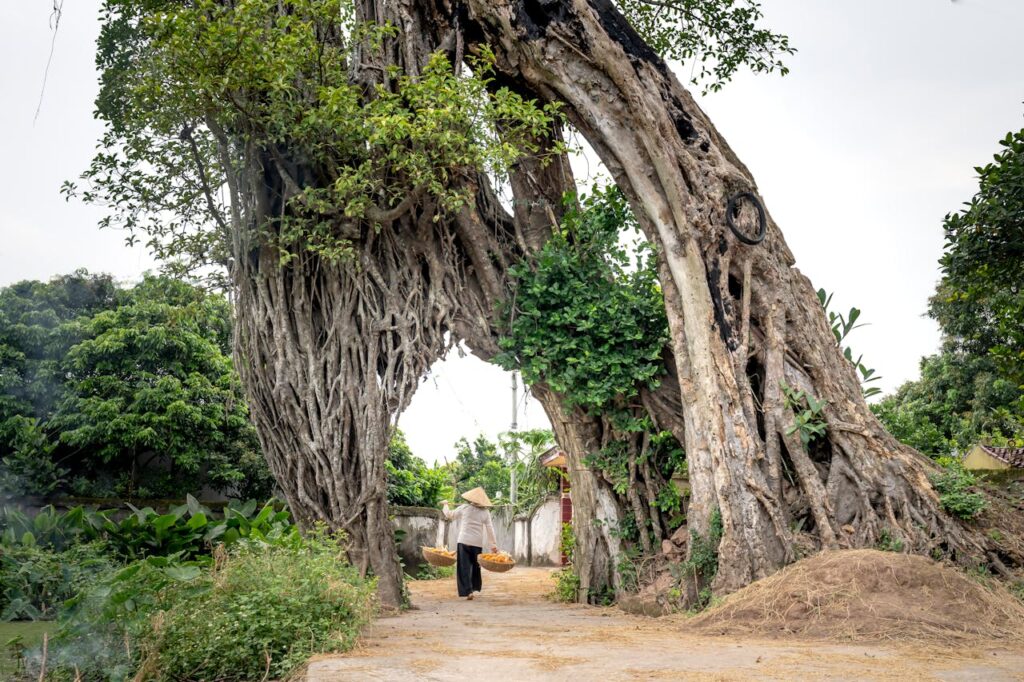
Additionally, the strangler fig has been observed developing around host plants. Before gradually replacing them through natural competition for sunlight and nutrients.
Furthermore, the ginkgo tree has survived environmental changes since the Jurassic period. It continues to thrive in modern urban environments due to its resistance to pollution and disease.
Similarly, moon trees represent one of the most unusual tree facts in modern history. Seeds carried into space during early lunar missions were later planted on Earth by the u.s. forest service. Creating symbolic living reminders of human exploration.
Meanwhile, the giant sequoia tree remains one of the largest living organisms by volume. With General Sherman recognized as one of the most famous examples of a large tree still growing today.
Moreover, the world’s tallest tree species include several pine trees that dominate forest canopies in temperate rainforest environments of the northern hemisphere.
Consequently, facts about tree diversity illustrate how forests contain some of the most extraordinary living organisms within the natural wor
Tree Biodiversity and the Global Distribution of Species
Across continents, remarkable facts about tree diversity have been documented through scientific collaboration and international ecological surveys.
Forest ecosystems are known to contain an extraordinary number of species of tree. These contribute to environmental stability and biodiversity protection worldwide.
Additionally, a thorough global census of tree species conducted with support from the international union of conservation scientists revealed that nearly half of all tree species exist within tropical regions. These findings have helped researchers understand broader plant diversity trends shaping the natural world.
Furthermore, papua new guinea has been identified as one of the regions containing the most country-endemic tree species. Meaning many native trees found there exist nowhere else on Earth. Consequently, conservation efforts in this single country have been recognized as critically important for protecting global biodiversity.
Similarly, the amazon rainforest continues to hold the highest totals of native tree species compared with any other forest region. These ecosystems support thousands of animal species and play an important role in stabilizing climate patterns across continents.
Moreover, native tree species in temperate rainforest environments of the northern hemisphere have been observed supporting diverse ecosystems. These include mosses, fungi, insects, and birds working together within complex forest communities.
Importantly, old-growth forests have been shown to contain ancient trees that support younger trees through shared nutrient networks created by soil fungi and mycorrhizal fungi. As a result, the ecological importance of preserving mature trees has been emphasized in conservation strategies developed in recent years.
Therefore, facts about tree biodiversity clearly demonstrate that forests remain essential for sustaining life across the natural world.
Ancient Trees, Evolution, and Survival Through Geological Time
Throughout Earth’s long history, astonishing facts about tree evolution have revealed how forests survived dramatic environmental change across millions of years. Evidence preserved in fossil records shows that middle mesozoic trees dominated landscapes during the Jurassic period before flowering plants became widespread.
Additionally, the ginkgo tree has been recognized as one of the few surviving representatives of ancient trees that once covered large portions of prehistoric continents. Because of its resilience, the species continues to be planted widely in modern cities.
Furthermore, the bristlecone pine has been identified among the longest living organisms still alive today. Some individuals have survived extreme environmental conditions for thousands of years. Making them candidates for the most ancient living tree ever studied.
Similarly, the world’s oldest trees have endured heavy rain, drought cycles, volcanic eruptions, and climate shifts across millennia. Consequently, their continued survival has provided scientists with valuable insight into long-term environmental adaptation.
Meanwhile, the giant sequoia tree, including the famous General Sherman specimen, has demonstrated how a large tree can persist for centuries while continuing to support surrounding ecosystems.
Moreover, ancient trees play an important role in supporting biodiversity. Because their large trunk cavities provide shelter for animal species and nesting sites for birds.
Therefore, facts about tree evolution reveal that forests have remained resilient across geological time and continue to influence environmental stability today.
Tree Ecosystem Services and Their Role in Supporting Life
Across ecosystems worldwide, essential facts about tree ecosystem service contributions have highlighted how forests sustain both wildlife and human communities.
Additionally, tree roots help stabilize inches of soil during heavy rain events, preventing erosion and protecting freshwater systems from sediment contamination. Consequently, forests contribute directly to maintaining clean fresh water supplies.
Furthermore, leaves and branches intercept rainfall and release moisture gradually into the water cycle. Ensuring that underground reservoirs are replenished naturally.
Similarly, airborne chemical signals released by trees have been shown to warn nearby plants about attacks from leaf-eating insects. As a result, caterpillar-eating birds are attracted to affected areas, helping control insect populations naturally.
Moreover, willow bark extracted from certain tree species has historically been used in medicine. Because it contains compounds related to modern pain-relief treatments.
Importantly, sound waves produced by dense forest vegetation reduce noise pollution in both rural landscapes and urban areas. Consequently, planting shade trees has been encouraged as part of sustainable city planning strategies.
Meanwhile, mother trees have been observed transferring nutrients through underground fungal networks to support younger trees during early growth stages.
Therefore, facts about tree ecosystem service functions clearly demonstrate that forests maintain environmental balance. While supporting biodiversity, climate regulation, and human wellbeing across the natural world.
Fun Facts About Tree Growth, Culture, and Global Conservation
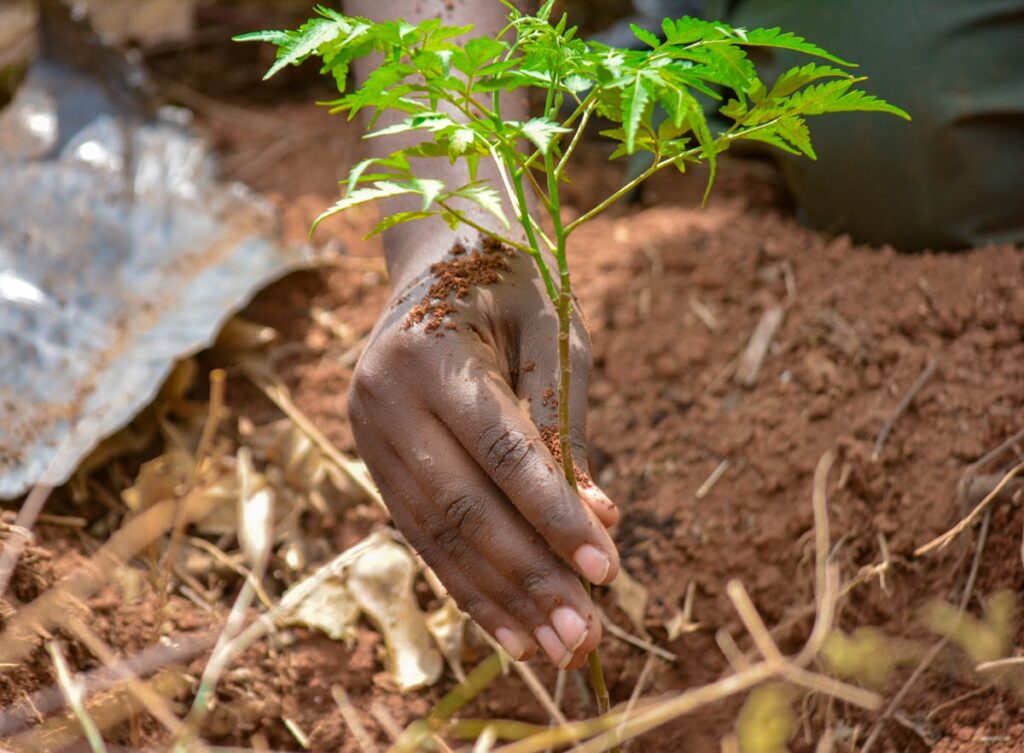
Interestingly, many fun facts about tree traditions have been connected with cultural celebrations that honor forests and environmental stewardship worldwide. Arbor Day, for example, has been widely observed in many countries as an opportunity to plant new trees and promote awareness about the importance of trees in sustaining life on Earth.
Additionally, the best time for planting native trees is generally considered to be during cooler seasons. When soil moisture is naturally retained and root system development can occur more efficiently. Consequently, stronger growth outcomes are often achieved when planting is carefully timed.
Furthermore, maple trees and oak trees have been valued for centuries because their wood supports construction, furniture making, and ecological restoration efforts. As a result, these native tree species continue to play an important role in both environmental protection and human livelihoods.
Similarly, evergreen trees remain green throughout the year, allowing them to continue absorbing carbon dioxide even during colder months. Therefore, their contribution to climate regulation has been recognized as especially valuable in the northern hemisphere.
Moreover, palm trees have adapted to tropical environments where fresh water availability can vary significantly across seasons. Consequently, these species demonstrate the remarkable resilience found across global forests.
Importantly, apple trees have also contributed to agricultural sustainability while supporting pollinators that protect biodiversity. Therefore, facts about tree cultivation highlight how forests and orchards remain interconnected parts of the natural world.
Ultimately, these interesting facts about tree traditions and adaptations demonstrate that conservation awareness must continue expanding in recent years as environmental pressures increase worldwide.
Frequently Asked Questions About Trees
Why are trees important for climate change?
Additionally, facts about tree ecosystems show that forests absorb carbon dioxide, store much carbon, and stabilize the water cycle, making them essential for reducing climate change impacts.
What can tree rings tell scientists about the past?
Furthermore, facts about tree rings reveal evidence of heavy rain cycles, drought periods, volcanic eruptions, and temperature changes recorded within growth rings over centuries.
Which tree is considered the oldest living organism?
Similarly, the bristlecone pine has often been identified among the world’s oldest trees and may represent the most ancient living tree still growing today.
How does a single tree benefit people living nearby?
Moreover, a single tree can improve mental health, reduce blood pressure, lower noise pollution, increase property value, and provide shade that supports mental wellbeing.
Why are old-growth forests important for biodiversity?
Importantly, facts about tree ecosystems confirm that old-growth forests support animal species, soil fungi networks, younger trees, and broader plant diversity trends essential for ecological balance.
Conclusion
In conclusion, powerful facts about tree ecosystems continue to reveal how forests sustain life across the planet. While supporting both environmental stability and human wellbeing. Trees have been shown to regulate climate change, strengthen the water cycle, protect inches of soil. Also providing habitats for countless animal species within the natural world.
Additionally, ancient trees such as the bristlecone pine and giant sequoia tree have demonstrated extraordinary resilience across thousands of years. Reminding us that forests are among the longest living organisms on Earth. Consequently, their preservation has become increasingly important as environmental pressures intensify in recent years.
Furthermore, the importance of trees has been recognized not only through scientific research but also through cultural traditions. Such as Arbor Day that encourage communities to plant new trees and protect native tree species. Therefore, meaningful conservation efforts can be supported by individuals, organizations, and governments working together globally.
Ultimately, facts about tree ecosystems confirm that forests remain essential partners in protecting biodiversity, improving mental health, storing carbon dioxide, and sustaining life for future generations.
I’d really appreciate it if you could read this article Interesting Facts About Plants when you have a moment. You’ll love it!