
Best 32 Facts About Bearded Dragons and Their Unique Traits
Facts About Bearded Dragons
Bearded dragons have been admired by reptile enthusiasts for many years because of their calm personalities, unique appearance, and entertaining behaviors. Additionally, these adorable reptile companions have become some of the most popular reptile pets in the continental United States, the United Kingdom, and many other parts of the world. While many pet owners already adore these pet dragons, countless fascinating facts about bearded dragons are still being discovered in recent years.
Originally, wild bearded dragons were found in arid environments throughout Australia. However, due to the pet trade and the export of beardies decades ago, these unique species eventually became beloved animal companions in homes worldwide. Today, the central bearded dragon, scientifically known as Pogona vitticeps, is considered one of the best reptile pets for beginners and experienced keepers alike.
Furthermore, facts about bearded dragons reveal that these larger lizards possess surprising intelligence, emotional responses, and even communication skills. Their famous head bobs, beardie spikes, and color changes have fascinated scientists and pet owners alike. Because proper care is required for longer lifespans, understanding these intriguing facts can greatly improve the health and happiness of pet beardies.
Quick Snippet: Facts About Bearded Dragons
- Bearded dragons are native to Australia and thrive in arid environments.
- Their scientific name is pogona vitticeps.
- A third eye called the parietal eye helps detect light and movement.
- Bearded dragon venom exists but is harmless to humans.
- They communicate through head bobbing and body language.
- Adult beardie pets can live 4-10 years or more with proper care.
- They are fast runners and can sprint using their hind legs.
- Wild counterparts survive on live insects, vegetation, and small prey.
Fact Source: National Geographic reports that bearded dragons use body language such as head bobs and arm waving to communicate with other reptiles.

Why Are Facts About Bearded Dragons So Interesting?
Interestingly, facts about bearded dragons continue to surprise even longtime reptile zoo experts and veterinarians. Unlike many other reptiles, these charming reptile pets often form a strong attachment to their owners. Consequently, many keepers describe them as excellent pets with surprisingly friendly personalities.
Additionally, their appearance alone makes them stand out in the animal realm. Their spiny skin, beardie spikes, black colour displays, and unusual head shapes create a prehistoric appearance that reptile enthusiasts deeply admire. Meanwhile, the optimistic side of a bearded dragon is often seen when it calmly interacts with humans or relaxes under a heat lamp.
They Have a “Third Eye” on Top of Their Heads
One of the most fascinating facts about bearded dragons involves their mysterious third eye. Scientifically, this photo-sensory organ is known as the parietal eye. Although images cannot be formed by this eye, movement, shadows, and changes in light can still be detected.
As a result, wild bearded dragons can quickly sense predators approaching from above. Furthermore, this defense mechanism helps protect the entire body from dangerous attacks in the wild lizard environment.
Their Beards Change Color During Emotional Moments
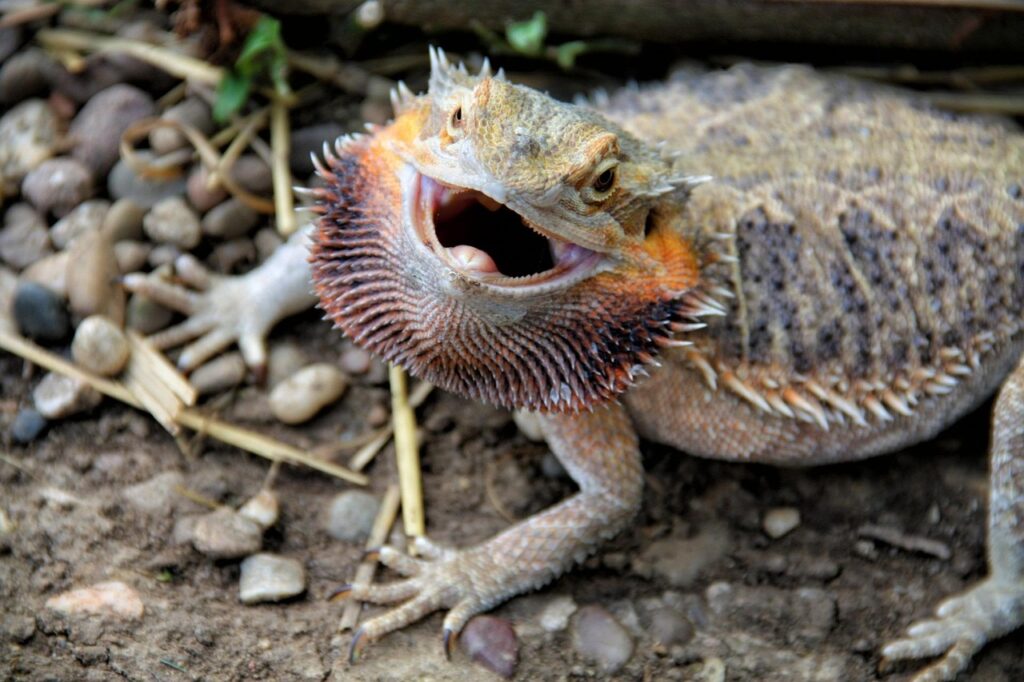
Another one of the entertaining facts about bearded dragons involves the color of their wattles. When stress, fear, or excitement is experienced, the man’s beard-like throat area may turn a deep black colour.
Similarly, head bobbing and slower head movements are often displayed during communication with other dragons. In some cases, a slow bob may signal submission, while stronger head bobs can show dominance. Therefore, facts about bearded dragons demonstrate that these reptiles have a surprisingly advanced communication system.
They Can Run Surprisingly Fast
Although these pet dragons are often seen lounging peacefully, facts about bearded dragons show that they are actually fast runners. Their powerful back legs and hind legs allow sudden bursts of speed when predators appear.
In the wild, their back legs are sometimes used to briefly sprint across hot terrain. Consequently, survival in harsh Australian climates has been made possible for this unique species.
Essential Bearded Dragon Care Tips for Longer Lifespans
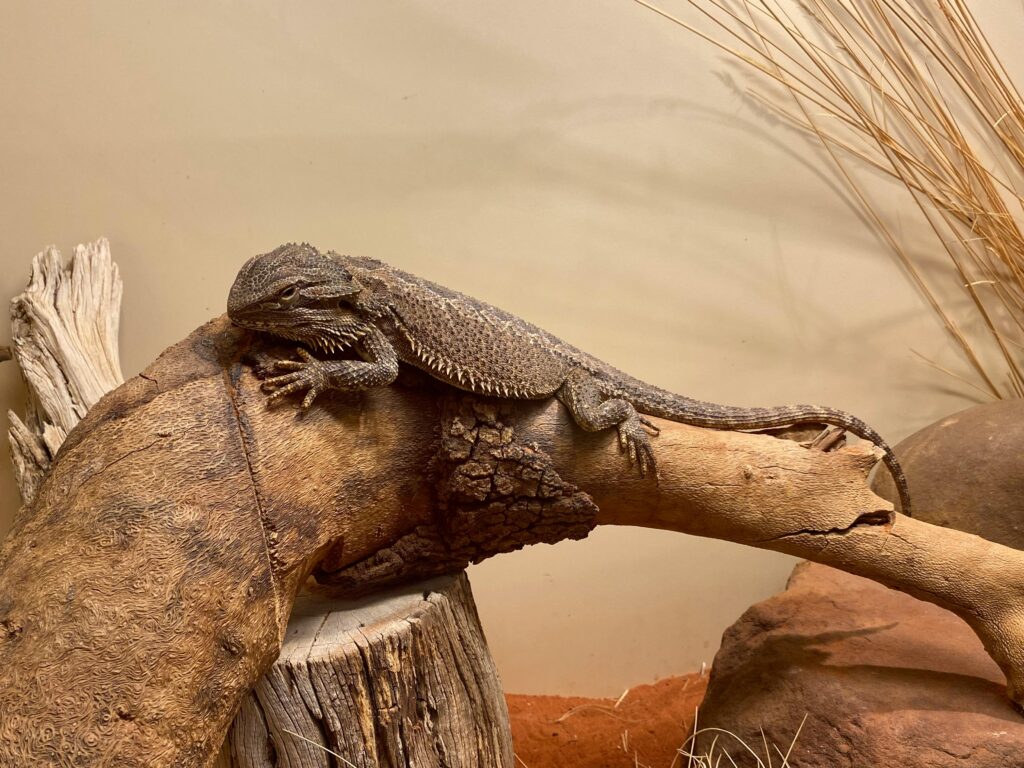
Proper bearded dragon care is considered one of the most important aspects of keeping these popular pets healthy and comfortable. Although facts about bearded dragons often focus on their entertaining personalities, their health requirements should never be ignored.
Additionally, many new owners underestimate the amount of effort required to maintain suitable living conditions. Because these charming reptile companions originate from harsh Australian deserts, special habitat conditions must be recreated inside the home.
A Proper Habitat Requires Heat and Space
Firstly, a lot of space should always be provided for pet dragons. Small tanks are commonly sold in pet stores, but larger enclosures are strongly recommended for adult beardie reptiles.
Furthermore, a heat lamp is absolutely necessary because body temperature regulation depends entirely on external heat sources. Without proper warmth, digestion and immune function may become severely affected.
Generally, habitat temperatures should include:
| Habitat Area | Recommended Temperature |
|---|---|
| Basking Spot | 95–110°F |
| Cool Side | 75–85°F |
| Night Temperature | 65–75°F |
Meanwhile, proper water level management is also important. Although these reptiles originate from arid environments, dehydration may still occur if fresh water is not consistently available.
UVB Lighting Is Critical for Bone Health
Another one of the essential facts about bearded dragons involves ultraviolet lighting. UVB rays are needed for calcium absorption and healthy bone development.
Without proper UVB exposure, metabolic bone disease may develop. Consequently, weak limbs, deformities, and frequent illnesses can occur over time.
Additionally, lighting systems should be replaced regularly because UVB output weakens gradually even when bulbs still produce visible light.
Common Signs of Sickness Should Never Be Ignored
Many reptile enthusiasts become worried when unusual symptoms appear in their pet beardies. Fortunately, facts about bearded dragons can help owners identify warning signs early.
Common signs of sickness include:
- Loss of appetite
- Lethargy
- Swollen joints
- Weight loss
- Dark stress coloration
- Difficulty moving back legs or hind legs
Therefore, veterinary care should immediately be arranged if these symptoms are observed. According to many vet shares online, early treatment often leads to better recovery outcomes.
Wild Bearded Dragons Versus Pet Beardies
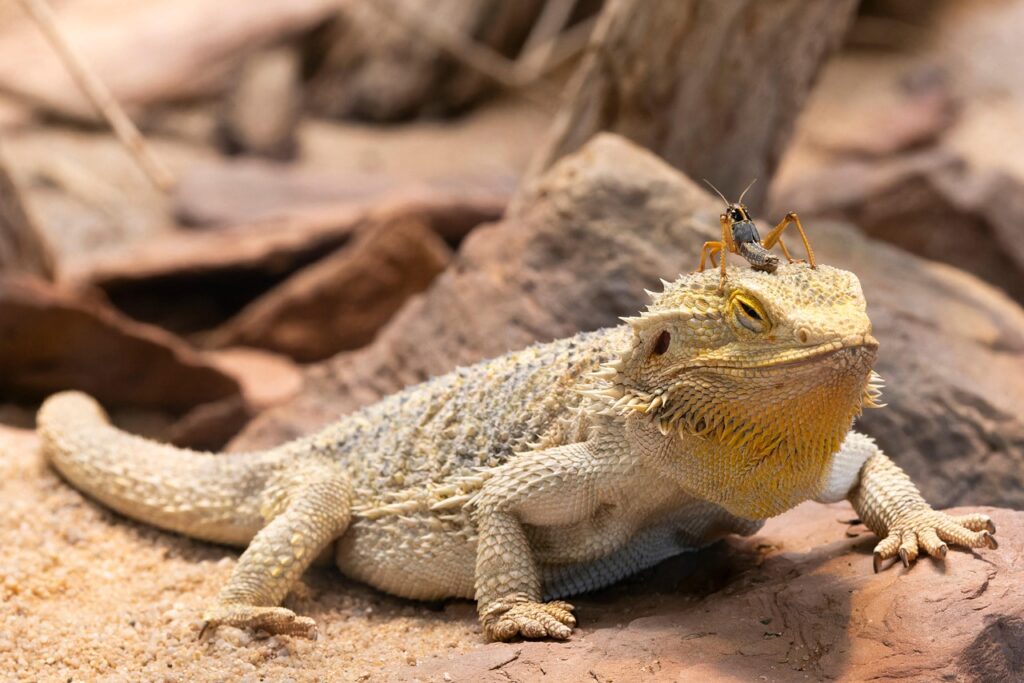
Although pet dragons have adapted well to captivity, wild counterparts continue to face challenges in their natural environment. Furthermore, facts about bearded dragons reveal major differences between captive and wild populations.
Wild Bearded Dragons Face Harsh Survival Conditions
In Australia, wild bearded dragons survive in dry deserts, woodlands, and scrublands. Because food supplies are sometimes limited, survival skills are essential.
Additionally, wild lizard populations must avoid predators such as birds, snakes, and larger lizards. Consequently, their defense mechanism behaviors are used regularly.
Fast runners that can quickly escape danger are more likely to survive in the wild. Therefore, powerful back legs and rapid movement remain extremely valuable traits.
The Pet Trade Changed Their Global Popularity
Interestingly, facts about bearded dragons show that the export of its wildlife dramatically increased global demand decades ago. Because the export of beardies became highly profitable, the trading of wild beardies expanded rapidly.
However, strict regulations were eventually introduced in Australia to protect native wildlife populations. Today, most pet beardies sold worldwide are captive bred rather than wild caught.
Meanwhile, the pet trade helped establish bearded dragons as one of the most popular reptile pets in the continental United States and the United Kingdom. Their calm temperament and manageable size contributed heavily to this popularity.
Strange and Not-So-Fun Facts About Bearded Dragons
Not all facts about bearded dragons are cheerful or adorable. In fact, some surprising realities may shock first-time owners.
Bearded Dragon Venom Actually Exists
One of the more not-so-fun facts about bearded dragons is that mild venom is naturally produced by them. Fortunately, the venom is extremely weak and harmless to humans under normal circumstances.
Scientists believe this trait evolved from ancient reptilian ancestors. However, dangerous effects are rarely experienced unless allergic reactions occur.
Fireflies Can Be Deadly
As mentioned earlier, fireflies’ bodies contain toxins that are extremely dangerous to pet dragons. Shockingly, even half of a firefly may prove fatal if consumed.
Therefore, outdoor feeding should always be monitored carefully. Additionally, random insects collected from unknown areas should never be offered as live food.
Fascinating Facts About Bearded Dragons and Their Lifespan
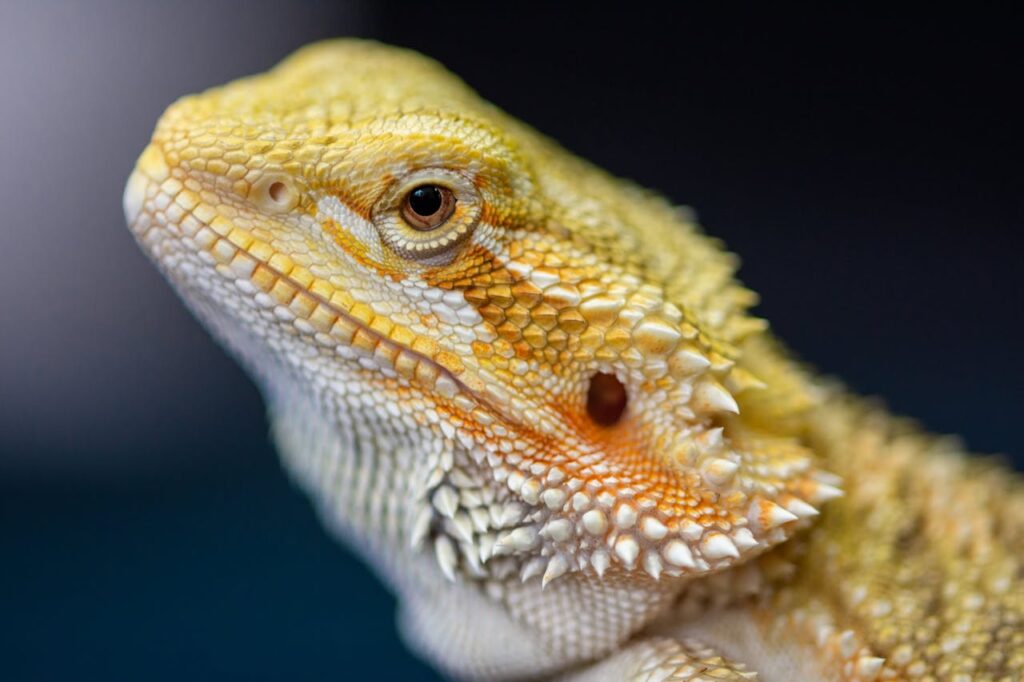
Many owners become emotionally connected to these lovable reptiles because strong bonds are often formed over time. Consequently, one of the most searched facts about bearded dragons involves their lifespan and long-term health.
How Long Do Bearded Dragons Live?
Generally, the average lifespan of a pet beardie ranges between 4-10 years. However, longer lifespans are commonly achieved when excellent beardie care is consistently provided.
Additionally, several important factors influence terms of longevity, including:
- Proper nutrition
- UVB lighting
- Heat regulation
- Stress reduction
- Veterinary care
- Habitat cleanliness
Meanwhile, wild counterparts rarely live as long because harsh outdoor conditions create many dangers. Predators, disease, and food shortages often shorten survival rates among wild bearded dragons.
Young Bearded Dragons Need Extra Attention
Young bearded dragons grow rapidly during the first year of life. Therefore, higher protein intake and more frequent feeding schedules are usually required.
Furthermore, live insects should be dusted with calcium supplements to support healthy bone growth. Because body temperature greatly affects digestion, proper basking temperatures must always be maintained.
Additionally, facts about bearded dragons reveal that younger reptiles may become stressed more easily than mature adults. Consequently, handling should initially be kept gentle and limited.
Unique Scientific Facts About Bearded Dragons
Scientists and reptile zoo researchers continue studying these reptiles because many fascinating discoveries are still being made. As a result, new intriguing facts about bearded dragons have emerged in recent years.
They Use Fragrance Molecules to Explore Their Environment
One of the lesser-known facts about bearded dragons involves scent detection. Tiny fragrance molecules are collected through tongue flicking behaviors and analyzed inside the mouth.
This process helps identify food, threats, and environmental changes. Therefore, these reptiles experience the world in ways humans often fail to understand.
They Can Flatten Their Entire Body
Another amazing survival adaptation involves body expansion. When danger appears, the entire body may become flattened and inflated.
Consequently, the reptile appears much larger and more threatening to predators. Combined with beardie spikes and black colour displays, this defense mechanism becomes highly effective in the wild.
They Are Considered the Ultimate Sun-Lover
Among the most entertaining facts about bearded dragons is their obsession with basking. These reptiles spend large portions of the day absorbing warmth beneath direct sunlight or artificial heating.
Because they are considered the ultimate sun-lover among many reptile species, inadequate heat exposure can quickly cause illness. Therefore, temperature management remains one of the most important responsibilities for every bearded dragon guardian.
Different Types of Beardies Found Today
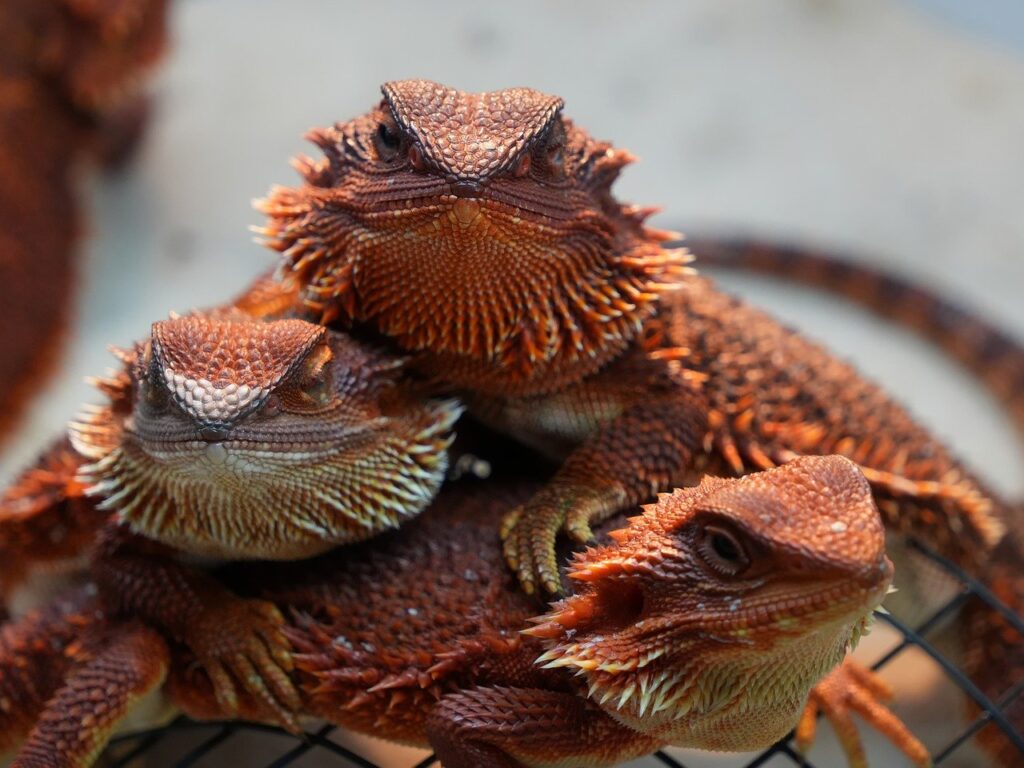
Thanks to selective breeding, many different types of beardies are now available within the reptile community. Additionally, certain morphs have become highly valuable among collectors and reptile enthusiasts.
Popular Morphs and Color Variations
Some commonly recognized morphs include:
- Leatherback
- Hypomelanistic
- Citrus
- Zero Morph
- Translucent
- Dunner
Furthermore, these varieties display different colors, patterns, and scale textures. While some possess smoother skin, others exhibit brighter pigmentation or unusual eye appearance.
Meanwhile, facts about bearded dragons suggest that careful breeding has dramatically expanded their visual diversity in recent years.
Some Bearded Dragons Became Internet Celebrities
Surprisingly, certain pet dragons have gained worldwide attention online. Because social media popularity increased rapidly, many reptiles became famous for unusual behaviors and charming personalities.
Additionally, some beardies were even featured in the Guinness Book of World Records for size, tricks, or social media fame.
As a result, facts about bearded dragons continue spreading across digital platforms, inspiring new reptile lovers globally.
Why Bearded Dragons Make Great Pets
Many first-time reptile owners wonder whether these reptiles are truly suitable companions. Fortunately, facts about bearded dragons strongly support their reputation as good pets.
Their Calm Temperament Makes Them Beginner-Friendly
Unlike some aggressive reptiles, bearded dragons are usually calm and tolerant when handled correctly. Consequently, they are frequently recommended as excellent pets for families and beginners.
Additionally, these reptiles rarely bite when trust and proper care are established. Their relaxed personalities also make them enjoyable for educational programs and reptile zoo exhibits.
They Display Surprisingly Emotional Behaviors
Although reptiles are often viewed as unemotional creatures, facts about bearded dragons reveal more complex behaviors than many people expect.
For example, stress, curiosity, comfort, and excitement may all be expressed through posture, color changes, and movement patterns. Therefore, owners often develop deep affection for these animal companions over time.
Frequently Asked Questions About Facts About Bearded Dragons
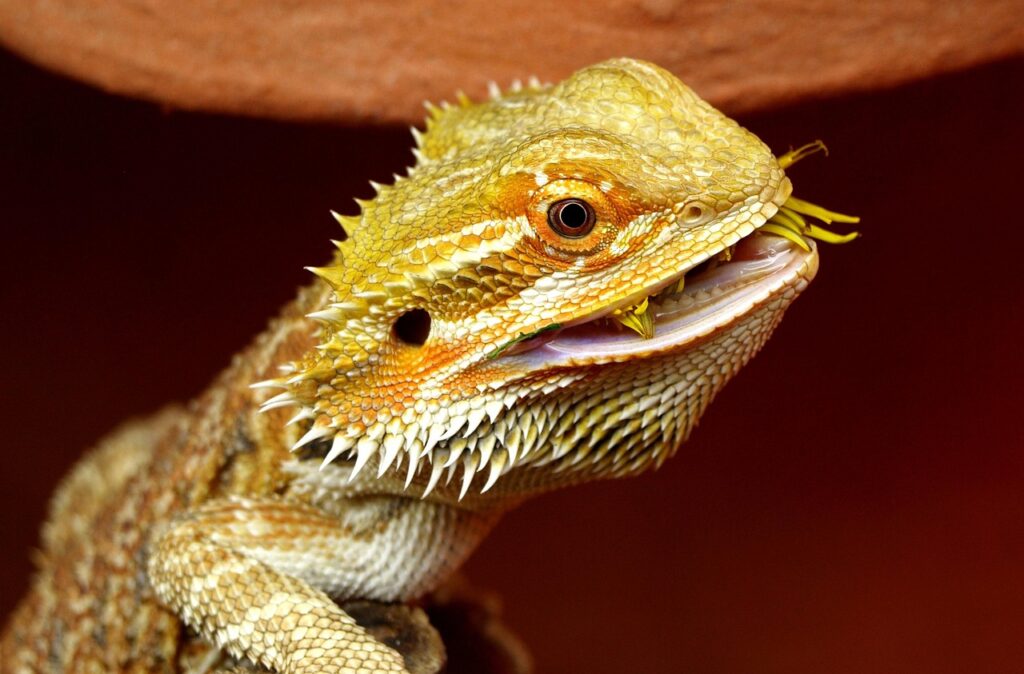
Are bearded dragons good pets for beginners?
Yes, bearded dragons are widely considered good pets for beginners because calm temperaments are usually displayed by them. Additionally, handling can often be tolerated very well when trust has been established gradually. However, proper care, heating, and nutrition must still be provided consistently.
What do pet beardies eat every day?
A balanced beardie’s diet usually includes leafy greens, vegetables, and live insects. Young bearded dragons generally require more protein-rich live food, while adult beardie diets contain more plant matter. Additionally, acidic fruits should only be offered occasionally.
Why do bearded dragons perform head bobbing?
Head bobbing is used as a communication method among bearded dragons. Fast head bobs may show dominance, while a slower head movement or slow bob can indicate submission or courtship behavior during a single mating session.
How long can a bearded dragon live?
The average lifespan of a pet beardie is typically between 4-10 years. However, longer lifespans may be achieved through excellent beardie care, healthy nutrition, UVB lighting, and proper habitat maintenance.
Do bearded dragons recognize their owners?
Yes, many reptile enthusiasts believe recognition can develop over time. Familiar routines, feeding habits, and voices are often remembered by pet dragons. Consequently, strong attachment behaviors may gradually appear.
What is the third eye on a bearded dragon?
The third eye is called the parietal eye, which is a photo-sensory organ located on top of the head. Although actual images cannot be seen through it, movement and light changes can still be detected.
Can bearded dragons change colour?
Yes, bearded dragon change colour behavior is completely normal. Color changes may occur because of temperature shifts, stress, mood changes, or communication with other reptiles.
Why are fireflies dangerous to bearded dragons?
Fireflies’ bodies contain toxins that can be fatal to pet beardies. Shockingly, even half of a firefly may seriously harm or kill a bearded dragon if consumed.
Conclusion
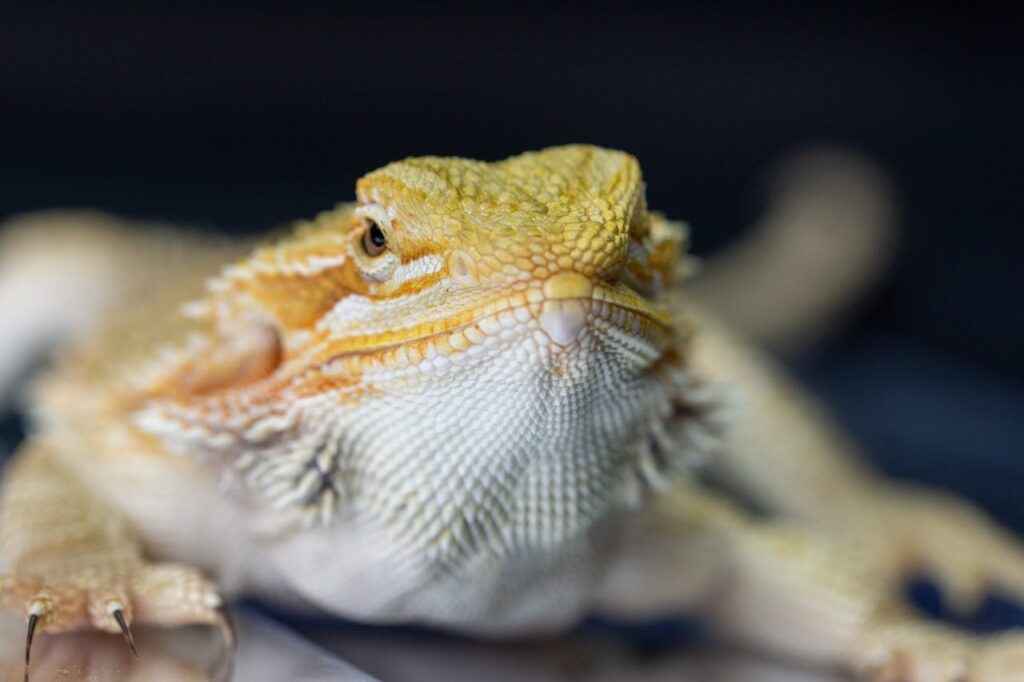
Without question, facts about bearded dragons continue fascinating reptile enthusiasts all around the world. From their unique communication skills and color changes to their mysterious parietal eye and entertaining personalities, these charming reptile companions offer much more than most people expect.
Additionally, facts about bearded dragons reveal how intelligent, adaptable, and emotionally expressive these reptiles can become under proper care. Because they thrive when healthy habitats, balanced nutrition, and consistent attention are provided, these pet dragons often reward owners with years of companionship.
Meanwhile, understanding facts about bearded dragons also helps owners protect their pets from frequent illnesses, stress, and unsafe feeding habits. Whether someone is learning about wild bearded dragons, researching bearded dragon care, or considering adoption for the first time, proper education always remains essential.
Furthermore, their popularity within the animal realm continues growing because these reptiles combine fascinating survival traits with gentle temperaments. Consequently, bearded dragons have earned their place among the most popular reptile pets worldwide.
Finally, whether admired for their beardie spikes, amusing head bobs, fast runners’ abilities, or strong attachment to owners, these incredible reptiles continue capturing hearts everywhere. For anyone seeking a lovable, unique species with endless intriguing facts, a bearded dragon may truly become the perfect animal companion.
If you have some free time, it might be helpful to check out this article 50 Fascinating Facts About Crocodiles That Will Amaze You. You’ll love it.


