65 Surprising Facts About Cells That Expose Life’s Secrets
Facts About Cells
Cells are considered the basic unit of life, shaping everything from the simplest unicellular organisms to the most complex multicellular organisms like the human body. Without them, no living things would survive or function. Although an individual cell is invisible to the naked eye, countless fascinating details about its interior and function have been uncovered through the invention of the microscope. Moreover, facts about cells continue to inspire curiosity among scientists, students, and anyone interested in the mysteries of biology.
Interestingly, the term cell was first introduced by Robert Hooke in 1665 when he observed cork through a simple microscope. Since then, the study of cells, known as cell biology, has transformed the way life sciences are understood.
Furthermore, the discovery of deoxyribonucleic acid (DNA) inside of the cell changed how genetic information is viewed, proving that cells are not only structural but also carry instructions essential for proper development and survival.
A Brief History of the Discovery of Cells
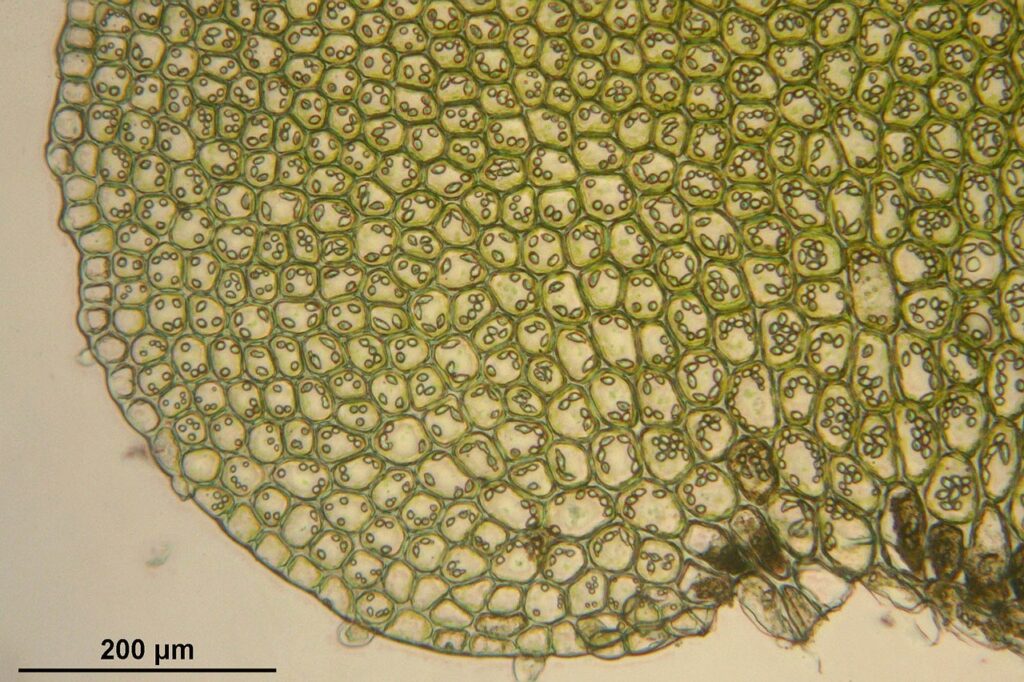
The invention of the microscope allowed scientists to explore worlds that were once unimaginable. In fact, Robert Hooke’s early observation of plant cells in cork led to the naming of the term cell because the compartments reminded him of small rooms in monasteries. Later, advancements such as the scanning electron microscope gave a closer look at the size of a cell, the interior of the cell, and the different shapes cells can adopt.
Moreover, research expanded to prokaryotic cells and eukaryotic cells, revealing major differences between bacterial cells and the more complex animal cells and plant cells. As a result, the foundation for cell theory was established. This theory states that all living organisms are composed of one or more cells, that the cell is the basic unit of life, and that all new cells arise from old cells.
Main Types of Cells
There are two main types of cells recognized by scientists: prokaryotic cells and eukaryotic cells.
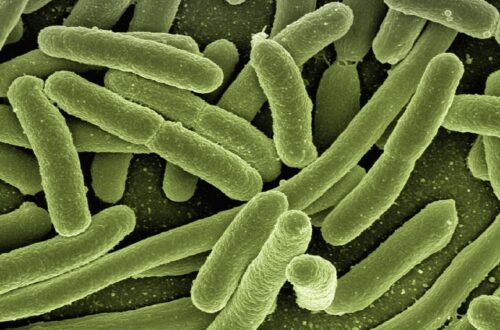
- Prokaryotic cells: These include bacterial cells and unicellular organisms. They do not contain a true cell nucleus, and their genetic material floats freely inside the jelly-like fluid of the cytoplasm. Cell division in these organisms usually happens by binary fission, a process that produces identical cells.
- Eukaryotic cells: These are found in eukaryotic organisms, such as plant cells, animal cells, and human cells. They contain a cell nucleus, where nucleic acids and genetic material are safely stored. Furthermore, organelles like the endoplasmic reticulum, golgi apparatus, and mitochondria perform specific jobs to keep the cell functioning.
Facts About Cells and Their Structures
Many interesting facts about cells are tied to their components. The cell membrane, sometimes called the plasma membrane, acts as a boundary between the interior of the cell and the outside environment. Additionally, plant cells contain a cell wall that provides extra structural support, unlike animal cells. Inside of the cell, organelles work together to convert chemical energy into usable fuel, transport protein molecules, and store genetic information.
- The endoplasmic reticulum helps fold and transport protein molecules.
- The golgi apparatus packages and ships materials.
- Contractile vacuoles in some single-celled organisms regulate water balance.
- The cell nucleus acts as the control center, storing deoxyribonucleic acid.
Moreover, fun facts reveal that different cell types perform different jobs. For example, red blood cells carry oxygen, white blood cells protect the immune system, and nerve cells transmit signals throughout organ systems. Interestingly, the human body contains trillions of different types of cells, each with a specific job to ensure proper development and survival.
Facts About Cells
Human Cells and Their Unique Roles
Human cells are extraordinary, each designed with a crucial role that keeps the human body alive and functioning. Within trillions of human cells, countless processes happen every second, maintaining health and balance. Furthermore, different cell types in humans perform specific jobs, making them essential for organ systems.
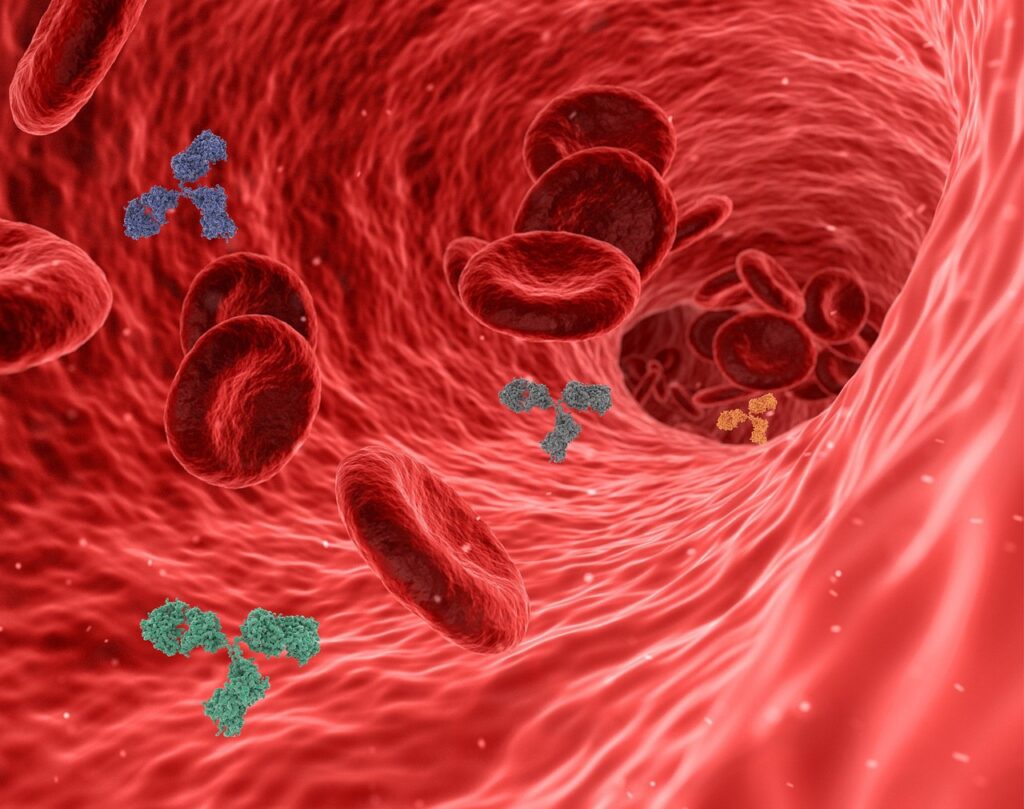
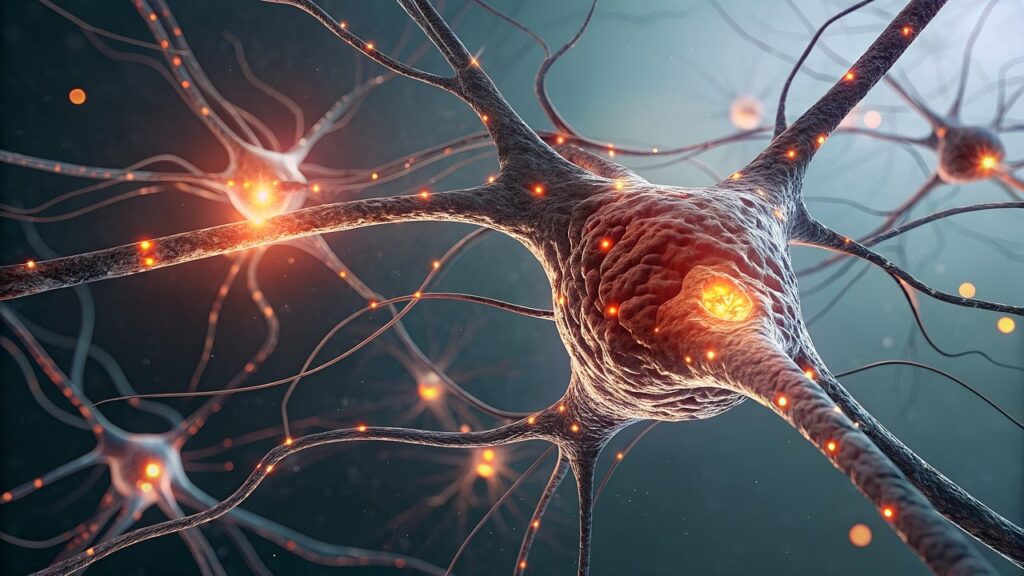
Red blood cells are specialized for carrying oxygen through hemoglobin, while white blood cells are designed to defend against harmful invaders in the immune system. Moreover, muscle cells provide movement by contracting and relaxing, while nerve cells transmit electrical signals, allowing communication across the brain, spinal cord, and the rest of the body. Skin cells, on the other hand, form a protective layer between the inside of the body and the outside environment.
Additionally, pancreatic cells secrete insulin to regulate blood sugar, and brain cells contribute to thought, memory, and consciousness. Because each type of cell carries out a specific job, proper development and overall survival depend on their collective work.
If it’s not too much trouble, I’d recommend reading this article The Best 14 Mysterious Facts About Rh Negative Blood. It could add some valuable context to our discussion.
Cell Division and Growth
Cell division is considered a fundamental process for life. Through this process, new cells are created to replace old cells and support growth. Interestingly, when a cell divides, it produces daughter cells that carry identical genetic information to the parent cell. In prokaryotic organisms, binary fission is commonly used, while eukaryotic organisms rely on more complex forms of cell division.
Moreover, cell growth allows multicellular organisms to increase in size and complexity. For example, human pluripotent stem cells are capable of developing into many different types of cells, which is why they are studied in tissue engineering and clinical research. Furthermore, cancer cells are studied carefully, as they demonstrate uncontrolled cell growth that threatens proper organ function.
Because the life cycle of a cell includes growth, division, and sometimes cell death, balance is essential. If new cells are not produced at the right rate or old cells are not removed properly, diseases can occur.
Fun and Interesting Facts About Cells
Many fun facts about cells show just how fascinating they are. For instance, the size of a cell can range from microscopic bacterial cells to larger egg cells that can almost be seen with the naked eye. Moreover, cells come in different shapes depending on their specific job, with nerve cells being long and thin, while red blood cells are small and disc-shaped.
Another interesting thing is that the human body contains around 200 different cell types, each adapted to carry out a crucial role. Furthermore, brain organoids—tiny, lab-grown clusters of brain cells—have been used in modern clinical research to understand brain development.
- The first cell observed under a microscope was cork, by Robert Hooke.
- Some single-celled organisms survive in extreme conditions such as hot springs.
- Contractile vacuoles help organisms survive by pumping out excess water.
- Scanning electron microscope technology allows detailed imaging of the interior of the cell.
Interestingly, even mobile phones have a “cell” connection, though unrelated to biology, reminding us of the widespread use of the term cell in different fields, from life sciences to communication technology.
Why Cells Are Called the Basic Unit of Life
Cells are called the basic unit of life because every living thing, whether a single cell or a complete organism, is built upon them. Moreover, the study of cells has revealed that genetic information is stored inside of the cell, where nucleic acids like deoxyribonucleic acid and ribonucleic acid direct the synthesis of amino acids and protein molecules.
Furthermore, proper communication between cells ensures immune responses, organ systems coordination, and structural support. Without this foundation, living organisms would not survive. Therefore, cells not only form the smallest units of life but also represent the foundation of survival, reproduction, and evolution.
The Interior of the Cell and Its Organelles
Inside of the cell, numerous organelles perform different jobs that maintain life. Each organelle is structured with a specific function, ensuring that survival, energy production, and communication occur without interruption. Moreover, organelles cooperate closely, showing that cells are highly organized systems.
The nucleus stores genetic material in the form of deoxyribonucleic acid, which carries genetic information essential for proper development. Furthermore, the endoplasmic reticulum serves as a folding and transport center for protein molecules and lipids. Rough endoplasmic reticulum is covered with ribosomes that produce proteins, while smooth endoplasmic reticulum is responsible for lipid synthesis and detoxification.
Additionally, the golgi apparatus acts as a packaging and shipping system, ensuring proteins and other molecules reach their destinations. Mitochondria, often called the powerhouse of the cell, convert chemical energy from food into usable fuel for cellular processes. Chloroplasts in plant cells perform photosynthesis, transforming carbon dioxide and sunlight into glucose, which provides energy for the plant.
If you have some free time, it might be helpful to check out this article 54 Great Facts About Plantae: Change the Way You See Plants. It covers some relevant points.
Contractile vacuoles in single-celled organisms regulate water balance, while lysosomes break down waste. Because every organelle has a specific job, the overall health of the cell depends on their cooperation.
Plasma Membrane and Cell Boundaries
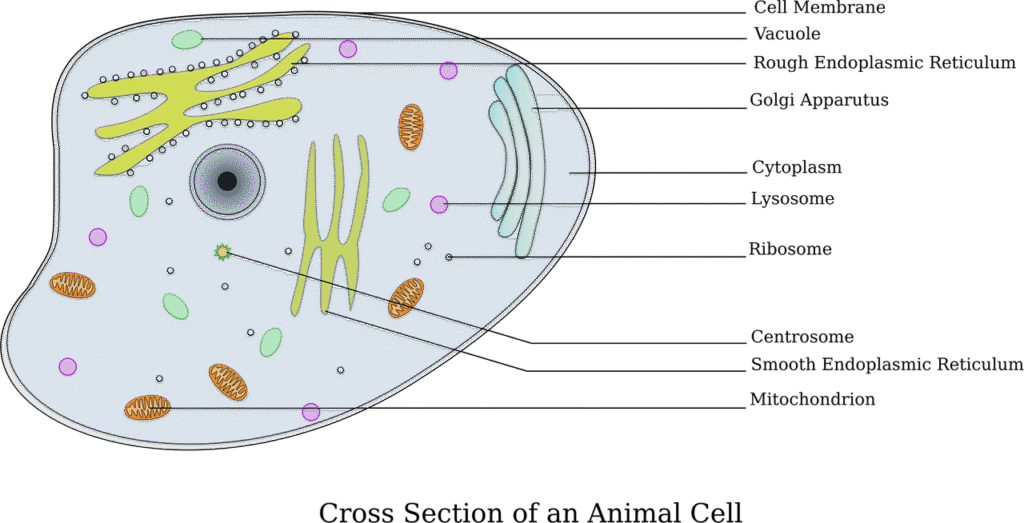
The plasma membrane, or cell membrane, serves as a barrier between the interior of the cell and the outside environment. Its structure is made from a phospholipid molecule bilayer, which forms a flexible yet protective shield. Furthermore, this membrane controls the movement of materials in and out of the cell, maintaining balance through processes like passive transport and active transport.
Additionally, the cell wall in plant cells and some bacterial cells provides extra structural support. Unlike animal cells, plant cells benefit from this rigid layer, which helps maintain their shape. Moreover, the plasma membrane is not just a barrier; it is also a communication center, receiving signals from other cells and the outside environment.
Energy and Cell Activity
Energy is vital for every living organism. Through mitochondria, energy stored in glucose molecules is converted into adenosine triphosphate (ATP). Moreover, ATP fuels all cellular activities, from movement to growth. In plant cells, photosynthesis produces glucose, which is later used to generate energy.
Interestingly, chemical energy stored inside of the cell is not only for survival but also for supporting complex processes like immune responses, protein synthesis, and organ systems coordination. Without this conversion of energy, living organisms would not survive.
Furthermore, red blood cells carry oxygen that mitochondria use in energy production, highlighting the cooperation between different cell types. In turn, energy supports nerve cells, muscle cells, and other specialized cells in their specific job.
Different Cell Types and Their Functions
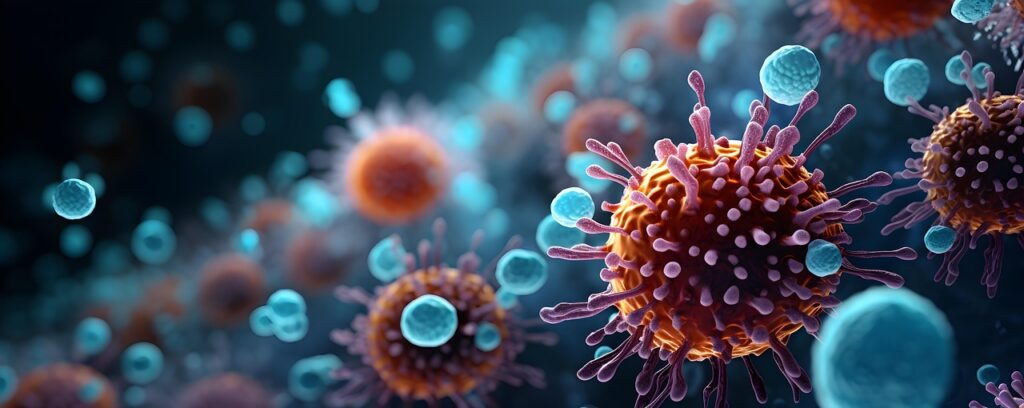
Different types of cells demonstrate how specialized life can be. For instance, brain cells process information and memory, while muscle cells generate movement. Moreover, pancreatic cells regulate blood sugar, and immune system cells protect the body against pathogens.
Could you give this article a read when you can? It offers some additional insights on the topic.
The Best 22 Interesting Facts About Muscle in the Human Body
Additionally, skin cells provide a barrier, while white blood cells act as defenders against infection. Nerve cells are unique because their shape allows them to transmit messages quickly, ensuring that the human body responds to stimuli. Furthermore, tissue engineering often involves the use of human pluripotent stem cells, which can develop into different cell types and assist in repairing damage.
Because each cell type is structured for a specific job, survival of the complete organism depends on their cooperation. Therefore, understanding different cell types is essential for clinical research, life sciences, and even potential treatments for diseases.
Interesting Facts About Cells for Quick Learning
To answer quick questions often asked on search engines, a few concise facts about cells are highlighted below:
- Cells are the basic unit of life and make up all living things.
- Prokaryotic cells lack a nucleus, while eukaryotic cells contain one.
- The largest human cell is the female egg cell, visible almost to the naked eye.
- Robert Hooke first used the term cell in 1665 when observing cork.
- Cells come in different shapes depending on their specific job.
(Source: National Institutes of Health, United States)
Cell Communication and the Outside Environment
Cells are not isolated structures; communication between them ensures that organ systems function properly. Through chemical signals, electrical impulses, and protein molecules, cells can interact with each other and respond to the outside environment. Moreover, the plasma membrane plays a crucial role in receiving these signals and transmitting them to the interior of the cell.
Furthermore, immune system cells rely heavily on communication. White blood cells coordinate immune responses by releasing signaling molecules that alert other cells to threats. In addition, nerve cells use electrical signals to send information across long distances, demonstrating how specialized communication maintains the human body’s balance.
Because proper development and survival rely on cellular communication, any disruption can lead to disease. Therefore, research in cell biology continues to focus on understanding how signals are sent, received, and interpreted.
Genetic Material and Information Storage
Inside of the cell nucleus, deoxyribonucleic acid serves as the primary storage of genetic information. Moreover, nucleic acids within DNA provide instructions for building amino acids and protein molecules. These proteins carry out structural support, chemical reactions, and energy transfer.
Additionally, DNA replication ensures that identical cells are produced during cell division. Daughter cells created during this process inherit the same genetic information, allowing stability across generations. Furthermore, mistakes in replication or changes to genetic material can cause mutations, some of which may lead to diseases such as cancer cells.
Because genetic material is so vital, scientists often study human pluripotent stem cells to better understand how DNA influences development. Therefore, the study of cells not only explains the past but also opens pathways for future medical breakthroughs.
Diseases and Abnormal Cell Behavior
Although most cells perform their tasks reliably, problems can arise. Cancer cells, for example, grow and divide uncontrollably, ignoring normal signals that regulate cell death. Moreover, these abnormal cells can spread to other tissues, disrupting organ systems and threatening survival.
Additionally, autoimmune conditions occur when immune system cells mistakenly attack the body’s own cells. Infections by bacterial cells can also damage tissues and alter normal processes. Furthermore, clinical research in the United States and beyond focuses on finding ways to prevent, control, and treat such cellular abnormalities.
Because diseases often begin at the cellular level, understanding the basic unit of life provides insight into treatment strategies. Therefore, knowledge of cell biology directly influences medicine, pharmacology, and therapeutic innovation.
Would you mind read this article when you have a moment. Facts About Cancers: Key Information You Need to Know
Modern Advances in Cell Research
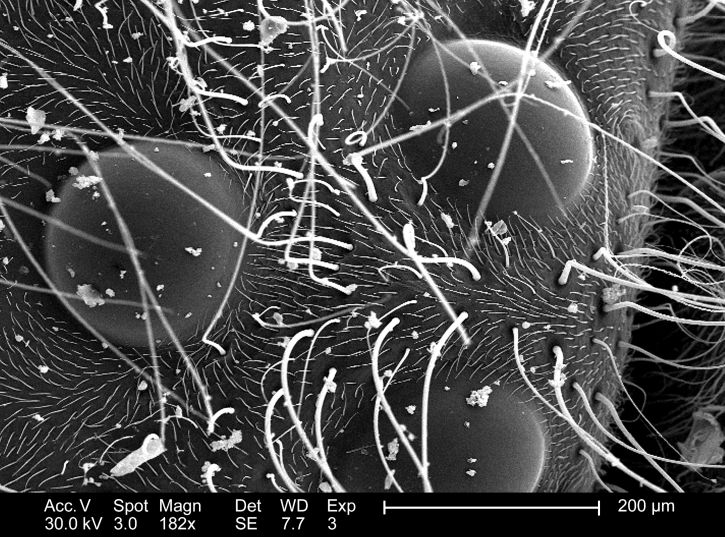
Modern technology has transformed the study of cells. Scanning electron microscope images now reveal the size of a cell, the interior of the cell, and even the different shapes it can adopt. Moreover, advances in primary cell culture allow scientists to grow cells outside of the human body for research and testing.
Additionally, brain organoids have been created in laboratories to study brain development. These tiny clusters of brain cells mimic certain aspects of the human brain, providing insights into diseases and treatments. Furthermore, tissue engineering uses human pluripotent stem cells to repair or replace damaged tissues, offering hope for patients with severe injuries.
Interestingly, the craziest things about cell research involve how far it has reached. From studying hot springs bacteria to developing therapies for immune responses, the study of cells continues to shape the future of medicine. Because of these advances, the life sciences are now closely linked to healthcare innovations, proving the enduring importance of facts about cells.
Old Cells and the Cycle of Life
Old cells must eventually be replaced for organisms to remain healthy. Through apoptosis, or programmed cell death, damaged or unnecessary cells are safely removed. Moreover, new cells created by division ensure that tissues continue to function. Without this balance, cell growth could become uncontrolled, or essential tissues might fail.
Furthermore, organ systems rely on this constant renewal. For example, skin cells are replaced regularly, while red blood cells survive only a few months before being replaced by new ones. Therefore, the cycle of life within the cellular world is continuous, showing how survival depends on renewal.
The Future of Cell Research
The future of cell research promises exciting breakthroughs. With advanced tools, the interior of the cell can now be studied in greater detail than ever before. Moreover, the use of brain organoids and tissue engineering shows how new cells may be used to repair damaged tissues or even grow replacement organs.
Additionally, genetic material continues to be studied in the hopes of treating inherited disorders. Human pluripotent stem cells are being explored for their potential to form different cell types, offering solutions to conditions once thought untreatable. Furthermore, targeted therapies against cancer cells are being developed to stop uncontrolled growth while preserving healthy tissues.
Because life sciences are advancing rapidly, the study of cells will remain at the center of clinical research, biotechnology, and medicine. Therefore, understanding facts about cells is not only important for science students but also for everyone interested in the progress of human health.
Facts About Cells
Related Topics and Everyday Connections
Although cells belong to biology, the word “cell” appears in unexpected areas of life. For instance, the brief history of cell phones shows how communication technology borrowed the idea of small, connected units. Moreover, mobile phones depend on “cellular networks,” where signals are transmitted across regions divided into cells.
Additionally, primary cell culture, clinical research, and tissue engineering continue to expand our knowledge. In fact, the craziest things about cells sometimes arise outside traditional biology, as scientists discover bacterial cells in extreme environments such as hot springs. Therefore, both science and everyday life remind us of how universal the concept of cells has become.
Facts About Cells: Frequently Asked Questions
What are the main types of cells?
The main types are prokaryotic cells, such as bacterial cells, and eukaryotic cells, such as plant cells, animal cells, and human cells.
Why are cells considered the basic unit of life?
Cells are the basic unit of life because every living thing is made of one or more cells, and all new cells arise from pre-existing ones.
Who discovered cells?
Cells were first described by Robert Hooke in 1665 after observing cork with a microscope.
How do cells grow and divide?
Cells grow by increasing in size and divide by processes such as binary fission in prokaryotes or mitosis in eukaryotes, producing daughter cells.
Can cells be seen with the naked eye?
Most cells are too small for the naked eye, but some, like human egg cells, are visible without magnification.
Why do different cell types exist?
Different cell types exist because each one performs a specific job, such as carrying oxygen, transmitting signals, or protecting against infection.
Facts About Cells Conclusion
Cells are remarkable, functioning as the foundation of all living organisms. From bacterial cells thriving in hot springs to nerve cells controlling thought in the human body, facts about cells reveal a hidden world of complexity. Moreover, their discovery by Robert Hooke and the invention of the microscope transformed biology, laying the foundation for modern life sciences.
Additionally, the study of cells has led to important insights into genetic material, diseases, tissue engineering, and even cancer research. Because old cells must be replaced by new cells, life itself depends on the cycle of cellular growth and renewal. Furthermore, future research holds the promise of breakthroughs in organ systems repair, immune responses, and clinical treatments that may save lives.
Therefore, learning about cells not only deepens appreciation for biology but also strengthens understanding of health, technology, and the very essence of survival. Truly, the most interesting facts about cells prove that these microscopic structures are the most important building blocks of life.
So now you know the facts about cells, now read this article The Best 15 Interesting Facts About E.coli. Your be glad you did!