60+ Facts About Cherokee: The Legacy of the Principal People
Facts About Cherokee
Among the most compelling Native American tribes in North America, the Cherokee people stand as a resilient and deeply spiritual community. Known as the “Principal People,” their story stretches across centuries — from their ancestral homeland in the southeastern United States to their current presence in North Carolina, South Carolina, and northeastern Oklahoma. Through these facts about Cherokee history, language, and culture, an intricate picture of endurance, wisdom, and identity unfolds.
Interestingly, the name Cherokee may have originated from a Creek word meaning “people of a different speech.” However, the Cherokee people refer to themselves as Aniyvwiya, or “real people.” Over time, their journey from the lush Appalachian Mountains to the plains of Indian Territory reveals both triumph and tragedy.
The Origins and Homeland of the Cherokee Tribe
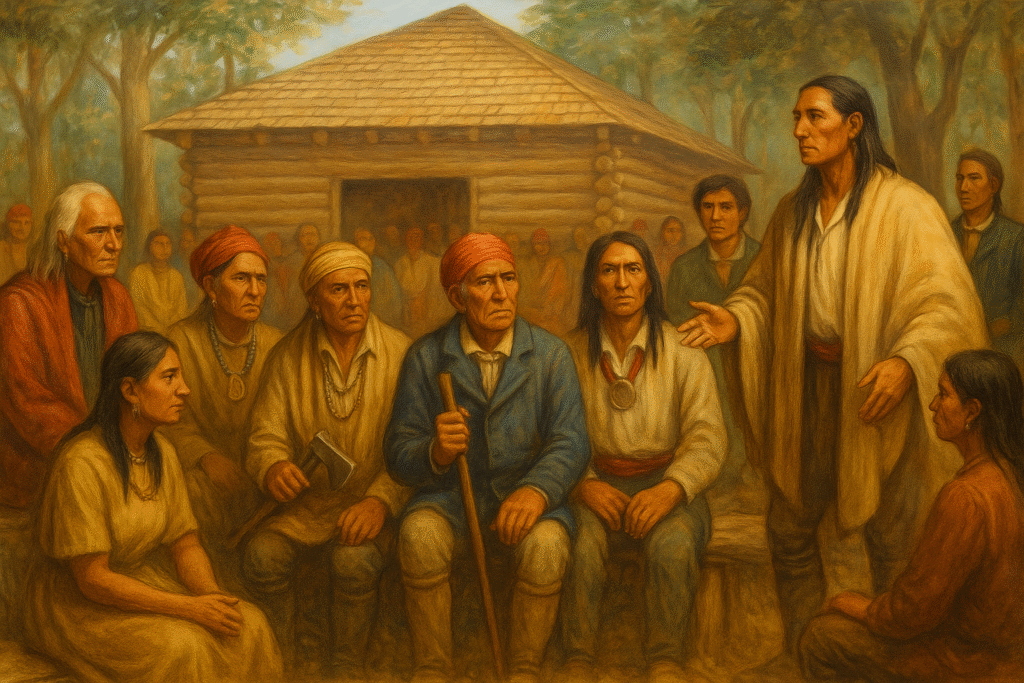
Before European contact, the Cherokee occupied vast territories across parts of present-day Georgia, Tennessee, and the Carolinas. Their ancestral lands stretched from the Mississippi River eastward through the Appalachian Mountains, encompassing fertile valleys and rich forests. This landscape supported typical Cherokee towns, log cabins, and council houses. Which served as the political and spiritual centers of their communities.
Moreover, the Cherokee land was abundant with resources. They cultivated crops such as corn, beans, and squash, and gathered materials like river cane to craft baskets and tools. Each Cherokee town was self-governed, guided by both peace chiefs and war chiefs. Reflecting a balanced form of leadership long before the establishment of their constitutional government.
Early Encounters and European Contact
When European settlers arrived in the early 18th century, their presence forever altered Cherokee society. Trade routes, such as the Federal Road, connected Cherokee territory with the colonial world, leading to an exchange of goods and ideas — and eventually, conflict.
As a result, alliances and hostilities shaped the tribe’s history. The Anglo-Cherokee War and the American Revolutionary War both tested their endurance. Many Cherokee leaders sought diplomacy, while others defended their tribal land with valor. Figures like John Ross, who later became Principal Chief of the Cherokee Nation, emerged as defenders of their sovereignty amid growing pressure from the U.S. government.
The Trail of Tears: A Tragic Chapter
One of the most somber facts about Cherokee history involves the Trail of Tears, a forced relocation that began after the Indian Removal Act of 1830, signed by President Andrew Jackson. Despite numerous successive treaties, including the Treaty of New Echota, thousands of Cherokee people were driven from their ancestral homeland in the southeastern United States to Indian Territory west of the Mississippi River.
Approximately 16,000 Cherokee were displaced, and nearly a quarter perished from starvation, exposure, and disease. The U.S. Army oversaw the relocation, which remains one of the darkest episodes in Native American history. Even so, the Cherokee people endured — rebuilding their communities and reestablishing the Cherokee Nation in northeastern Oklahoma.
Rebuilding the Cherokee Nation
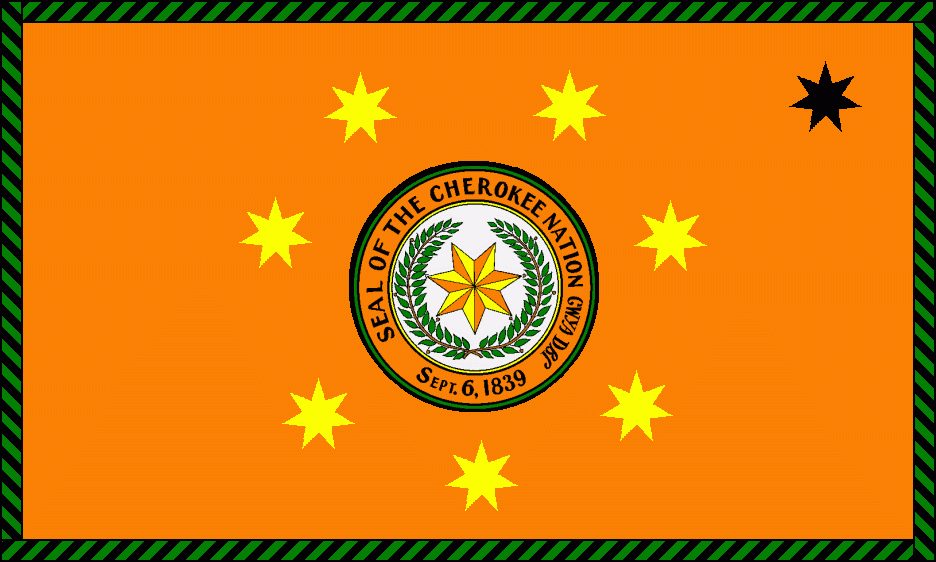
After arriving in Indian Territory, Cherokee leaders displayed extraordinary resilience. A new constitution was adopted, reflecting democratic principles modeled after the U.S. system, yet grounded in Cherokee values. Their capital, Tahlequah, became the capital of the Cherokee Nation, a center for governance, education, and culture.
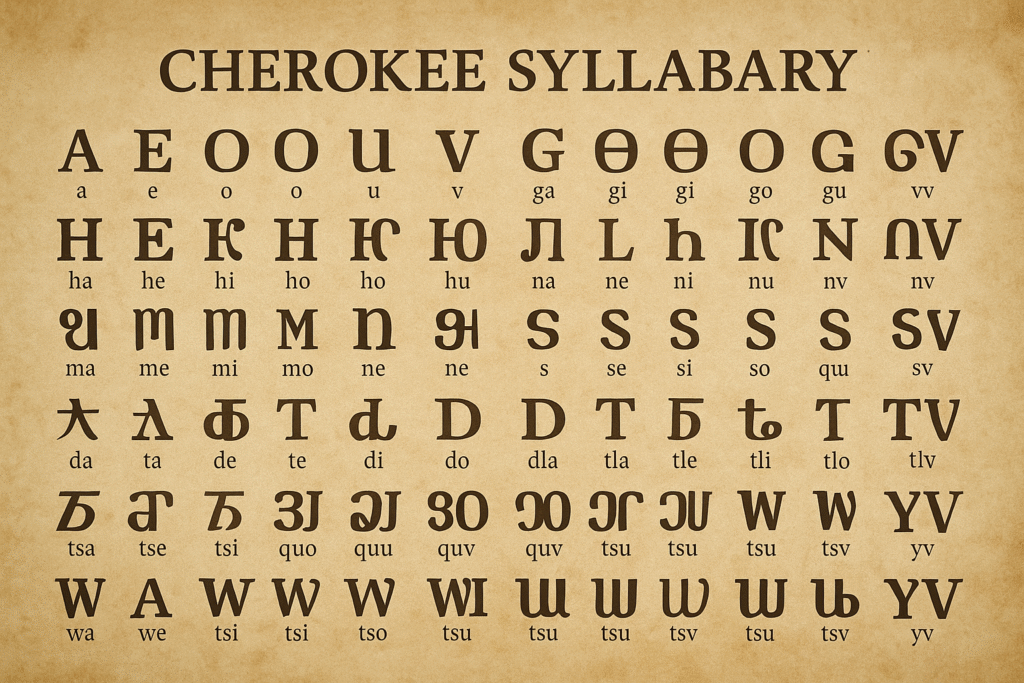
Furthermore, the publication of the Cherokee Phoenix, the first Native American newspaper written in both English and Cherokee language, symbolized cultural pride and literacy. The creation of the Cherokee syllabary by Sequoyah enabled the tribe to develop a written language. Preserving oral traditions and establishing one of the most literate Native societies of the 19th century.
Cherokee Culture and Society: The Heart of a Civilized Tribe
Throughout history, the Cherokee tribe was regarded as one of the Five Civilized Tribes, a term used by European settlers to describe Native American tribes that adopted aspects of European culture. However, the Cherokee society blended these influences with its own profound traditions, values, and spirituality.
Importantly, Cherokee culture was centered around harmony — balance with nature, respect for elders, and community cooperation.
The tribe’s social structure reflected this principle, where Cherokee men were hunters and warriors, while Cherokee women managed the household, cultivated crops, and held influence in decision-making.
In fact, Cherokee women possessed significant political and social authority, and lineage was traced through the maternal line, an uncommon practice among many Native American tribes.
Moreover, each Cherokee town had a council house at its center. This was not only a place of political debate but also of ceremonial gatherings and storytelling.
During special occasions, dances and songs expressed gratitude to the Creator, while the Wee Yah and Nee Yun ceremonies reflected spiritual renewal and purification.
I’d recommend reading this article The Best 56 Interesting Facts About Sacagawea (Bird Woman). It could add some valuable context to our discussion.
Language and Literacy: A Nation with Its Own Voice
Among the most inspiring facts about Cherokee heritage is their unique Cherokee language, which belongs to the Iroquoian language family. Prior to European contact, it was entirely oral. Yet, in the early 19th century, a remarkable innovation occurred.
The Cherokee scholar Sequoyah developed the Cherokee syllabary, allowing his people to read and write their own language.
As a result, literacy rates among the Cherokee soared, surpassing those of surrounding European-American communities. The written system contained symbols representing syllables rather than individual letters, and it quickly became the cornerstone of cultural preservation.
Additionally, the creation of the Cherokee Phoenix, published in 1828, provided a powerful tool for communication and political expression.
Articles printed in both English and Cherokee united tribal members and strengthened their identity. This advancement not only symbolized intellectual independence but also reflected the Cherokee commitment to education and progress.
Governance and Political Evolution
The history of the Cherokee Nation reveals a people deeply committed to democracy and unity.
Their written constitution, ratified in 1827, established a constitutional government with three branches — legislative, executive, and judicial — mirroring the structure of the U.S. government. This adoption of formal governance illustrated their determination to coexist while maintaining sovereignty.
Furthermore, Principal Chiefs, Peace Chiefs, and War Chiefs played vital roles in leadership. John Ross, the most famous Principal Chief, guided his people through periods of upheaval, including the Indian Removal Act and the Trail of Tears.
His leadership preserved the integrity and identity of the Cherokee Nation, even when external forces sought to dismantle it.
Consequently, the Cherokee were able to reestablish their community after the relocation. The Cherokee Nation of Oklahoma, the Eastern Band of Cherokee Indians in Cherokee, NC, and the United Keetoowah Band of Cherokee Indians became the three federally recognized Cherokee tribes.
Together, these groups continue to uphold the customs, language, and laws of their ancestors.
Interesting Facts About Cherokee Society
Many interesting facts about Cherokee life reveal how advanced and adaptive they were:
- The Cherokee built log cabins with clay chimneys, similar to those of early American settlers.
- Cherokee dwellings often surrounded a central council house and a ceremonial square.
- Agriculture was balanced with hunting, ensuring sustainable use of their tribal land.
- The Cherokee referred to themselves as Principal People, emphasizing their unity and dignity.
- Even after displacement, Cherokee communities maintained thriving economies and traditions.
Religion, Beliefs, and Spiritual Practices
Faith and spirituality have always been essential parts of Cherokee culture. The Cherokee people believed that balance and harmony governed the universe. Everything in nature — from the mountains to the rivers — was seen as a living spirit deserving of respect. Consequently, ceremonies and rituals were performed to maintain this sacred equilibrium.
Traditionally, seven clans made up Cherokee society, each carrying unique responsibilities within the community. The number seven was sacred, symbolizing the seven directions — east, west, north, south, above, below, and center — representing completeness and spiritual balance.
Furthermore, the Cherokee medicine men and women held deep knowledge of herbs and healing practices.
They used natural elements like plants, water, and fire in sacred rites to cure illnesses and restore spiritual well-being. On special occasions, ceremonial dances and songs were performed to give thanks to the Creator, who was believed to guide and protect the Principal People.
In addition, storytelling played a significant role in spiritual life. Through myths and legends, values were taught, and lessons about courage, humility, and unity were passed down through generations.
Cherokee Leaders and Political Influence
Over time, a number of Cherokee leaders shaped the destiny of their nation. Among them, John Ross stood out as one of the most influential.
Born in Cherokee territory, Ross became Principal Chief and led his people through the painful years of removal and reconstruction.
Under his guidance, the Cherokee Nation rebuilt itself after the Trail of Tears, forming a new constitution and a functioning government.
Equally important was Wilma Mankiller, the first female Principal Chief of the Cherokee Nation of Oklahoma. Her leadership, beginning in the 1980s, marked a turning point in modern Cherokee history.
Through her efforts, health care, education, and housing improved dramatically for Cherokee Nation citizens. She became one of the most well-known people in Native American politics and continues to be celebrated for her contributions.
Moreover, the Cherokee tribe maintained a strong political structure through their Council House, where tribal laws were debated and enacted.
Peace Chiefs oversaw social harmony, while War Chiefs protected their people during times of conflict. This dual system of leadership ensured that diplomacy and defense remained balanced within the community.
Cherokee During the American Wars
During the American Revolutionary War, divisions emerged among the Cherokee. Some factions sided with the British, believing they could protect Cherokee land from encroaching settlers, while others aligned with American revolutionaries. As a result, the tribe faced internal conflicts and external pressures that reshaped their boundaries.
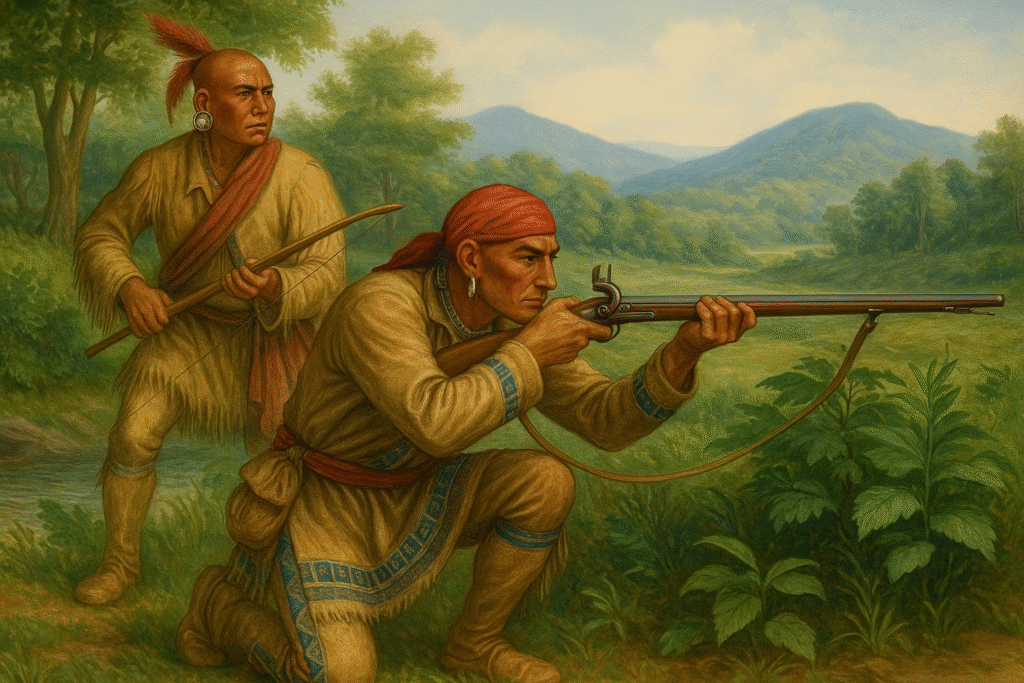
Later, during the Indian War and other military conflicts of the eighteenth century, Cherokee warriors earned a reputation for bravery and strategy.
Yet, with each conflict, more ancestral lands were seized through successive treaties, leaving the Cherokee people increasingly confined to smaller territories.
Despite this, their cultural and political resilience never faded. By the time of westward expansion beyond the Rocky Mountains, the Cherokee had already redefined what it meant to endure as a nation.
Their written constitution and organized government demonstrated remarkable adaptability — traits that continue to define the Cherokee people today.
The Role of Land and Identity
The land always held spiritual and cultural significance for the Cherokee. Every mountain, river, and valley carried a story, a prayer, or a memory of their ancestors. Therefore, losing their ancestral homeland was not only a physical displacement but a spiritual fracture.
Nevertheless, through the Qualla Boundary in Cherokee, NC, and lands in northeastern Oklahoma, the Cherokee Nation continues to protect its heritage.
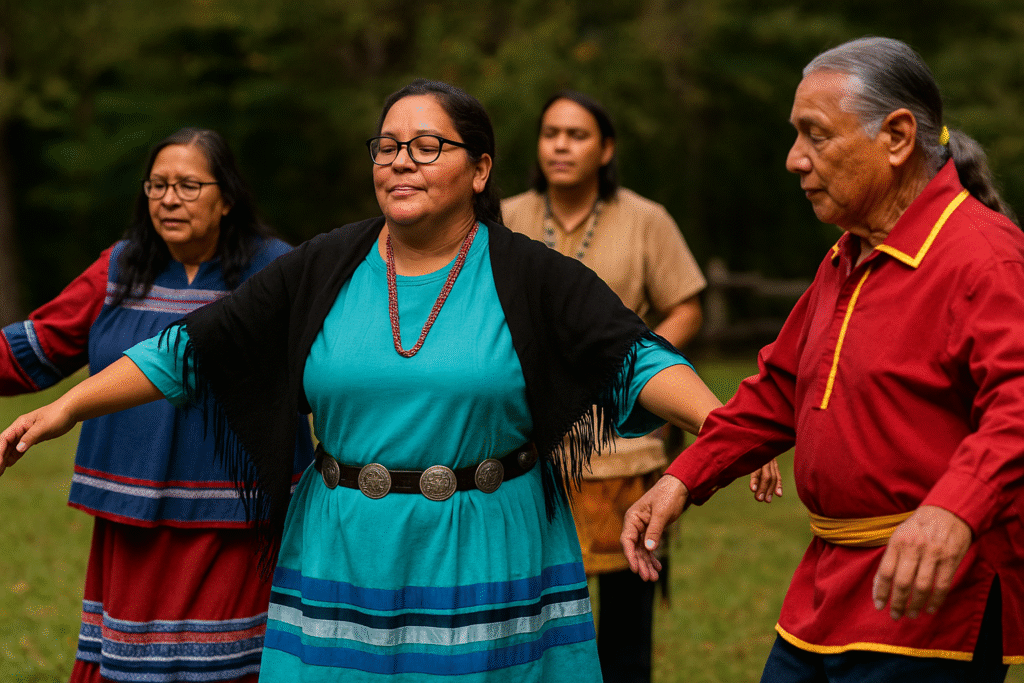
Modern Cherokee today still perform ancient dances, maintain traditional crafts, and speak the Cherokee language — living proof of a legacy that survived centuries of upheaval.
Modern Cherokee Life and Cultural Preservation
Today, the Cherokee Nation stands as a powerful testament to endurance and unity. The Cherokee Nation of Oklahoma, along with the Eastern Band of Cherokee Indians in North Carolina and the United Keetoowah Band of Cherokee Indians, represents the three federally recognized tribes that preserve Cherokee heritage across the United States. Collectively, these groups safeguard the traditions, values, and own language that have defined the Principal People for centuries.
Moreover, the capital of the Cherokee Nation remains in Tahlequah, northeastern Oklahoma, where a thriving community reflects both ancient and modern influences.
The government operates under a written constitution, ensuring representation and fairness for all tribal members.
Through programs focusing on education, housing, and healthcare, the Cherokee Nation continues to empower its citizens while honoring traditional values.
Importantly, the Cherokee language remains central to cultural preservation efforts. Immersion schools and online learning initiatives teach children and adults to read and write using the Cherokee syllabary, keeping the language alive.
Because of these efforts, more Cherokee Nation citizens now speak their ancestral tongue than in previous generations, symbolizing a profound revival of identity.
Additionally, cultural festivals, storytelling events, and crafts — such as pottery, basket weaving, and beadwork — are celebrated throughout the year. During these special occasions, elders share ancestral knowledge, and young people are encouraged to embrace their roots.
Economic Growth and Tribal Achievements
The Cherokee Nation has become one of the largest employers in Cherokee Country and throughout northeastern Oklahoma. Businesses owned by the tribe generate millions of dollars annually, funding education, healthcare, and infrastructure projects that benefit thousands of tribal members.
As a result, the Cherokee economy reflects a blend of tradition and innovation. Enterprises range from hospitality and tourism in Cherokee, NC, to high-tech ventures and energy development. The tribe’s economic influence also extends nationally, contributing to regional stability and community growth.
Furthermore, the federal government recognizes the Cherokee Nation’s sovereignty, allowing it to govern internal affairs and maintain its tribal land independently. This recognition reinforces the tribe’s right to self-determination, a principle fought for since the Indian Removal Act.
Interestingly, the modern Cherokee Nation places significant emphasis on environmental protection. Sustainable practices are promoted to ensure the preservation of forests, rivers, and wildlife — the same natural elements that once sustained the Cherokee people in their ancestral homeland.
Education, Innovation, and Modern Identity
Education remains a cornerstone of Cherokee culture. Scholarship programs and universities partner with tribal organizations to support Native students. Because of this focus, literacy and higher education levels among Cherokee Nation citizens continue to rise.
Moreover, digital archives now preserve ancient texts written in the Cherokee syllabary, making them accessible to future generations.
Modern art, literature, and music have also emerged as powerful expressions of Cherokee identity, blending traditional storytelling with contemporary creativity.
Through all these developments, one fact becomes clear: the Cherokee have not only survived history’s hardships but have transformed adversity into strength.
Their achievements in education, governance, and culture ensure that their legacy endures across North America and beyond.
Would you mind reading this article The Best 16 Incisive And Interesting Facts About Education when you have a moment.
Fun and Interesting Facts About Cherokee
Many lesser-known details about the Cherokee tribe reveal the depth of their traditions, language, and adaptability. The following fun and interesting facts about Cherokee offer insight into their daily life, beliefs, and achievements:
- The Cherokee word for themselves, Aniyvwiya, translates to “real people,” emphasizing unity and shared identity.
- The Cherokee syllabary, created by Sequoyah, remains one of the most successful examples of a written language developed by a single individual.
- Log cabins and council houses were common Cherokee dwellings, mirroring structures found among early European settlers but adapted to local resources.
- River cane was used to make blowguns, mats, and baskets — vital elements of Cherokee culture and craftsmanship.
- The Cherokee Phoenix was the first bilingual newspaper printed by Native Americans, a major achievement in 1828.
- The Eastern Band of Cherokee Indians continues to inhabit the Qualla Boundary in Cherokee, NC, preserving the traditions of their ancestors.
- Cherokee men often served as warriors or hunters, while Cherokee women governed domestic life and held political power.
- The treaty of New Echota, though controversial, drastically changed Cherokee territory and led to their forced relocation along the Trail of Tears.
- The Cherokee Nation of Oklahoma operates its own constitutional government, including a Supreme Court, legislative council, and elected Principal Chief.
- Wilma Mankiller, the tribe’s first female leader, advanced education and healthcare, becoming one of the most respected Cherokee leaders of modern times.
- The typical Cherokee town was structured around a central square and a council house, reflecting the tribe’s communal values.
- During the eighteenth century, the Cherokee were considered among the civilized tribes due to their advanced social organization.
- Cherokee today celebrate their heritage through language revival programs and cultural festivals across North Carolina and Oklahoma.
- The Cherokee Nation recognizes thousands of tribal members, making it the largest tribe among federally recognized Native American tribes in the U.S.
- Despite centuries of displacement, the Cherokee people remain one of the most influential Native peoples in North America.
Facts About Cherokee: Frequently Asked Questions
I’d really appreciate it if you could read this article The Best 25 Interesting Facts About Georgia Colony when you have a moment. It’s related to what we’ve been discussing.
What was the Cherokee’s original homeland?
The Cherokee originally lived across the southeastern United States, including North Carolina, South Carolina, Georgia, and eastern Tennessee.
What language do the Cherokee speak today?
Many still speak the Cherokee language, preserved through schools, digital archives, and immersion programs in Cherokee, NC and Oklahoma.
What is the capital of the Cherokee Nation?
The capital of the Cherokee Nation is Tahlequah, located in northeastern Oklahoma.
What is the Cherokee Nation known for today?
Today, the Cherokee Nation is known for being one of the largest employers in Oklahoma, supporting education, health, and cultural development.
How did the Trail of Tears affect the Cherokee?
The Trail of Tears resulted in the loss of thousands of lives and the displacement of nearly the entire Cherokee tribe from their ancestral lands.
(Source for historical verification: National Museum of the American Indian, Smithsonian Institution)
Facts About Cherokee Conclusion
Through these remarkable facts about Cherokee history, language, and resilience, one truth stands above all others — the Cherokee people have continually adapted, persevered, and thrived. From their roots in the Appalachian Mountains to their modern communities in Cherokee, NC, and Oklahoma, they embody a story of survival that bridges the past and the present.
Could you give this article 49 Fascinating Facts About North Carolina You Need to Know a read when you can? It offers some additional insights on the topic.
Ultimately, the Cherokee remain the Principal People — a nation whose spirit, knowledge, and traditions continue to shape Native American culture across generations. Their written constitution, own language, and enduring customs ensure that the history of the Cherokee Nation remains alive in both memory and practice.