The Best Facts About Rachel Carson. Changing Science Forever
Facts About Rachel Carson
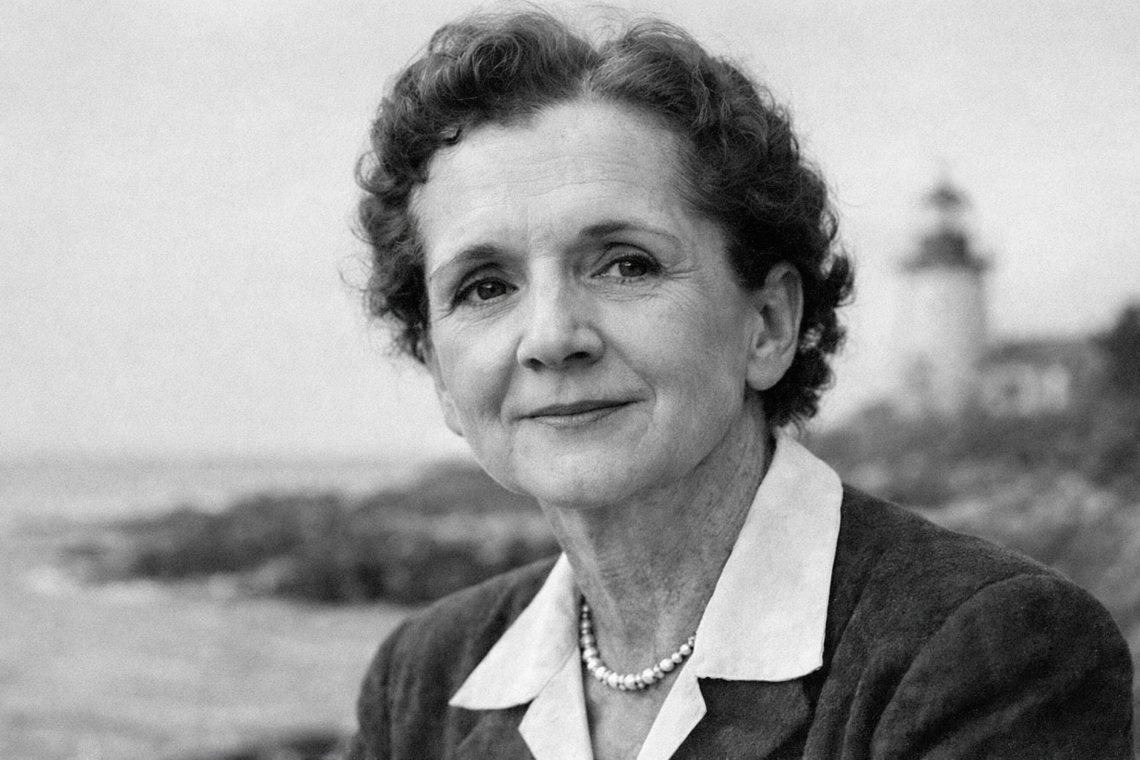
Surprisingly, few figures in science and literature have influenced the modern environmental movement as profoundly as Rachel Louise Carson. Known for her groundbreaking book Silent Spring, Carson ignited a global awareness of the dangers of chemical pesticides and their effects on human health, wildlife, and the natural world. Indeed, these facts about Rachel Carson reveal a story of courage, intellect, and unshakable love of nature that continues to inspire scientists and readers alike.
Born in 1907 in Springdale, Pennsylvania, Carson developed her fascination with the outside world at an early age. From humble beginnings during the Great Depression to her tenure as a science writer and marine biologist, she reshaped the way society viewed its relationship with the environment. Moreover, her voice gave strength to those concerned about the future of animal populations, marine life, and food supply.
Before delving deeper into her work and achievements, it’s worth noting that Carson’s ideas were not always popular. In fact, she faced powerful opposition from chemical companies and government agencies who feared the impact of her revelations. Nevertheless, her persistence led to lasting policy changes and global environmental awareness that still echo today.
Early Life and Education – Foundations of a Visionary Mind
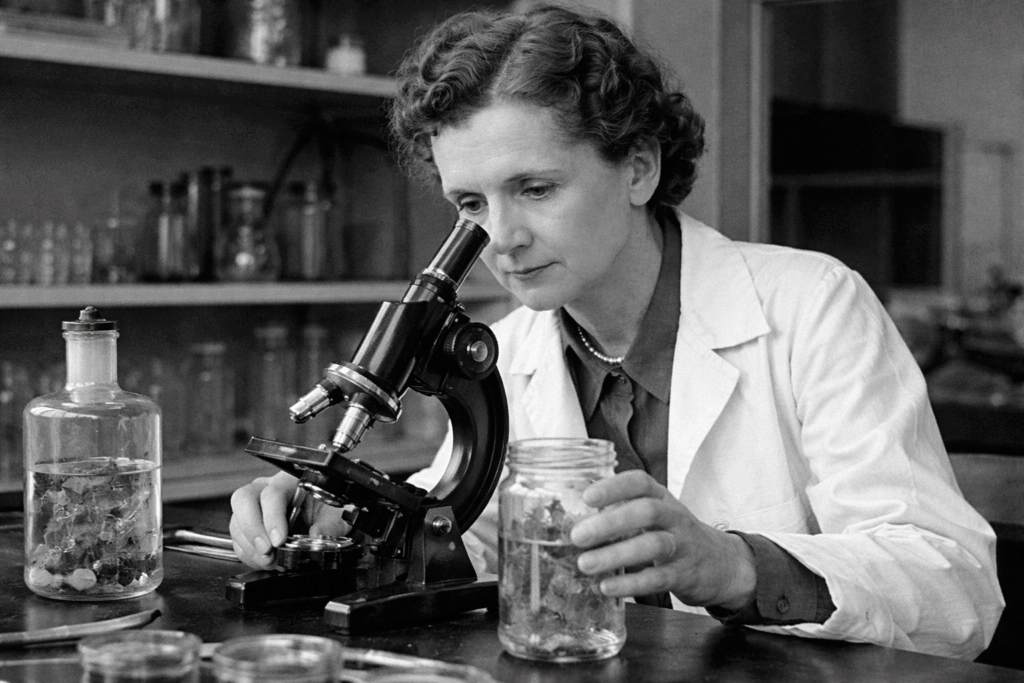
Interestingly, the facts about Rachel Carson begin with a story of determination and intellectual curiosity. Born Rachel Louise Carson on May 27, 1907, she grew up on a modest farm near the Allegheny River, where her mother instilled in her a deep love of nature. This early exposure to the natural world would later form the emotional and intellectual foundation of her life’s work.
Academic Pursuits and Early Challenges
Initially, Carson attended Chatham College (then known as Pennsylvania College for Women), where she majored in English. However, her growing fascination with the sciences soon led her toward marine biology. After earning her bachelor’s degree, she pursued graduate work at the University of Maryland and later obtained a master’s degree from Johns Hopkins University—an impressive feat for a woman in science during the early 20th century.
Could you give this article Facts about Marine Biologists a read when you can? It offers some additional insights on the topic.
From Student to Scientist
After completing her studies, Carson began her professional career as a lab assistant at the Woods Hole Marine Biological Laboratory. Later, she joined the U.S. Bureau of Fisheries as a junior aquatic biologist, where she contributed to wildlife service publications and scientific articles that introduced readers to the beauty and complexity of aquatic life.
At that time, women scientists were rare, and Carson became only the second woman to be hired full-time by the U.S. Bureau of Fisheries. Despite facing gender-based barriers, her talent for clear, poetic writing set her apart, allowing her to explain complex topics in ways the general public could easily grasp.
Writing Career and the Rise of a Literary Scientist
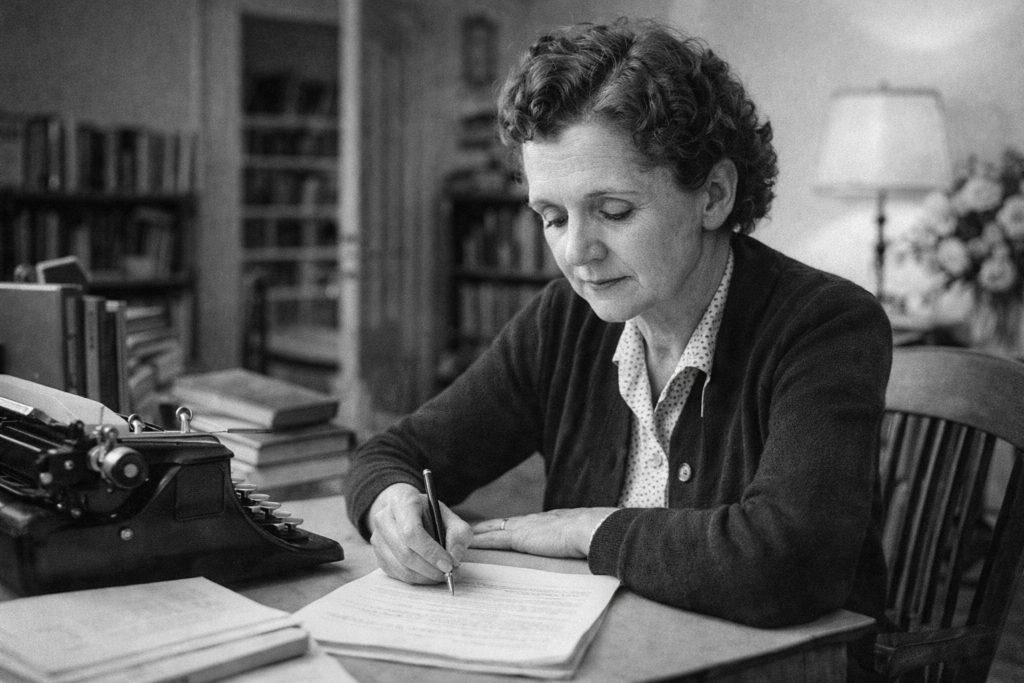
Gradually, facts about Rachel Carson show her evolution from scientist to writer. Her writing career began when she started publishing feature articles in magazines like Atlantic Monthly and Baltimore Sun. Her blend of scientific accuracy and literary grace quickly captured readers’ imaginations.
The First Book – “Under the Sea-Wind”
Her first book, Under the Sea-Wind (1941), introduced readers to the hidden wonders of marine life. Although it was released just before World War II and didn’t initially sell well, it established Carson as a writer who could translate science into art.
Expanding Horizons – “The Sea Around Us” and “The Edge of the Sea”
In 1951, Carson published The Sea Around Us, which became a New York Times Bestseller and won the National Book Award. The success of this book not only brought her fame but also financial independence. She followed it with The Edge of the Sea (1955), further cementing her reputation as both a scientist and a storyteller.
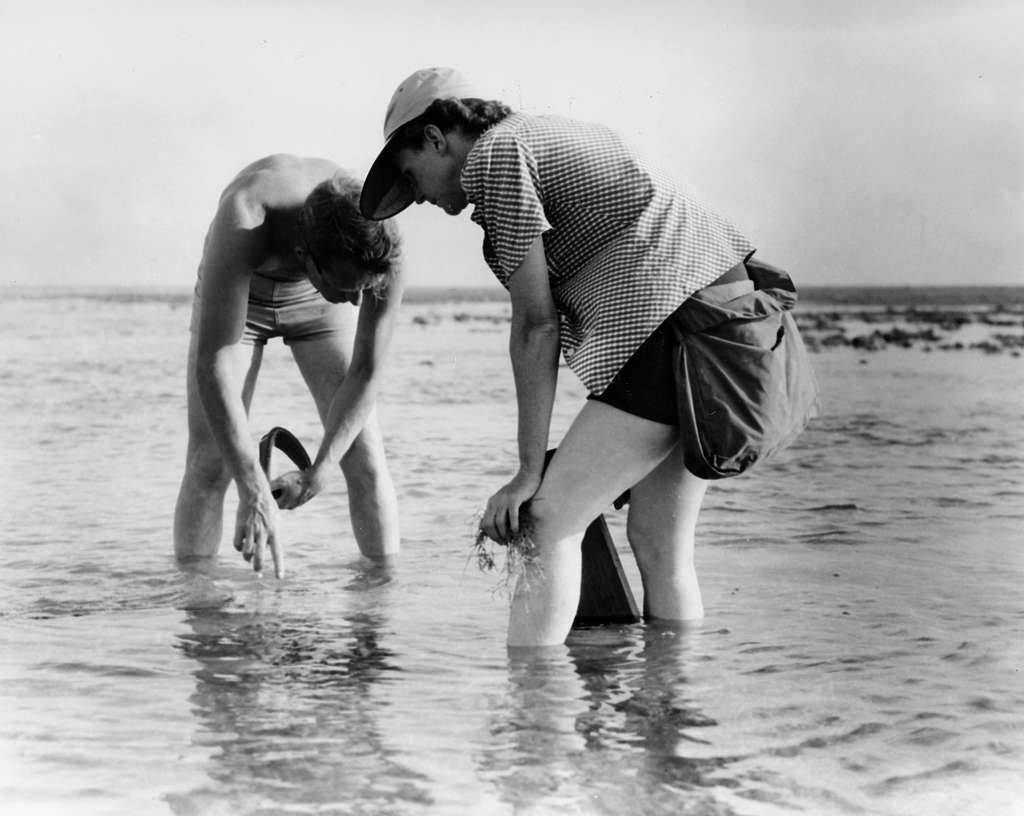
Notably, Carson conducted much of her research near the coast of Maine, where she explored the relationships between marine life and changing ecosystems. Her deep empathy for the natural world resonated with millions and inspired the next generation of scientists and conservationists.
Snippet
Rachel Carson, author of Silent Spring, played a pivotal role in the modern environmental movement. Her research into pesticide use and marine biology reshaped public policy and inspired future generations to protect the planet.
“Silent Spring” and the Awakening of Environmental Consciousness
Unquestionably, one of the most profound facts about Rachel Carson revolves around the publication of her famous book, Silent Spring. Released in 1962, this groundbreaking work transformed global understanding of how human actions affect the natural world. Through vivid descriptions and scientific evidence, Carson exposed the dangers of chemical pesticides like DDT, highlighting how their misuse was poisoning the environment, killing wildlife, and threatening human health.
The Birth of “Silent Spring”
Ironically, the idea for Silent Spring began with a letter from Olga Owens Huckins, who wrote to Carson describing how local birds had died following pesticide spraying near her home. Deeply troubled by the story, Carson started investigating. Her findings, drawn from years of research and communication with experts in the scientific community, revealed a grim reality: unchecked pesticide use was silently devastating animal populations and contaminating food supplies.
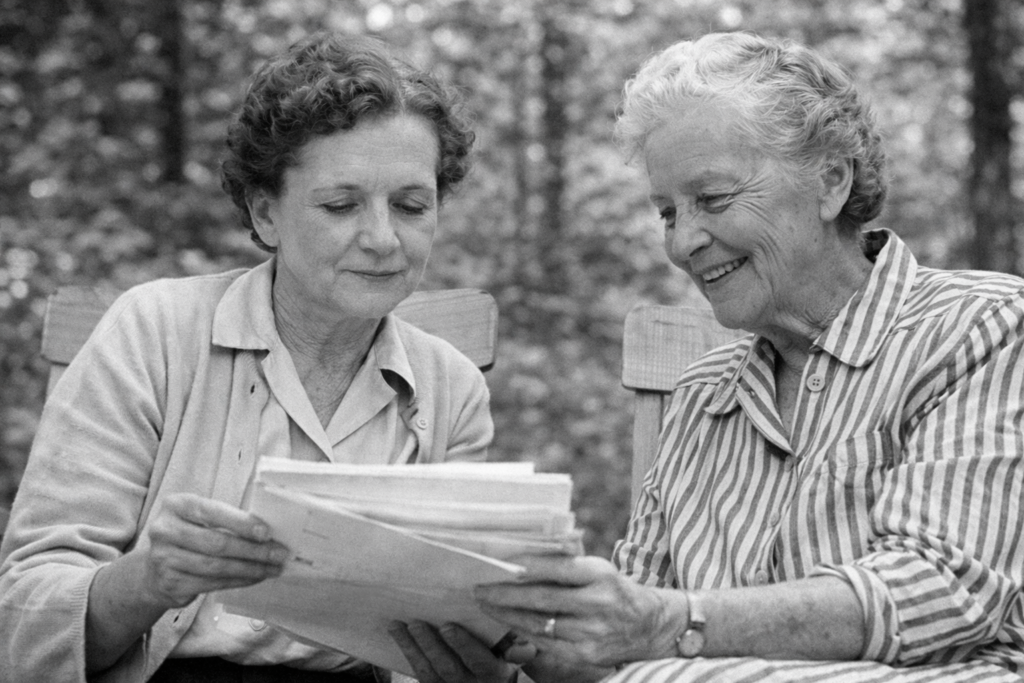
Additionally, her relationship with Dorothy Freeman, a close friend and confidante, played an important emotional role during this time. Their correspondence offered Carson strength and comfort as she faced mounting pressure from chemical companies and government agencies. According to Freeman’s granddaughter, their friendship was one of deep mutual respect, sustained through shared ideals and love of nature.
A Battle Against Powerful Forces
Upon the publication of Silent Spring, the reaction was immediate and intense. Chemical companies launched aggressive campaigns to discredit Carson, labeling her as “hysterical” and “unscientific.” However, her careful research and calm authority resonated with readers and scientists alike.
Furthermore, Carson’s credibility as a marine biologist and her history with the U.S. Bureau of Fisheries gave her arguments immense weight. Major media outlets, including The New Yorker, serialized chapters of Silent Spring, ensuring it reached millions of readers before the book’s full release. The New York Times Bestseller List soon featured it prominently, and the public began demanding action.
Government Response and National Impact
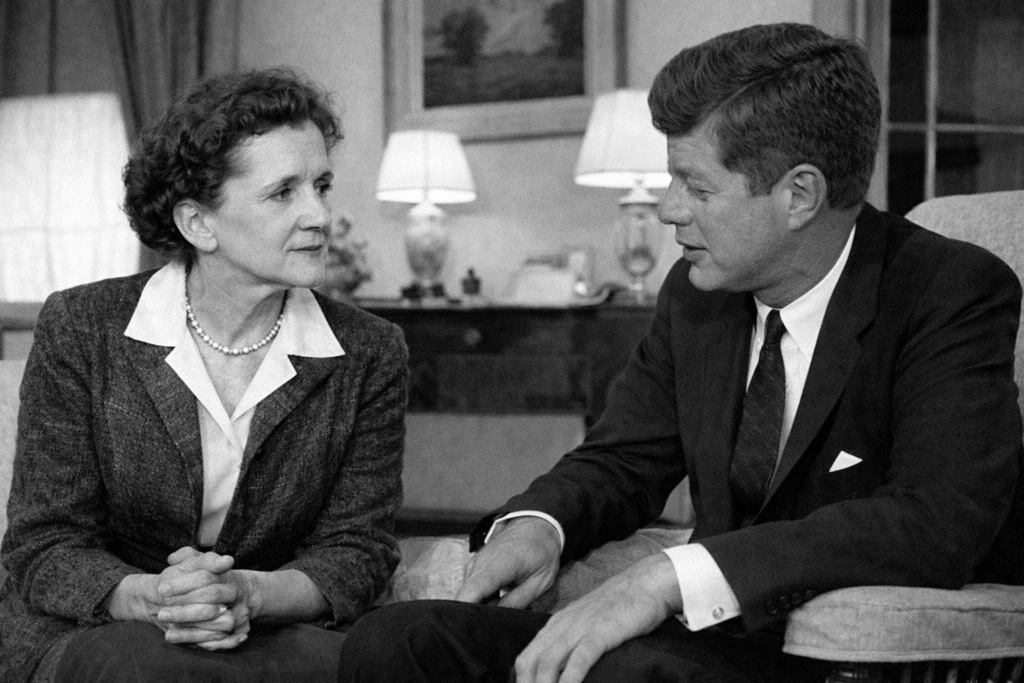
In 1963, President John F. Kennedy ordered the U.S. Fish and Wildlife Service and other government agencies to investigate Carson’s claims. During a televised press conference, he acknowledged that her concerns were worth serious examination. This moment validated Carson’s work, helping usher in environmental reforms that restricted pesticide use and emphasized ecological responsibility.
Silent Spring became not only a book but also a symbol—a turning point that marked the beginning of the modern environmental movement. Its influence led to the creation of the U.S. Environmental Protection Agency (EPA) years later and inspired future environmental laws designed to safeguard future generations.
Rachel Carson’s Personal Struggles and Resilience
Interestingly, while her professional achievements were monumental, another layer of facts about Rachel Carson involves her personal life and health challenges. At the height of her fame, Carson was diagnosed with breast cancer. Despite this devastating illness, she continued to write, speak, and defend her work with extraordinary dignity.
Living with Illness and Legacy in the Making
Throughout her illness, Carson avoided publicizing her condition, fearing it would undermine her credibility in debates against the chemical industry. Nevertheless, she managed to appear in a television interview where she calmly defended her research, despite visible signs of frailty. Her strength inspired countless supporters who admired her determination.
Moreover, Carson’s dedication during this period underscored her sense of purpose. She believed deeply that humanity had a moral obligation to protect the outside world from reckless industrial practices. Her quiet persistence reminded others that one voice, guided by truth and compassion, could indeed challenge entire systems of power.
The Final Years
Carson’s last book, The Sense of Wonder, published posthumously, captured her philosophy of nurturing curiosity and reverence for nature in children. Sadly, in 1964, Rachel Carson died of cancer in Silver Spring, Maryland. Yet her message lived on, echoed in classrooms, conservation groups, and policy discussions around the world.
Indeed, facts about Rachel Carson would be incomplete without acknowledging that her passing did not end her influence. Instead, it solidified her status as a timeless symbol of environmental advocacy and scientific integrity.
Rachel Carson’s Enduring Legacy
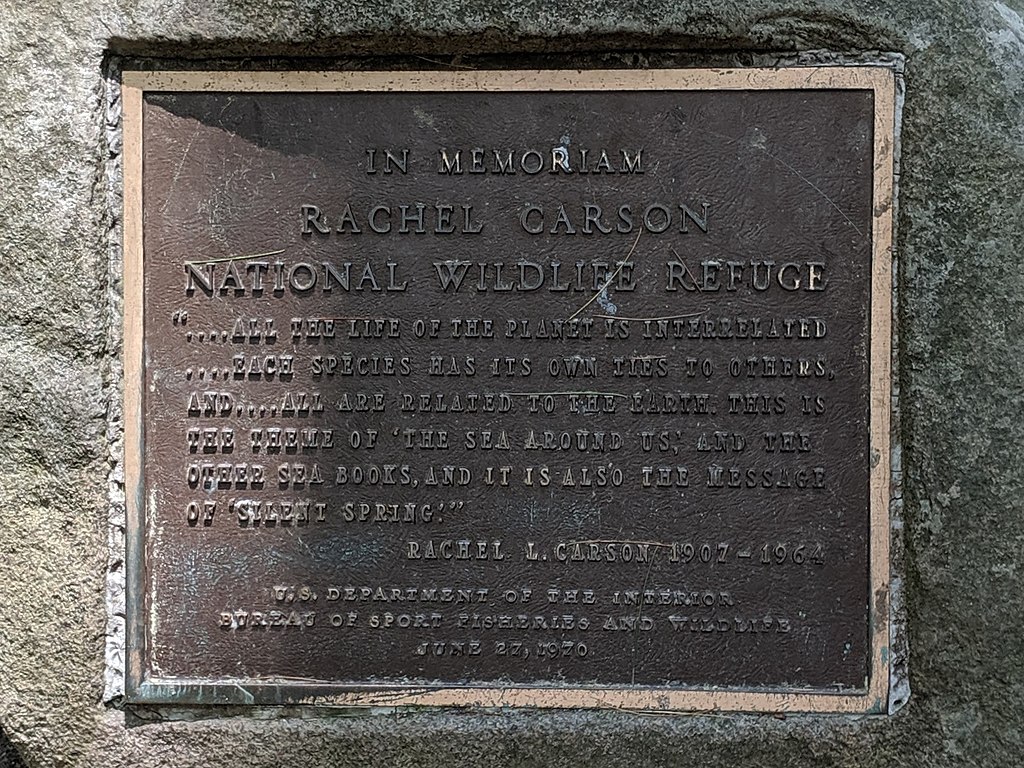
Unmistakably, the legacy of Rachel Carson remains visible in today’s environmental policies, educational programs, and conservation movements. Across the United States, sites like the Rachel Carson Homestead and the Rachel Carson National Wildlife Refuge serve as enduring reminders of her life’s work.
Influence on Future Generations
As her influence expanded, schools, writers, and scientists began to honor Carson’s achievements. She inspired people such as Linda Lear, who later authored Rachel Carson: Witness for Nature, providing an in-depth exploration of her life and impact. Environmental awards and research programs continue to bear her name, reinforcing her pivotal role in shaping eco-conscious thought.
Connection to Modern Environmentalism
Today, environmental advocacy, sustainability programs, and ecological restoration projects all trace their roots to Carson’s ideas. Her warnings about the interconnectedness of human health, marine life, and industrial practices remain as relevant as ever. Additionally, her influence extends to climate awareness efforts, biodiversity conservation, and responsible agriculture—all core principles that stem from her vision for the natural world.
Fact and Source:
According to the U.S. Fish and Wildlife Service, Carson’s Silent Spring directly influenced the 1972 U.S. ban on DDT, a pesticide once widely used in agriculture (source: U.S. Fish & Wildlife Service).
Rachel Carson and Her Literary and Cultural Influences
Naturally, one of the most fascinating facts about Rachel Carson is how her literary style bridged the gap between science and art. She was not only a scientist but also a gifted storyteller who admired authors such as William Faulkner and F. Scott Fitzgerald. Her narrative voice—lyrical yet precise—transformed dense scientific subjects into captivating prose that appealed to both academics and the general public.
The Power of Carson’s Writing
Interestingly, Carson’s writing drew upon the rhythm and imagery found in classic American literature. Her descriptions of marine life and the natural world echoed a sense of reverence usually reserved for poetry. Through this artistry, she made readers feel emotionally connected to ecosystems they might never see firsthand.
Additionally, Carson believed that science should not be confined to laboratories or academic journals. Instead, it should reach everyone who depended on the Earth’s resources—a philosophy reflected in her contributions to radio programs, wildlife service publications, and essays published in outlets like Atlantic Monthly and Baltimore Sun.
Her writing style—both accessible and profound—encouraged readers to see themselves as stewards of nature rather than passive observers. Therefore, it’s unsurprising that she’s often credited with shaping the modern genre of environmental literature.
Rachel Carson’s Role in Media and Public Discourse
Undoubtedly, another significant aspect of the facts about Rachel Carson lies in her skillful use of media. Long before social media campaigns and digital activism existed, Carson leveraged print, radio, and television to share her message.
Media Appearances and Public Reaction
Following the publication of Silent Spring, Carson’s calm, reasoned voice captivated audiences across the United States. During a televised press conference, she was asked whether her findings had exaggerated the dangers of pesticides. She responded firmly but respectfully, emphasizing that her goal was not to end pesticide use entirely, but to ensure its civilian use was guided by safety and scientific responsibility.
Moreover, Carson’s appearance on CBS Reports in 1963 brought her message to millions of households. For many Americans, this was their first encounter with the idea that chemicals designed to protect crops could, in fact, harm the food supply and human health. Her poise and clarity during these moments earned her admiration, even among skeptics.
The Scientific Community’s Changing Attitudes
Initially, members of the scientific community were divided over Carson’s findings. Some viewed her as a revolutionary voice, while others—often influenced by the chemical industry—dismissed her warnings as alarmist. Over time, however, more scientists began to support her research, particularly as evidence of pesticide-related ecological damage became impossible to ignore.
Eventually, her influence led to major reforms within government agencies, transforming how scientific research was communicated to policymakers and the public.
The Broader Cultural Impact of Rachel Carson
Beyond the scientific sphere, facts about Rachel Carson reveal her profound effect on literature, policy, and global consciousness. Her courage during the publication of Silent Spring emboldened journalists, scientists, and activists to question corporate and governmental narratives about safety and progress.
The Connection Between Science and Society
Furthermore, Carson’s work prompted vital discussions about the role of science in shaping ethical decisions. She urged the public to consider not just what science could do, but what it should do. This shift in thinking became central to the modern environmental movement, influencing fields such as ecology, toxicology, and environmental law.
Many historians credit Carson with laying the moral and intellectual foundation for movements that would later confront issues like climate change, pollution, and biodiversity loss. Her ideas continue to guide scientists working to balance progress with preservation.
Honors and Recognition
Following her death, Carson received numerous posthumous honors. Her home in Pennsylvania was designated a National Historic Landmark, and her name graces schools, wildlife refuges, and research institutions.
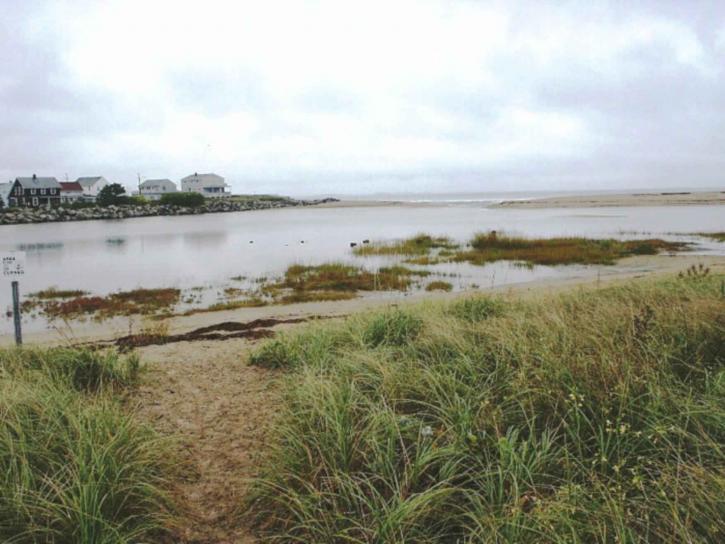
Moreover, the Rachel Carson National Wildlife Refuge in Maine stands as a living tribute to her advocacy for conservation. The refuge protects thousands of acres of coastal habitat and serves as a reminder of the delicate relationship between people and the outside world.
In addition, Carson’s legacy of Rachel Carson lives on in countless government agencies and organizations devoted to environmental protection. Her life demonstrates that one person’s conviction can alter the course of history.
Rachel Carson’s Writing Techniques and Philosophy
Evidently, another of the lesser-known facts about Rachel Carson lies in her innovative approach to communication. Rather than overwhelming readers with data, she blended storytelling, imagery, and empathy to inspire change.
Carson’s Book Structure and Themes
Her books often followed a simple yet powerful pattern: a blend of observation, scientific explanation, and moral reflection. For instance, in The Sea Around Us and The Edge of the Sea, Carson used the ocean as both subject and symbol—representing life’s interconnectedness and the mystery of the natural world.
Similarly, in Silent Spring of Rachel Carson, she used the metaphor of silence to convey the loss of birdsong as pesticides ravaged ecosystems. Through this, she encouraged readers to listen—not only to science but also to the silence that signals ecological imbalance.
Influence on Science Writers
Carson paved the way for future science writers who sought to bridge the gap between research and public understanding. Her clear, empathetic tone inspired authors, environmental educators, and journalists worldwide.
Writers such as Linda Lear and Freeman’s granddaughter have since expanded upon Carson’s narrative, exploring her personal letters and field notes to reveal the depth of her commitment to truth and compassion.
Snippet
Rachel Carson, author of Silent Spring, exposed the dangers of chemical pesticides and inspired the modern environmental movement. Her influence continues to guide science, policy, and global conservation efforts.
Facts About Rachel Carson: Frequently Asked Questions
Undeniably, the facts about Rachel Carson continue to spark curiosity even decades after her passing. Below are some of the most frequently asked questions that shed light on her life, work, and enduring impact.
What was Rachel Carson best known for?
Rachel Carson was best known for her groundbreaking book Silent Spring, published in 1962. It exposed the harmful effects of chemical pesticides on the natural world, especially on animal populations and human health. This publication played a pivotal role in launching the modern environmental movement.
How did Rachel Carson influence government policy?
Following the publication of Silent Spring, President John F. Kennedy directed government agencies to investigate Carson’s claims about pesticide use. Her findings led to stricter regulations, eventually prompting the 1972 U.S. ban on DDT. Furthermore, her work inspired the formation of the Environmental Protection Agency (EPA), marking a significant shift toward environmental accountability.
What were Rachel Carson’s main achievements?
Among the many facts about Rachel Carson, her achievements stand out both in science and literature. She earned a master’s degree in marine biology from Johns Hopkins University, became one of the first female scientists at the U.S. Bureau of Fisheries, and authored several New York Times Bestsellers, including The Sea Around Us, which won the National Book Award.
Who was Dorothy Freeman and why was she important to Rachel Carson?
Dorothy Freeman was Rachel Carson’s close friend, confidante, and emotional anchor during the most challenging years of Carson’s career. Their correspondence revealed a deep intellectual and personal bond that strengthened Carson’s resolve amid relentless attacks from the chemical industry. Indeed, facts about Rachel Carson would be incomplete without acknowledging Freeman’s influence on her emotional resilience.
Did Rachel Carson face opposition from scientists or companies?
Yes, Carson faced fierce opposition from the chemical industry and certain sectors of the scientific community. Companies producing pesticides publicly accused her of being unscientific and even anti-progress. Nevertheless, her research was later validated by independent studies, proving her accuracy and reinforcing her reputation as one of the most courageous science writers of her time.
How did Rachel Carson’s education shape her work?
Carson’s educational background played a defining role in her career. She attended Pennsylvania College (now Chatham University), earned her bachelor’s degree, and pursued graduate work at Johns Hopkins University. Her time at the University of Maryland and Woods Hole Marine Biological Laboratory gave her the scientific foundation to write authoritatively about marine life and aquatic ecosystems.
What was Rachel Carson’s relationship with the media like?
Carson maintained a thoughtful relationship with the media. She frequently contributed feature articles to publications like Atlantic Monthly and Baltimore Sun., where she discussed environmental science in relatable terms. Later, her appearance in a television interview defending Silent Spring further solidified her reputation as a calm yet persuasive communicator.
What happened after Rachel Carson’s death?
Tragically, Rachel Carson died of cancer in 1964 in Silver Spring, Maryland. However, her influence endured. Her legacy of Rachel Carson inspired environmental policies, conservation movements, and academic research worldwide. Today, places such as the Rachel Carson National Wildlife Refuge and Rachel Carson Homestead honor her enduring contributions to nature and science.
How did Rachel Carson’s books change public perception of nature?
Her writings transformed how people viewed the outside world. Through works like The Sea Around Us, The Edge of the Sea, and Silent Spring of Rachel Carson, she portrayed the environment as an interconnected system in which every organism, including humans, plays a vital role. As a result, readers began to appreciate the delicate balance between progress and preservation.
What can future generations learn from Rachel Carson?
Future generations can learn the importance of speaking truth to power, respecting scientific evidence, and nurturing a love of nature. Carson’s courage reminds us that change often begins with one determined individual willing to challenge harmful norms for the sake of the planet and its people.
Facts About Rachel Carson Conclusion – The Timeless Influence of Rachel Carson
Ultimately, the facts about Rachel Carson reveal far more than a biography—they tell the story of a visionary who reshaped humanity’s relationship with the Earth. Through her eloquence, scientific integrity, and compassion, she transformed fear into action and apathy into awareness.
Indeed, her first book, Under the Sea-Wind, introduced the world to the poetry of marine life, while Silent Spring unveiled the invisible connections between human behavior and environmental degradation. Despite immense opposition from the chemical industry, Carson’s courage ensured that her message reached not only scientists but also policymakers, students, and the general public.
Furthermore, Carson’s legacy continues to influence government agencies, academic institutions, and grassroots organizations that protect biodiversity and combat environmental pollution. Her warnings about pesticide use echo in modern debates about climate change and sustainable agriculture, reminding society that the future generations depend on today’s actions.
Equally, her story demonstrates that empathy and intellect can coexist—that science, when guided by ethics, can illuminate the path toward healing both nature and ourselves. Every ocean wave, birdsong, and clean breath of air we enjoy today bears the imprint of Rachel Carson’s vision.
Therefore, remembering these facts about Rachel Carson is not just an act of honoring history; it is a call to continue her work. For as she once wrote, “The more clearly we can focus our attention on the wonders and realities of the universe about us, the less taste we shall have for destruction.”
You’ll love this article The Best 37 Interesting Facts About Hillary Clinton
External Reference:
Learn more about Rachel Carson’s legacy and her influence on modern ecology at the U.S. Fish & Wildlife Service.


