68 Amazing Facts About Poland That Will Surprise You
Facts About Poland
Poland, located in Central Europe, is known for its rich history, stunning landscapes, and cultural treasures. Key facts about Poland include the world’s largest castle at Malbork, UNESCO sites like Białowieża Forest and Wieliczka Salt Mine, famous figures such as Copernicus and Marie Curie, and traditions like pierogi, name day celebrations, and mushroom picking.
Among the many countries in Central Europe, Poland stands out as one of the most fascinating places to explore. Known for its rich history, resilient spirit, and breathtaking landscapes, Poland has gained recognition worldwide.
From the bustling streets of the capital of Poland to the serene beauty of its national parks, the country offers countless stories worth sharing. Therefore, exploring the most interesting facts about Poland becomes not only an educational journey but also a way to understand a nation that has played a crucial role in shaping Europe.
Interestingly, Poland is the ninth largest country in Europe by land area, making it a significant hub in Eastern Europe. Consequently, it has been at the crossroads of history, enduring invasions, partitions, and periods of communist rule.
Yet, despite these challenges, the Polish people have preserved their culture, traditions, and resilience. Moreover, Poland is a member of the European Union, further connecting it to the modern world.
Because readers often seek engaging and relatable insights, this article will highlight fun facts, historical details, and cultural gems.
In doing so, it will provide a comprehensive perspective on Poland, from the Wieliczka Salt Mine to the world’s largest castle. As a result, anyone interested in history, travel, or culture will find something remarkable about this nation.
Poland’s Geography and Land Area
Location in Central Europe
Located in the heart of Central Europe, Poland shares its borders with seven countries, including the Czech Republic, Germany, Slovakia, and Ukraine. Its geographical position has influenced its political and cultural development over centuries.
Land Area and Natural Beauty
With a land area of over 312,000 square kilometers, Poland is among the largest countries in Europe. Therefore, visitors encounter a variety of landscapes ranging from the Baltic Sea coastlines to the towering Tatra Mountains. Additionally, the country boasts diverse ecosystems, with forests, rivers, and plains that make it ideal for outdoor activities and wildlife enthusiasts.
Unique Natural Sites
- Białowieża Forest: One of Europe’s last primeval forests, home to the rare European bison.
- Błędowska Desert: A surprising stretch of sandy terrain in southern Poland, often called the “Polish Sahara.”
- National Parks: Over 20 protected areas preserve Poland’s natural treasures, offering both education and adventure.
Historical Records and Rich History
Poland’s Origins and Early Development
Documented in historical records, the beginnings of the Polish state trace back to the 10th century. By the 13th century, Poland had already established itself as a significant European kingdom. Moreover, it later became part of the Polish-Lithuanian Commonwealth, once one of the largest and most powerful states in Europe.
Resilience Through Challenges
Poland’s history reflects resilience against invasions, partitions, and occupations. In the late 18th century, the country was divided among neighboring powers, disappearing from maps for more than a century. However, Polish citizens continued to preserve their language, culture, and traditions despite oppression.
Role in Modern History
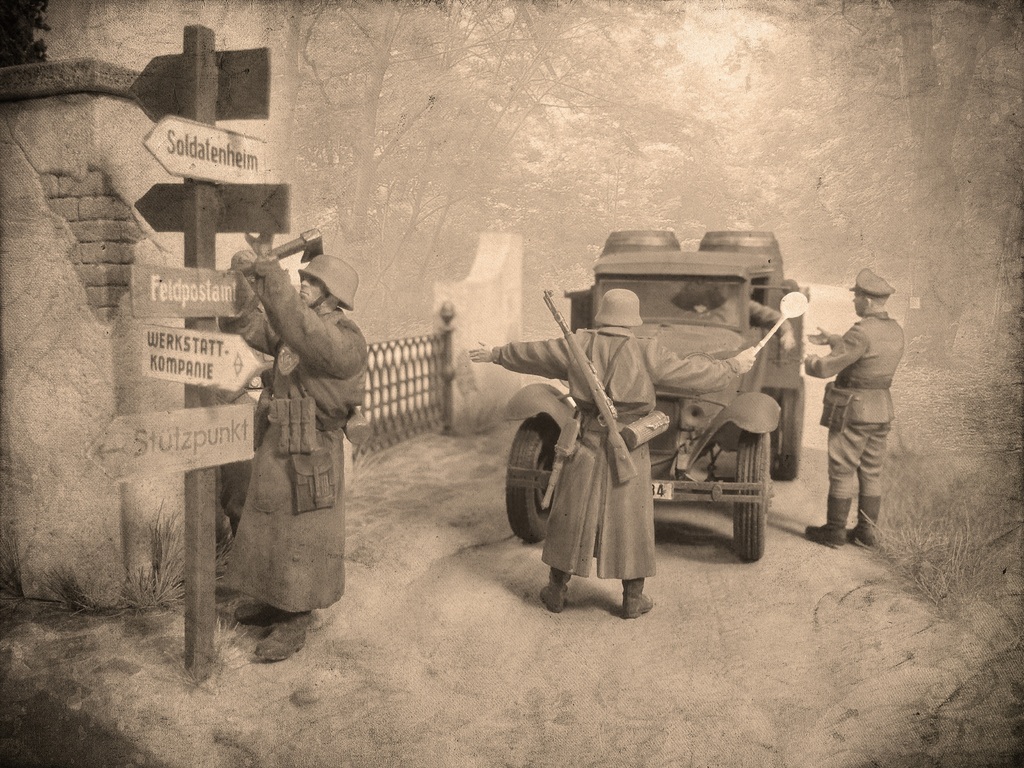
- World War II: Poland was invaded by Nazi Germany and later occupied by the Soviet Union. The consequences were devastating, but the bravery of Polish people remains well-remembered.
- Communist Rule: Following the war, a communist government dominated the country until the 1980s. The Solidarity Movement eventually played a crucial role in dismantling communist rule across Eastern Europe.
- Republic of Poland: Today, Poland stands as a democratic state with one of the fastest-growing economies in the European Union.
Fun Facts About Poland’s Cities
Capital of Poland – Warsaw
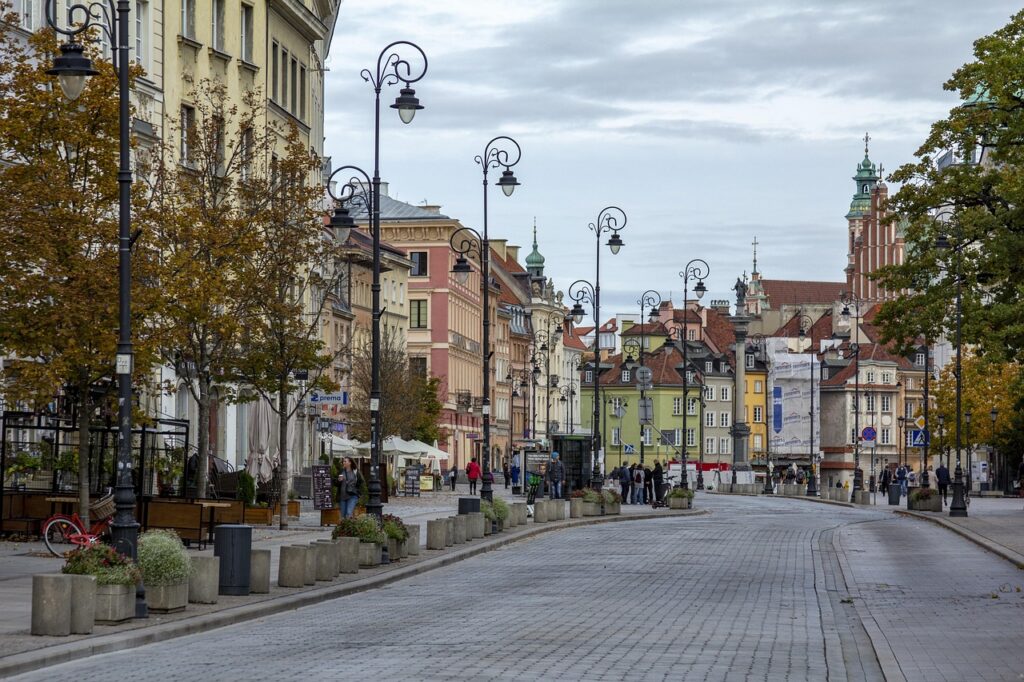
The capital city, Warsaw, has risen from the ashes after being nearly destroyed during World War II. Today, its Old Town—painstakingly reconstructed—has been recognized as a UNESCO World Heritage Site. Therefore, Warsaw represents both resilience and rebirth, symbolizing the enduring spirit of Polish citizens.
Kraków and Its Treasures
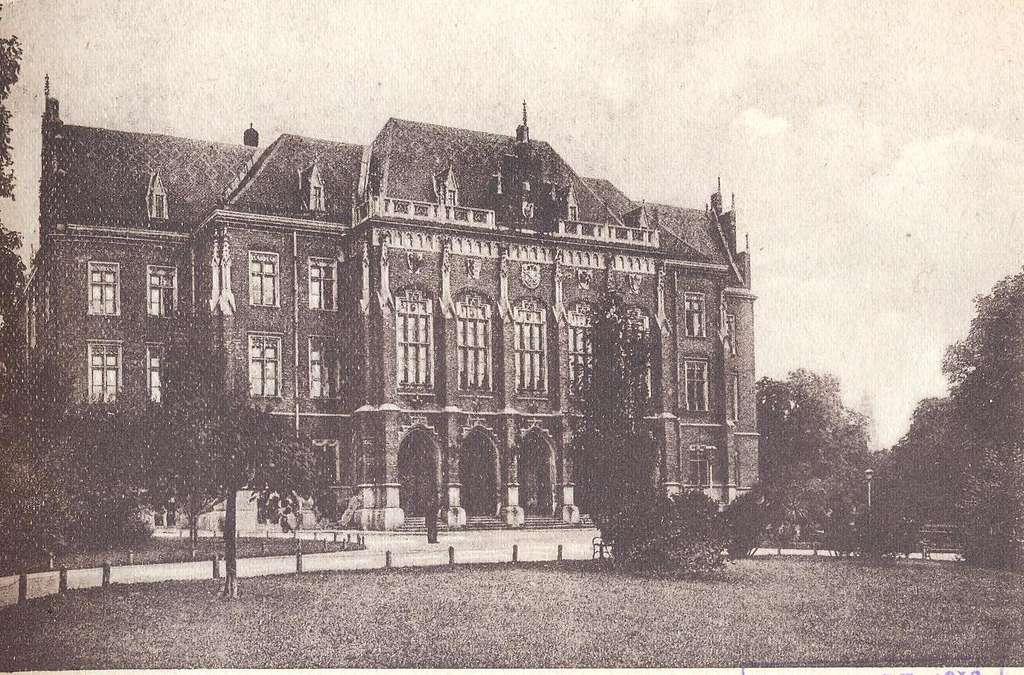
Another jewel of Polish culture is Kraków, home to the Jagiellonian University, one of the oldest universities in Europe. Moreover, the city boasts Wawel Castle and a vibrant market square that attract millions of tourists annually.
Gdańsk and the Baltic Sea
Situated along the Baltic Sea, Gdańsk is renowned for its maritime history and significance in Poland’s political changes. It was here that the Solidarity Movement first began, setting the stage for political transformation in the entire region.
Poland’s Cultural Identity and Traditions
Deep Roots in Polish Culture
Because of its rich history, Poland’s cultural identity has been shaped by centuries of tradition, resilience, and adaptation. The Polish language, as the official language, unites millions of Polish citizens both in the homeland and abroad. Additionally, the Catholic Church, with its majority Roman Catholic population, has played a significant role in shaping the nation’s values and customs.
Celebrations and Social Gatherings
Among the many interesting Poland facts, national holidays and traditions stand out as unique markers of identity.
- Christmas Eve: Known as Wigilia, it is a cherished family gathering filled with traditional dishes such as carp and pierogi.
- Easter Sunday and Easter Monday: Easter traditions are strong, with Easter Monday (Śmigus-Dyngus) involving playful water fights across the country.
- Corpus Christi: A major religious festival celebrated with colorful processions through towns and villages.
- Name Day: Instead of birthdays, many Poles celebrate their name day, an event just as important in Polish culture.
Polish Food – A National Treasure

Because cuisine reflects national identity, Polish food plays a central role in everyday life and festive occasions. Popular family activity often involves preparing and sharing meals. Traditional dishes include:
- Pierogi (dumplings stuffed with meat, cheese, or fruit)
- Bigos (hunter’s stew with sauerkraut and meat)
- Żurek (sour rye soup)
- Kielbasa (Polish sausage)
- Edible mushrooms gathered in forests, as mushroom picking is a popular activity
Moreover, Polish vodka has earned international recognition, often considered among the best in the world.
Famous Polish People and Contributions
Scientific Contributions
Among the most inspiring facts about Poland is its legacy of great thinkers and scientists.
- Nicolaus Copernicus: The first person to propose the heliocentric model, changing how the universe was understood.
- Marie Curie (Maria Skłodowska): The first woman to win a Nobel Prize, and the only person to win in two different scientific fields. Alongside Pierre Curie, she conducted pioneering research on radioactivity.
- Joseph Ignacy Łukasiewicz: Inventor of the modern kerosene lamp, whose contributions remain crucial to energy history.
Arts and Music
Poland has also made significant contributions to global culture.
- Frédéric Chopin: Known worldwide for his piano compositions that blend passion with Polish folk influences.
- Bernardo Bellotto: An artist whose paintings of Warsaw were later used to reconstruct the city’s Old Town after World War II.
If your into music and have some free time, it might be helpful to check out this article 27 Facts about Ludwig Van Beethoven.
Leaders and National Figures
- Pope John Paul II: A spiritual leader who played a crucial role in inspiring resistance against communist rule.
- Polish kings and queens: Figures from Poland’s monarchy during the Middle Ages shaped the early development of the Polish state.
Architecture, Landmarks, and World Heritage Sites
UNESCO World Heritage Sites in Poland
Because of its long history, Poland has many places recognized as UNESCO World Heritage Sites. These include:
- Old Town in Warsaw – a symbol of national resilience.
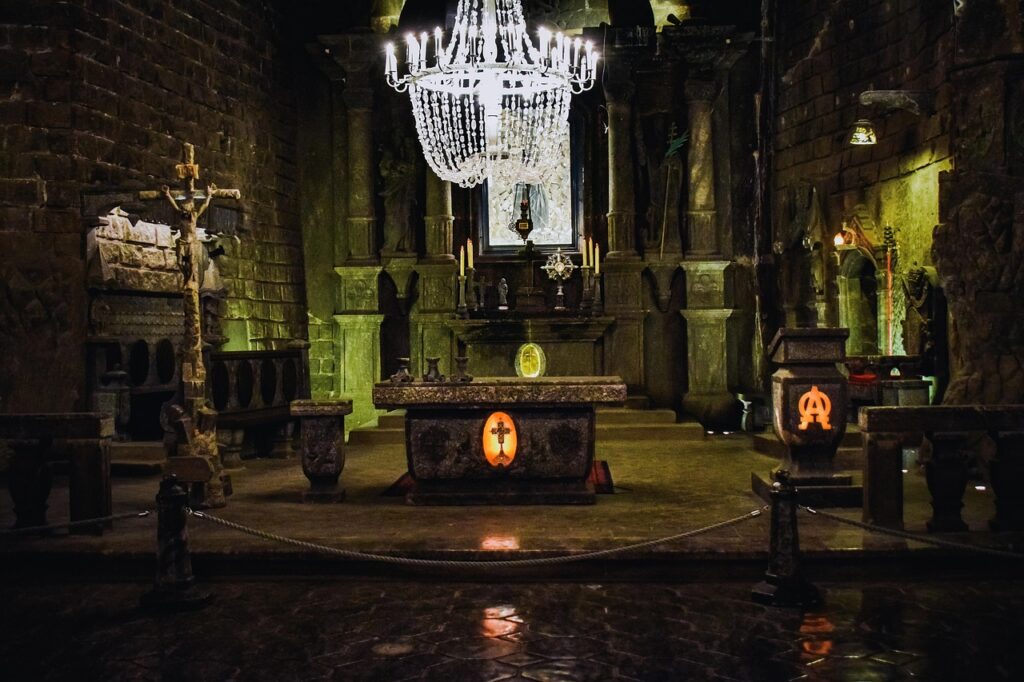
- Wieliczka Salt Mine – a vast underground labyrinth of tunnels, chapels, and sculptures carved in salt.
- Białowieża Forest – a rare natural site where the European bison roams freely.
- Malbork Castle – the world’s largest castle, built by the Teutonic Knights, a fascinating tourist attraction.
Other Architectural Wonders
- Warsaw Radio Mast: Once the world’s tallest structure, representing Poland’s engineering achievements.
- Palace of Culture and Science: A towering landmark in Warsaw gifted by the Soviet Union, still a subject of debate among Polish citizens.
- Europe’s Oldest Restaurant: Located in Wrocław, it continues to serve traditional Polish dishes.
- World’s First Upside-Down House: A quirky tourist attraction that reflects Poland’s sense of humor.
Poland’s Role in History
World War II and Its Consequences
Among the most tragic facts about Poland is its central role in World War II. On September 1, 1939, Nazi Germany invaded Poland, sparking the beginning of the conflict. Soon after, the Soviet Union invaded from the east, leaving the country divided.
Consequently, Poland endured devastating losses, with millions of Polish citizens perishing during the occupation. The destruction of cities like Warsaw remains one of the darkest chapters in Polish history.
Communist Rule and Resistance
After the war, Poland fell under a communist government, aligned with the Soviet Union. Life during this era was marked by shortages, censorship, and restrictions on freedoms. However, the Solidarity Movement, led by Lech Wałęsa, eventually inspired resistance across the region. Therefore, Poland played a crucial role in the collapse of communist rule in Eastern Europe.
Democratic Poland and the European Union
With the fall of communism in 1989, Poland transitioned into the Republic of Poland. Its adoption of democratic values and market reforms quickly transformed the nation. As a result, Poland joined the European Union in 2004, strengthening its economy and position in Central Europe. Today, it stands as a proud member of the international community.
Would you mind read this article a read when you have a moment Interesting Facts About Hungary.
Education and Intellectual Heritage
Oldest Universities
Among the most interesting Poland facts is its long tradition of education. The Jagiellonian University, founded in 1364, is one of the oldest universities in Europe. It has produced countless scholars who made significant contributions in science, literature, and philosophy.
International Students and Modern Education
Because Poland is affordable compared to Western Europe, it attracts thousands of international students each year. Additionally, universities continue to expand, offering programs in English and fostering a younger generation of globally connected graduates.
Poland’s Constitution and Political Achievements
The Polish Constitution
Poland holds the honor of adopting the world’s second written constitution in 1791, after the United States. Known as Poland’s Constitution of May 3rd, it was a groundbreaking document that established progressive reforms for its time. Interestingly, May 3rd remains a national holiday, celebrated with pride by Polish citizens.
Political Legacy
- Polish-Lithuanian Commonwealth: Once a powerful entity in Europe, remembered for pioneering parliamentary traditions.
- Late 18th Century Decline: Despite its innovations, the state was partitioned and erased from the map for over a century.
- Rebirth: The enduring spirit of Polish people ensured the survival of their identity and eventual restoration of independence.
Modern Society and Polish Culture
Polish Citizens in Daily Life
Because traditions remain important, Polish citizens balance modern life with cultural customs. Social gatherings often revolve around meals, holidays, and festivals. Moreover, Polish families continue to teach respect for history while encouraging the younger generation to engage with global culture.
Religion and National Identity
With the majority identifying as Roman Catholic, religion continues to play a central role in shaping Poland’s identity. Churches are not only spiritual centers but also places of historical importance.
National Symbols
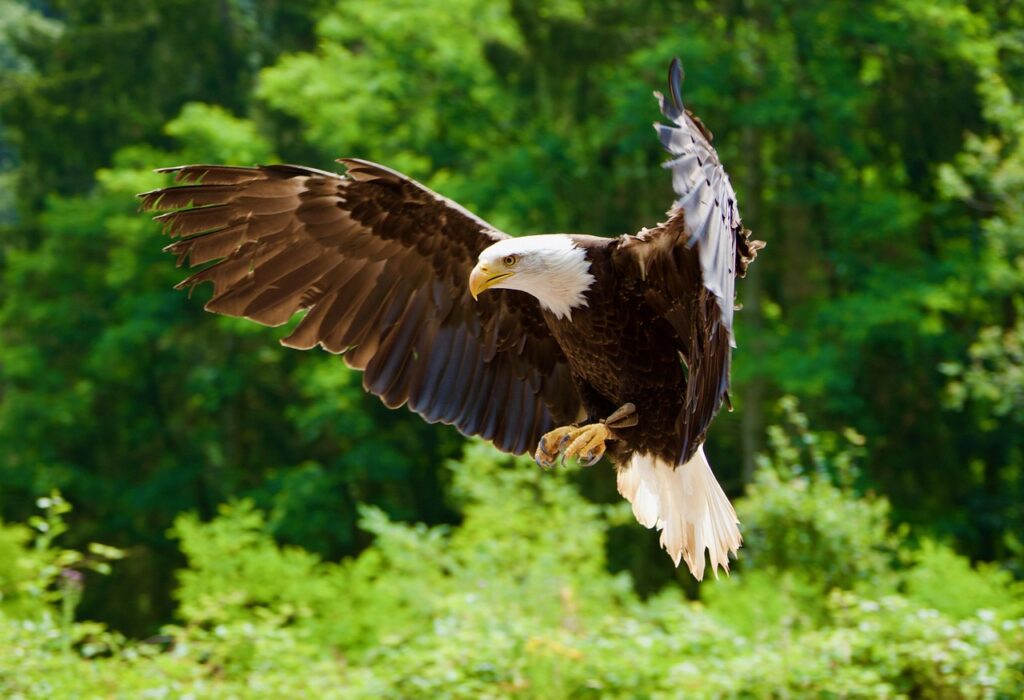
- White-tailed Eagle: The official national symbol of Poland, appearing on its coat of arms.
- Polish Kings: Historical figures still honored in monuments and literature.
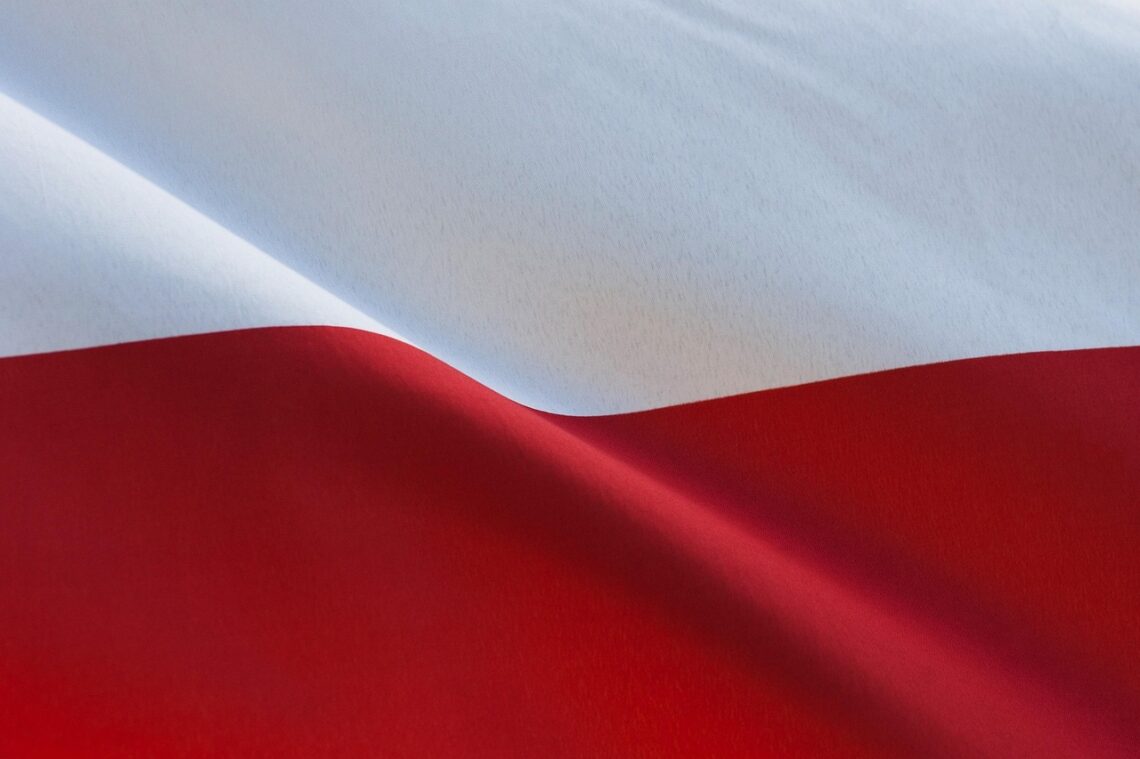
- Flag and Anthem: Markers of unity that continue to inspire pride among Polish citizens.
Festivals, Music, and Polish Lifestyle
Festivals That Define Polish Culture
Because festivals provide insight into a country’s identity, Poland’s celebrations reveal its blend of tradition and modernity.
- Woodstock Festival (Pol’and’Rock Festival): A massive rock festival and one of the largest free music events in Europe.
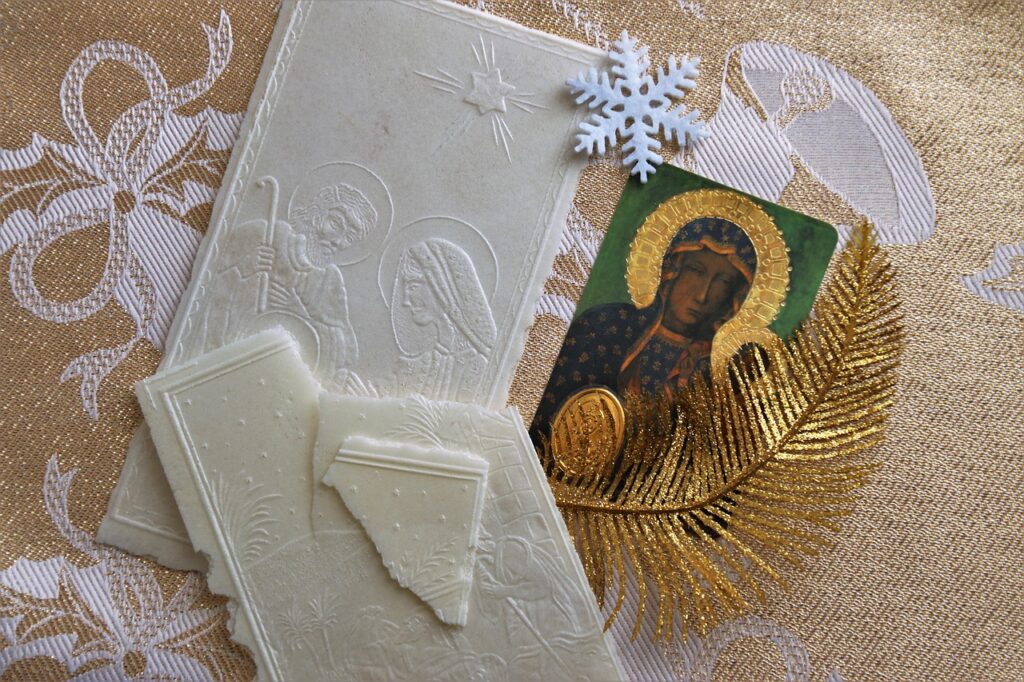
- Christmas Eve: A family-centered holiday with traditions like breaking a wafer (opłatek) before the meal.
- Easter Sunday and Easter Monday: Marked by church services, colorful decorations, and playful water fights.
- Corpus Christi: Known for elaborate parades, it demonstrates the strong influence of the Catholic Church.
Music and Artistic Achievements
Polish contributions to music and the arts remain globally recognized.
- Frédéric Chopin: His romantic piano pieces are celebrated worldwide, blending national spirit with universal appeal.
- Contemporary Music: Modern artists keep the tradition alive while appealing to a younger generation.
- Theater and Film: Poland has produced acclaimed directors and frequently hosts international festivals showcasing foreign movies.
Fun and Interesting Poland Facts
Popular Activities
Because traditions often combine with leisure, some activities stand out as uniquely Polish.
- Mushroom Picking: A popular family activity, especially in autumn, reflecting a strong connection to nature.
- Edible Mushrooms: A prized ingredient in Polish cooking, often gathered from open fields and forests.
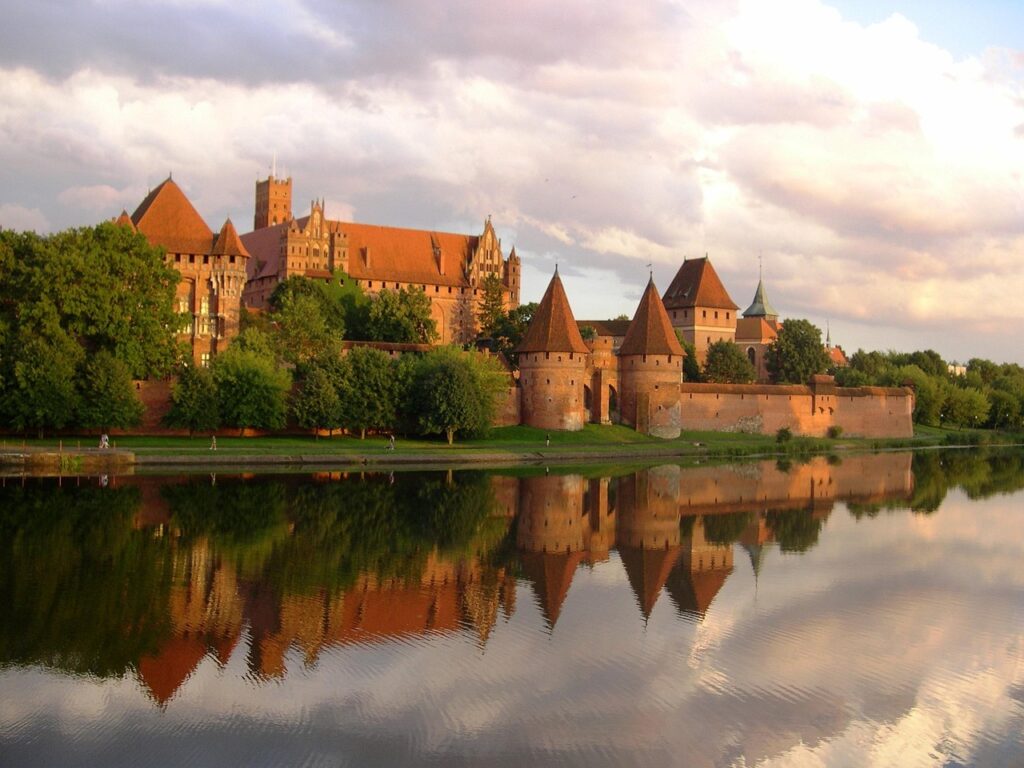
- Tourist Attractions: From Malbork Castle to the quirky world’s first upside-down house, the country never ceases to surprise visitors.
Lesser-Known Curiosities
- Warsaw Radio Mast: Once the world’s tallest structure, towering at over 600 meters until its collapse in 1991.
- Biggest Castle: The world’s largest castle, Malbork, showcases Gothic architecture and the power of the Teutonic Knights.
- Europe’s Oldest Restaurant: Piwnica Świdnicka in Wrocław has been serving guests since the 13th century.
- Bulletproof Vest: Invented by a Polish immigrant in the United States, it highlights the nation’s significant contributions to innovation.
Snippet-Friendly Highlight
Quick Fact: Poland is home to 16 UNESCO World Heritage Sites, including natural wonders like the Białowieża Forest and historic landmarks such as Wieliczka Salt Mine (Source: UNESCO).
Polish Food and Dining Culture
Traditional Dishes That Define Poland
Because food carries tradition, Polish cuisine reflects the country’s rich history and cultural influences.
- Pierogi: Dumplings stuffed with a variety of fillings, from savory meats to sweet fruits.
- Bigos: Known as hunter’s stew, combining sauerkraut, meat, and spices.
- Żurek: A sour rye soup often served with sausage and eggs.
- Polish Vodka: A globally recognized spirit, deeply tied to Polish culture.
Social Gatherings Around Food
Meals are more than nourishment; they are social events. Therefore, family dinners, weddings, and holiday feasts become central to Polish culture. Additionally, hospitality is a cornerstone, with guests always welcomed warmly.
Poland’s Place in the Modern World
Younger Generation and Globalization
Because Poland has embraced democracy and the European Union, its younger generation enjoys opportunities for international travel, study, and work. Nevertheless, they maintain ties to their cultural roots, blending tradition with modern global trends.
International Contributions
- Polish Constitution: A milestone in democratic governance.
- Nobel Prize Winners: From literature to science, Poles have made significant contributions globally.
- First Woman Achievements: From Marie Curie to modern leaders, Poland has celebrated pioneers who broke barriers.
Facts About Poland FAQs
What are some fun facts about Poland?
Poland is home to the world’s largest castle (Malbork Castle), the world’s first upside-down house, and once hosted the world’s tallest structure (Warsaw Radio Mast). Mushroom picking is also a popular activity enjoyed by Polish citizens.
What is Poland famous for internationally?
Poland is famous for its rich history, the Solidarity Movement, Marie Curie’s Nobel Prizes, Chopin’s music, and stunning UNESCO World Heritage Sites like Wieliczka Salt Mine and Białowieża Forest.
Who are some famous Polish people?
Among the most notable figures are Nicolaus Copernicus, Marie Curie, Frédéric Chopin, Pope John Paul II, and many Nobel Prize winners who made significant contributions to science, literature, and peace.
What is the capital of Poland?
The capital of Poland is Warsaw, a city that symbolizes resilience. Its Old Town was rebuilt after World War II and is now recognized as a UNESCO World Heritage Site.
What religion do most Polish citizens follow?
Most Polish citizens are Roman Catholic, and the Catholic Church has played a central role in Polish identity, traditions, and national history.
What are some popular Polish foods?
Traditional Polish dishes include pierogi, bigos, żurek, and kielbasa. Additionally, Polish vodka is internationally renowned, while mushroom picking and preparing edible mushrooms remain a popular family activity.
Facts About Poland Conclusion
As explored throughout this article, the facts about Poland reveal a nation of resilience, tradition, and innovation. From the historic halls of the Jagiellonian University to the grandeur of Malbork Castle, Poland embodies a blend of past and present. Moreover, its cultural treasures, famous figures, and unique traditions showcase a society that values both history and progress.
Because Poland sits in the heart of Central Europe, it has often been a crossroads of cultures, ideas, and struggles. However, its survival through wars, partitions, and communist rule proves the strength of Polish people. Today, as a proud member of the European Union, Poland looks forward with confidence while never forgetting its heritage.
Ultimately, whether one admires its national parks, learns about its historical records, or celebrates its festivals and cuisine, Poland offers endless opportunities to discover something new. These interesting Poland facts not only highlight the nation’s significance but also inspire deeper appreciation for its place in the world.